Most people yank dandelions from their gardens, seeing them as nothing more than a stubborn weed. But what if those very leaves you toss away held a powerful secret for your daily wellness? Forget the flowers for a moment; it’s the humble dandelion leaf that many herbalists reach for, transforming this garden intruder into a potent, accessible remedy.
This isn’t about vague herbal folklore. It’s about practical, actionable ways to incorporate one of nature’s most abundant greens into your routine, focusing on how to harvest, prepare, and use it safely and effectively.
What Are Dandelion Leaves?
Dandelion leaves come from the common dandelion plant (Taraxacum officinale), found in almost every lawn and field. While the bright yellow flowers are instantly recognizable, the leaves often go unnoticed or are seen as a nuisance. These deeply lobed, tooth-edged leaves grow in a basal rosette, close to the ground. They are known for their slightly bitter taste, which is a sign of their beneficial compounds.
Historically, various cultures have used dandelion leaves not just for their culinary versatility but also for their purported health benefits. They are particularly valued for their rich nutrient profile and gentle diuretic properties.

Ingredients for a Dandelion Leaf Infusion
- Fresh dandelion leaves or dried dandelion leaves
- Filtered water
Approximate Measurements
- For Fresh Leaves: 1-2 tablespoons chopped fresh leaves per 8 oz (240ml) of water
- For Dried Leaves: 1-2 teaspoons dried leaves per 8 oz (240ml) of water
Formula: Simple Dandelion Leaf Infusion
The simplest and most common way to harness the benefits of dandelion leaves is through a hot water infusion, or tea. This method extracts the water-soluble compounds, making them readily available for consumption.
Step-by-Step Method
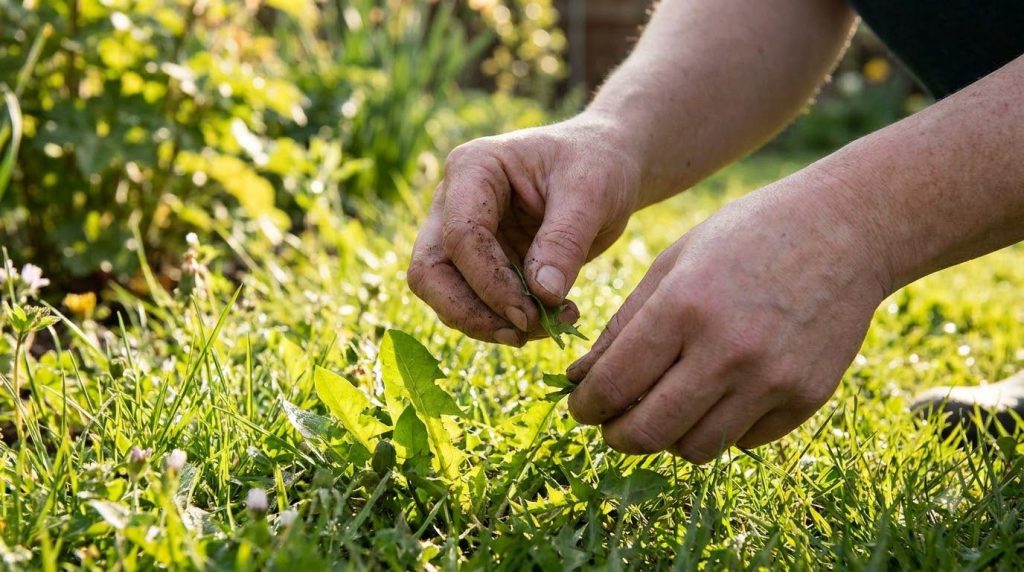
- Harvest/Source Your Leaves: If harvesting wild, choose young, tender leaves from areas free of pesticides, herbicides, and pollution (e.g., away from roadsides). Wash them thoroughly under cool running water. If using dried leaves, skip to step 3.
- Prepare Fresh Leaves: Roughly chop the washed fresh leaves.
- Heat Water: Bring filtered water to a boil.
- Combine: Place the chopped fresh leaves or dried leaves in a mug or teapot. Pour the hot water over them.
- Steep: Cover your mug or teapot to retain volatile compounds. Let steep for 10-15 minutes (for dried) or 5-10 minutes (for fresh). Longer steeping will result in a stronger, more bitter tea.
- Strain: Strain the leaves out using a fine-mesh sieve or tea infuser.
- Enjoy: Your dandelion leaf infusion is ready to drink.
How to Use Your Dandelion Infusion
Drink the warm infusion as a tea. You can add a slice of lemon, a tiny bit of honey, or a few mint leaves to temper the bitterness, though many prefer its natural, earthy flavor. This infusion can be consumed as part of a morning routine or throughout the day.
How Often to Use
For general wellness support, one cup daily is a common practice. Some individuals might consume up to two cups, especially when looking for gentle diuretic support. Listen to your body and start with smaller amounts to assess your tolerance.
How to Buy / How to Choose Ingredients
You have two main options: wild harvesting or purchasing.
- Wild Harvesting: This is ideal if you have access to clean, unsprayed areas. Choose young leaves as they are less bitter. Always be 100% certain of plant identification to avoid mistaken identity with potentially harmful plants.
- Purchasing: You can buy dried dandelion leaf tea from reputable herbal suppliers, health food stores, or online. Look for organic, responsibly sourced products to ensure purity and potency.
Storage
- Fresh Leaves: Store washed fresh leaves in a breathable bag in the refrigerator for up to 3-5 days. For longer storage, you can dry them or lightly blanch and freeze them.
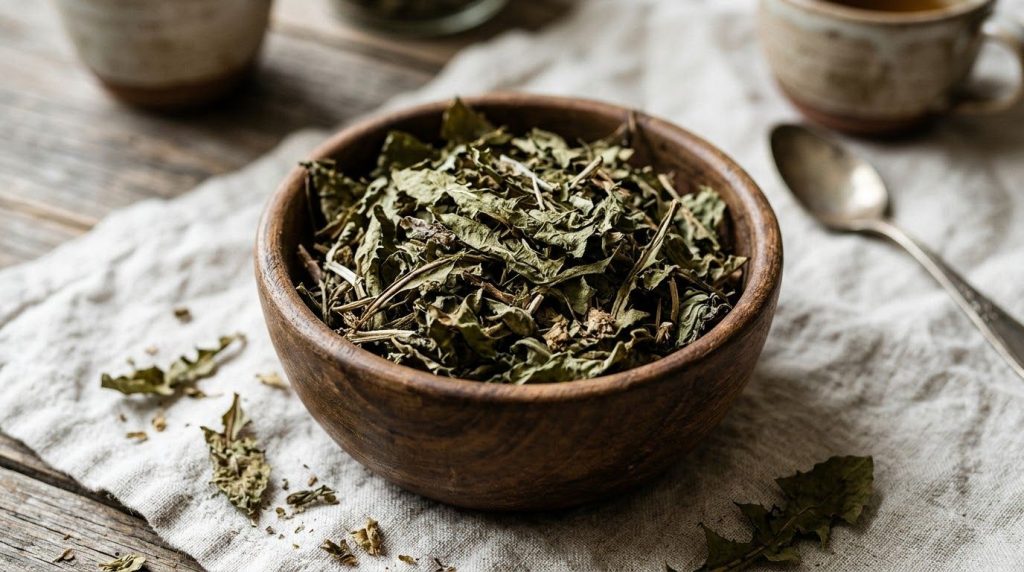
- Dried Leaves: Store dried dandelion leaves in an airtight container in a cool, dark place for up to 6-12 months.
- Prepared Infusion: Drink freshly prepared infusions. If you make extra, refrigerate in an airtight container for no more than 24 hours.
Practical Tips
- Taste Test: If the bitterness is too strong, start with fewer leaves or a shorter steep time.
- Combine with Other Herbs: Dandelion leaves blend well with peppermint, ginger, or lemon balm to create a more palatable tea.
- Culinary Use: Don’t limit yourself to tea! Young dandelion leaves can be added to salads, sautéed like spinach, or blended into smoothies for a nutritious boost.
Common Mistakes
- Harvesting from Contaminated Areas: Picking dandelions from roadsides, parks treated with chemicals, or areas frequented by pets can expose you to harmful pollutants. Always choose pristine locations.
- Misidentification: While dandelions are distinct, always confirm identification if you’re new to wild foraging.
- Boiling Leaves Too Vigorously: While making an infusion, simply pouring hot water over the leaves is sufficient. Boiling the leaves directly for too long can sometimes degrade delicate compounds and increase bitterness.
- Ignoring Bitterness: The bitter taste is part of the benefit, but if it’s truly unpleasant, adjust your preparation rather than forcing yourself to drink something you dislike.
Cautions / Who Should Avoid It
Dandelion leaves are generally safe for most healthy adults when consumed in moderation. However, certain individuals should exercise caution or avoid them:
- Allergies: If you are allergic to ragweed, chrysanthemums, marigolds, or other plants in the Asteraceae family, you might be allergic to dandelion.
- Gallbladder Issues: Dandelion can stimulate bile flow, which might be problematic for individuals with gallstones or blocked bile ducts. Consult a doctor.
- Medication Interactions: Dandelion has diuretic properties, so it might interact with diuretic medications, potentially leading to dehydration or electrolyte imbalance. It may also interact with blood thinners or diabetes medications.
- Pregnancy and Breastfeeding: Limited research exists. It’s best to consult a healthcare professional before use.
Quick Summary: Dandelion Leaf Infusion
- Best Preparation: Hot water infusion (tea).
- Best Use-Case: Daily wellness support, gentle diuretic.
- Storage: Fresh leaves in the fridge for 3-5 days; dried in an airtight container for 6-12 months.
- When to Use: Daily, preferably in the morning or early afternoon.
- What to Avoid: Contaminated harvest sites, misidentification, excessive use if on certain medications.
FAQ
- Can I use fresh or dried dandelion leaves?
Both are effective. Fresh leaves often have a milder taste, while dried leaves offer convenience and longer shelf life. - How long does dandelion leaf infusion last?
It’s best consumed fresh. Refrigerate any leftovers and drink within 24 hours. - Can I add dandelion leaves to smoothies?
Absolutely! Young, tender leaves blend well into green smoothies, adding nutrients and a subtle earthy flavor. - What part of the dandelion plant is best?
While the roots and flowers also have uses, this article focuses on the leaves for their specific nutritional profile and ease of use in infusions. - Is it safe to pick dandelions from my lawn?
Only if you are 100% certain your lawn has not been treated with pesticides, herbicides, or other chemicals, and is free from pet waste. - Will it taste very bitter?
Dandelion leaves naturally have a bitter taste, especially older leaves. Young leaves are milder. You can reduce bitterness by steeping for a shorter time or adding lemon or mint. - How much should I drink per day?
One cup daily is a good starting point for general wellness. Consult a healthcare professional for specific concerns.
Fresh vs. Dried Dandelion Leaves
| Feature | Fresh Dandelion Leaves | Dried Dandelion Leaves |
|---|---|---|
| Availability | Seasonal (spring/fall), wild harvest | Year-round, purchased |
| Flavor | Often milder, slightly grassy | More concentrated, potentially more bitter |
| Potency | Generally considered high | Retains much potency if dried properly |
| Preparation | Wash, chop, steep | Measure, steep |
| Storage | Refrigerate 3-5 days, or dry/freeze | Airtight container, cool/dark, 6-12 months |
| Convenience | Requires fresh sourcing/prep | Ready-to-use |
Next time you see a dandelion, think twice before reaching for the weed killer. With proper harvesting and preparation, these resilient greens can offer a simple, natural boost to your daily routine. Understanding the basics of identification, preparation, and cautious use empowers you to tap into a readily available, often overlooked, natural resource.
You may also like: Read our full guide to herbal teas for wellness
Related remedy: Learn how to make a simple lemon water detox
