Collagen is the most abundant protein in your body, acting as the primary building block for your skin, bones, muscles, tendons, and ligaments. It’s what gives your skin its elasticity and strength, and your joints their resilience. As we age, our natural collagen production declines, leading to visible signs like wrinkles, sagging skin, and joint discomfort.
While collagen supplements are popular, did you know that many delicious and accessible foods can naturally support your body’s collagen synthesis? By incorporating certain high collagen foods and nutrient-rich ingredients into your diet, you can help fortify your body’s natural production, contributing to a youthful glow and robust health from the inside out.
This article will guide you through a list of fantastic foods that are either rich in collagen or provide the essential nutrients your body needs to produce it. Discover which of these powerhouses are already your favorites and how you can easily integrate more of them into your daily meals to unlock a healthier, more vibrant you.
Why Collagen is Your Body’s Best Friend
Before diving into the foods, let’s briefly understand why collagen is so vital. Think of collagen as the ‘glue’ that holds everything together. It’s crucial for:
- Skin Health: Providing structure, elasticity, and hydration, which helps minimize wrinkles and promotes a smooth complexion.
- Joint Function: Supporting the cartilage that cushions your joints, aiding in flexibility and reducing discomfort.
- Bone Strength: Contributing to bone density and resilience.
- Muscle Mass: A component of muscle tissue, playing a role in muscle repair and growth.
- Gut Health: Helping to strengthen the lining of the digestive tract.
By focusing on foods that support collagen, you’re investing in a wide range of essential bodily functions.
Foundational Building Blocks: Animal-Based Collagen Boosters
Certain animal products are excellent sources of collagen itself or provide the specific amino acids (like glycine, proline, and hydroxyproline) that are the primary components of collagen.
 Discover delicious foods that naturally support your body’s collagen production.
Bone Broth
Perhaps the most famous source, bone broth is made by simmering animal bones and connective tissues for an extended period. This process extracts collagen, amino acids, and minerals directly into the broth. Consuming bone broth is like drinking pure collagen, ready for your body to utilize.
- How to Enjoy: Sip it warm on its own, use it as a base for soups and stews, or cook grains like rice or quinoa in it for added flavor and nutrients. Many brands offer high-quality bone broth for gut health.
Chicken
Especially chicken skin, cartilage, and other connective tissues, are rich in dietary collagen. Chicken also provides significant amounts of proline and glycine, two key amino acids required for collagen synthesis.
- How to Enjoy: Include chicken in your meals regularly. Don’t shy away from eating the skin (in moderation) or making stock from leftover chicken bones.
Fish
Similar to chicken, the skin and bones of fish are particularly rich in collagen. Fish, especially fatty fish, also offers omega-3 fatty acids, which are beneficial for overall skin health. Fish collagen is known for its high bioavailability, meaning it’s easily absorbed by the body.
- How to Enjoy: Incorporate fish like salmon, mackerel, and cod into your diet a few times a week. Consider eating the skin if prepared well, or choose canned fish with edible bones (like sardines) for an extra boost.
Egg Whites
Egg whites are packed with proline, an amino acid vital for collagen production. While they don’t contain collagen themselves, they provide a crucial building block.
- How to Enjoy: Enjoy egg whites in omelets, scrambles, or as a high-protein addition to your breakfast. They are a staple in many high protein breakfast ideas.
The Power of Produce: Vitamin-Rich Collagen Support
Many fruits and vegetables are not sources of collagen themselves, but they are crucial for providing the vitamins and minerals (like Vitamin C, zinc, and copper) that act as cofactors in the complex process of collagen synthesis within your body.
Citrus Fruits
Oranges, grapefruits, lemons, and limes are famously rich in Vitamin C, an absolute must for collagen production. Without enough Vitamin C, your body cannot properly synthesize collagen.
- How to Enjoy: Start your day with a glass of lemon water, add citrus segments to salads, or enjoy them as a refreshing snack.
Berries
Strawberries, blueberries, raspberries, and blackberries are another excellent source of Vitamin C and antioxidants. Antioxidants help protect existing collagen from damage caused by free radicals.
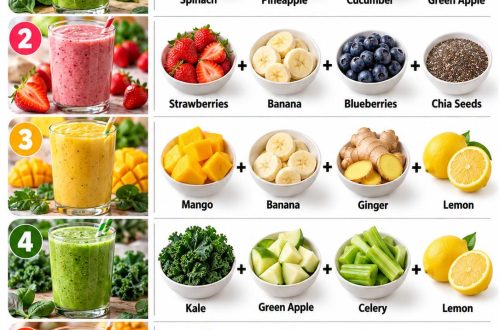
- How to Enjoy: Add berries to your yogurt, oatmeal, smoothies, or enjoy them fresh as a healthy snack.
Red Bell Peppers
These vibrant vegetables are surprisingly high in Vitamin C, often containing more than an orange! They also provide antioxidants that support overall skin health.
- How to Enjoy: Slice them raw for a crunchy snack with hummus, add them to stir-fries, or roast them as a side dish.
Leafy Greens
Spinach, kale, Swiss chard, and other leafy greens are packed with Vitamin C, Vitamin A, and various antioxidants. They also contain chlorophyll, which some research suggests may support skin health.
- How to Enjoy: Blend them into smoothies, add generous portions to salads, or sauté them as a flavorful side.
Avocado
Avocado is rich in healthy fats, which are essential for skin hydration and elasticity. It also contains Vitamin C and Vitamin E, powerful antioxidants that help protect skin cells from oxidative damage, thereby supporting collagen’s integrity.
- How to Enjoy: Add sliced avocado to toast, salads, sandwiches, or make a creamy guacamole.
Hidden Gems: Plant-Based Cofactors for Collagen Synthesis
These plant-based foods offer unique nutrients that play supporting roles in the body’s ability to produce and maintain collagen.
Garlic
Garlic is more than just a flavor enhancer; it contains sulfur compounds, which are crucial for collagen formation. It also provides lipoic acid and taurine, both of which help rebuild damaged collagen fibers.
- How to Enjoy: Incorporate fresh garlic into your cooking daily, in sauces, stir-fries, and roasted vegetables.
Nuts & Seeds
Many nuts and seeds are rich in zinc and copper, two trace minerals that are vital cofactors for collagen production. Zinc helps in collagen synthesis, while copper activates an enzyme needed to mature collagen.
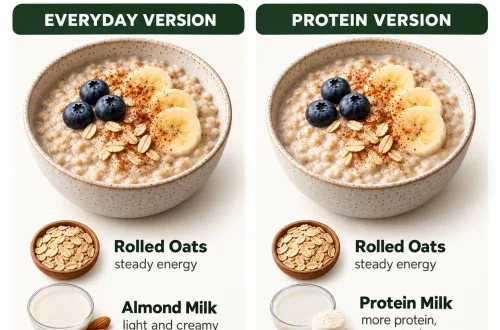
- How to Enjoy: Snack on almonds, cashews, pumpkin seeds, or sunflower seeds. Add chia seeds (a great source of omega-3s and fiber) to healthy breakfast ideas like overnight oats.
Legumes (Kidney Beans, Chickpeas, & Lentils)
Legumes are excellent plant-based protein sources, providing many of the amino acids needed for collagen synthesis. They are also good sources of zinc and copper.
- How to Enjoy: Add kidney beans to chili, chickpeas to salads or hummus, and lentils to soups or curries. They are versatile additions to healthy meal prep ideas.
Tips for Integrating Collagen-Boosting Foods into Your Diet
Making these foods a regular part of your diet doesn’t have to be complicated. Here are some simple strategies:
- Start Your Day Strong: Enjoy a smoothie with berries and leafy greens, or an omelet with egg whites and bell peppers.
- Snack Smart: Opt for citrus fruits, berries, or a handful of nuts and seeds.
- Enhance Your Meals: Use bone broth as a soup base, add garlic to most savory dishes, and toss legumes into salads.
- Meal Prep: Prepare larger batches of chicken or fish, roast vegetables like bell peppers, and cook a big pot of lentils or chickpeas for easy additions throughout the week.
Frequently Asked Questions About Collagen and Diet
Can I get enough collagen from diet alone?
Yes, by consistently eating a varied diet rich in both direct collagen sources (like bone broth, chicken, fish) and foods providing collagen-supporting nutrients (like Vitamin C, zinc, copper, and amino acids), your body can effectively produce and maintain its collagen levels.
How long does it take to see results from a collagen-rich diet?
The timeline can vary depending on individual factors, diet consistency, and overall lifestyle. However, some people may notice improvements in skin hydration and texture within a few weeks to a few months of consistent dietary changes.
Are plant-based diets enough to support collagen production?
While plant-based foods don’t contain collagen directly, a well-planned plant-based diet can provide all the necessary building blocks and cofactors for your body to synthesize collagen. Focus on high-protein plant sources (legumes, nuts, seeds) and abundant Vitamin C-rich fruits and vegetables.