Unlock the Power of Chia: Are You Making These Common Mistakes?
Chia seeds are celebrated as a tiny superfood, packed with fiber, omega-3 fatty acids, protein, and various micronutrients. Many people add them to their diet hoping for a boost in energy, improved digestion, or help with weight management. However, if you’ve been incorporating chia seeds into your meals but aren’t seeing the benefits you expected, you’re not alone. It might be due to a few common misconceptions or preparation mistakes. Let’s dive into why your chia seeds might not be working as hard as you’d like, and how you can fix it to unlock their full potential.
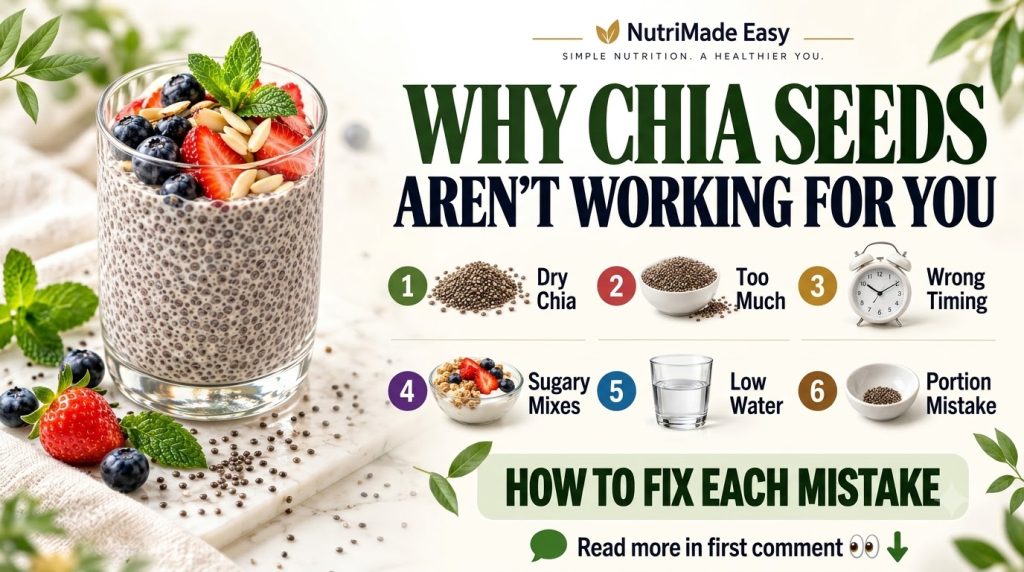
Mistake 1: Not Soaking Them Properly (or Enough)
One of the most common reasons chia seeds don’t deliver expected benefits, especially for digestion, is improper soaking. Dry chia seeds, while edible, are designed to absorb liquid and form a gel. This gel-like consistency is what makes them excellent for satiety and digestive health. If you’re simply sprinkling them dry over your food and not consuming enough liquids, they may not expand fully.
How to Fix It:
- Aim for the Right Ratio: A good starting point is a 1:4 ratio of chia seeds to liquid (e.g., 1 tablespoon chia seeds to 4 tablespoons of water, milk, or juice).
- Give Them Time: Let them sit for at least 15-30 minutes, or even better, overnight in the refrigerator. This allows them to fully absorb the liquid and form the characteristic gel.
- Check Consistency: The mixture should be thick and gelatinous, not runny. If it’s too thin, add a few more seeds; if too thick, add more liquid.
Mistake 2: Not Drinking Enough Water Alongside
Even if you soak your chia seeds, their incredible absorbency means they still draw a lot of water from your body. If you’re eating chia seeds, especially dry or with minimal soaking, and not increasing your overall fluid intake, they can contribute to dehydration or even cause constipation rather than relieve it.
How to Fix It:
- Hydrate Throughout the Day: Make an effort to drink plenty of water, especially on days you consume chia seeds.
- Combine with Hydrating Foods: Enjoy your chia seeds with fruits and vegetables that also have high water content.
Mistake 3: Over-Consuming (Too Much Too Soon)
While chia seeds are healthy, consuming too much, especially when your body isn’t used to it, can lead to digestive discomfort. Their high fiber content, while beneficial, can cause bloating, gas, or diarrhea if introduced too rapidly or in excessive amounts.
How to Fix It:
- Start Small: Begin with 1 teaspoon or 1 tablespoon of chia seeds per day.
- Gradually Increase: Over a few weeks, slowly increase your intake as your body adjusts, paying attention to how you feel. Most recommendations suggest 1-2 tablespoons per day for adults.
Mistake 4: Not Being Consistent
Like many healthy foods, the benefits of chia seeds are often cumulative and become more apparent with consistent consumption. Eating them once in a while might offer some nutritional boost, but it’s unlikely to bring about significant, lasting changes.
How to Fix It:
- Make it a Habit: Incorporate chia seeds into your daily routine. Add them to your morning oatmeal, yogurt, smoothies, or make overnight chia pudding.
- Experiment with Recipes: Find ways to enjoy them regularly so it doesn’t feel like a chore.
Mistake 5: Expecting a Miracle Cure
Chia seeds are a fantastic addition to a healthy diet, but they are not a magic bullet. They can support weight management, digestion, and provide essential nutrients, but they work best as part of a balanced lifestyle that includes a varied diet, regular exercise, and adequate sleep.
How to Fix It:
- Adopt a Holistic Approach: View chia seeds as one component of your overall wellness journey.
- Focus on Whole Foods: Pair them with other nutrient-dense foods to maximize health benefits.
Mistake 6: Buying the Wrong Type or Storing Incorrectly
The quality and freshness of your chia seeds matter. Low-quality seeds or those that have been stored improperly can lose their nutritional value or even go rancid, making them less effective and potentially unappetizing.
How to Fix It:
- Choose Quality: Opt for organic, non-GMO chia seeds from reputable brands.
- Store Properly: Keep chia seeds in an airtight container in a cool, dark place. The refrigerator can extend their shelf life, especially after opening.
Conclusion
Chia seeds are indeed a powerful superfood, capable of contributing significantly to your health and well-being. By understanding these common pitfalls and making a few simple adjustments to how you prepare and consume them, you can start to unlock their full spectrum of benefits. From proper soaking to consistent intake and pairing with a hydrating lifestyle, these tweaks can help you make the most of this tiny, mighty seed. Which mistake have you been making? Share in the comments and take the first step towards a healthier you!