Delightful Homemade Mango Cake: Your Easy Recipe for a Sweet Treat
There’s nothing quite like the taste of a truly delightful homemade mango cake to bring a touch of sunshine to your day. This recipe delivers an incredibly soft, moist, and naturally sweet cake that’s bursting with tropical flavor. Forget complicated desserts; this easy mango cake is simple to prepare, yet impressive enough for any gathering, from casual brunches to special celebrations.
The star of the show, fresh mango, infuses every bite with its vibrant essence, creating a tender crumb and a subtly sweet profile that avoids being overly sugary. It’s a perfect treat for those who appreciate natural fruit flavors and a cake that truly melts in your mouth.
Why You’ll Love This Delightful Homemade Mango Cake
- Naturally Sweet & Flavorful: Fresh mango provides most of the sweetness, resulting in a cake that tastes naturally delicious and not overwhelmingly sugary.
- Incredibly Moist Texture: The mango puree contributes to an exceptionally moist and tender crumb that stays fresh for days.
- Easy to Make: With straightforward instructions and common ingredients, this mango cake recipe is perfect for bakers of all skill levels.
- Versatile for Any Occasion: Elegant enough for a special event, yet simple enough for a weeknight dessert.
- Customizable: Easily adapt with your favorite frosting or toppings to make it uniquely yours.
- Pure Tropical Indulgence: A true taste of the tropics that will transport your senses with every bite.
Ingredients for Your Mango Cake
For the Cake:
- 2 cups (240 g) all-purpose flour
- 1 tbsp (15 g) baking powder
- ½ tsp (2.5 g) salt
- ¾ cup (170 g) unsalted butter, softened to room temperature
- 1 ½ cups (300 g) granulated sugar
- 3 large eggs, at room temperature
- 1 tsp (5 ml) vanilla extract
- ½ cup (120 ml) milk, at room temperature
- 1 ½ cups (360 g) fresh mango puree (from about 2-3 ripe large mangoes)
For Garnish (Optional):
- Fresh mango slices or diced mango
- A dusting of powdered sugar
Ingredient Notes
- Ripe Mangoes: The key to a flavorful cake! Choose mangoes that are soft to the touch and smell sweet. Ataulfo or Honey mangoes are excellent for their rich flavor and smooth texture for pureeing.
- Room Temperature Ingredients: Ensure your butter, eggs, and milk are at room temperature. This helps them emulsify better, creating a smooth, consistent batter and a tender cake.
- All-Purpose Flour: Sifting the flour with baking powder and salt can help prevent lumps and ensure even distribution, leading to a lighter cake.
Equipment You’ll Need
- 9-inch round cake pan (or two 8-inch pans for a layered cake)
- Parchment paper
- Mixing bowls (large and medium)
- Electric mixer (stand or hand-held)
- Whisk
- Rubber spatula
- Measuring cups and spoons
- Sieve (optional, for sifting flour)
How to Make Delightful Homemade Mango Cake
- Prepare Your Pan: Preheat your oven to 350°F (175°C). Grease and flour a 9-inch round cake pan, or line the bottom with parchment paper and grease the sides. If making a layered cake, prepare two 8-inch pans.
- Combine Dry Ingredients: In a medium bowl, whisk together the all-purpose flour, baking powder, and salt. Set aside.
- Cream Butter and Sugar: In a large bowl, using an electric mixer, cream together the softened unsalted butter and granulated sugar on medium-high speed until light and fluffy, about 2-3 minutes.
- Add Eggs and Vanilla: Beat in the eggs one at a time, ensuring each egg is fully incorporated before adding the next. Scrape down the sides of the bowl as needed. Stir in the vanilla extract.
- Alternate Dry and Wet: Gradually add the dry ingredient mixture to the wet ingredients, alternating with the milk. Begin and end with the dry ingredients. Mix on low speed just until combined, being careful not to overmix.
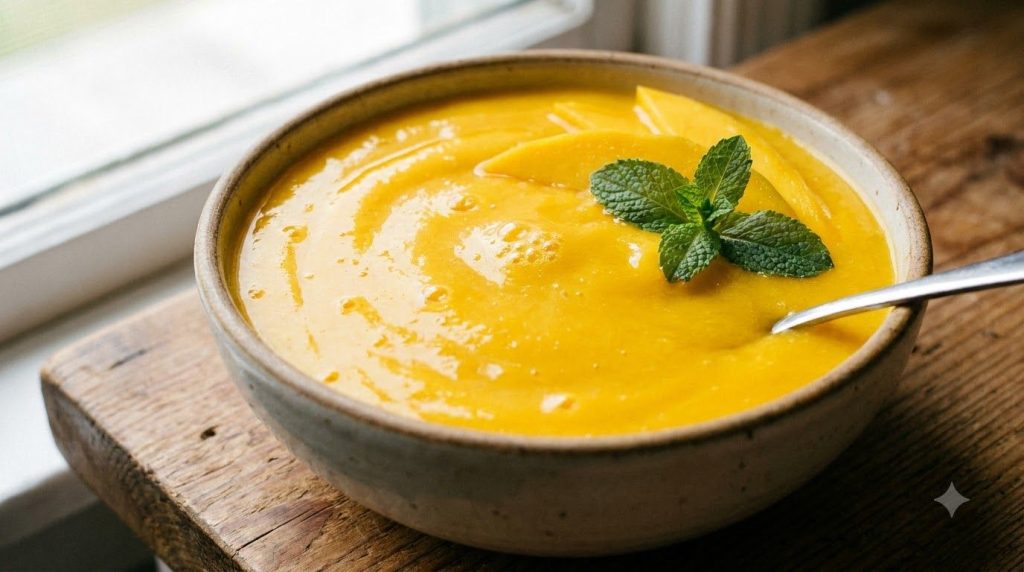
- Fold in Mango Puree: Gently fold in the fresh mango puree with a rubber spatula until just incorporated. The batter should be thick and fragrant with mango.
- Bake the Cake: Pour the batter evenly into the prepared cake pan(s). Bake for approximately 30-35 minutes for a 9-inch single layer, or 25-30 minutes for two 8-inch layers. The cake is done when a wooden skewer or toothpick inserted into the center comes out clean.
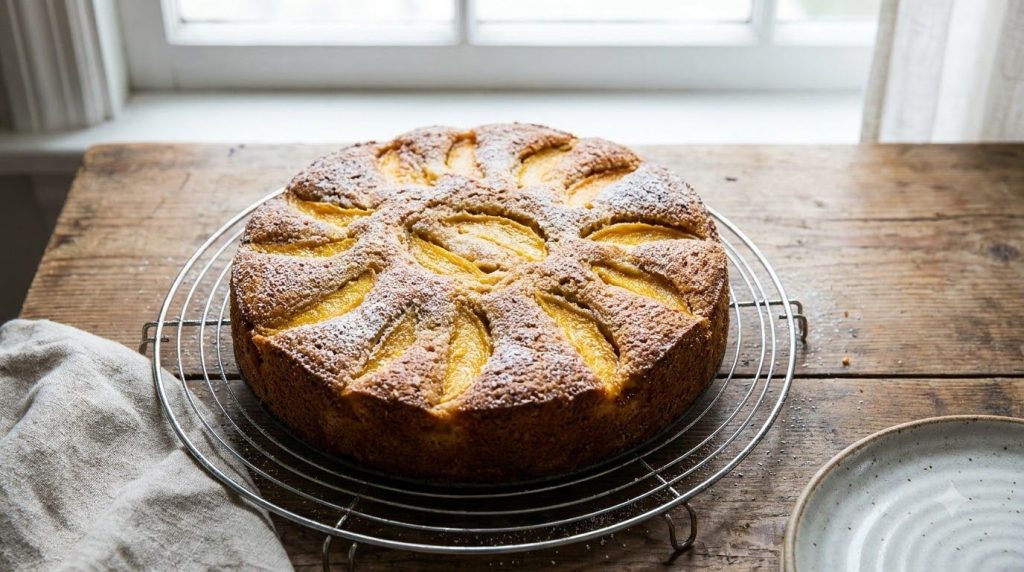
- Cool Completely: Let the cake cool in the pan on a wire rack for 10-15 minutes before inverting it onto the rack to cool completely. This prevents the cake from sticking and helps it maintain its moist texture.
Pro Tips for the Best Results
- Don’t Overmix: Overmixing the batter develops the gluten in the flour, which can lead to a tough, dry cake. Mix until just combined.
- Use Fresh, Ripe Mangoes: The flavor of your cake heavily relies on the quality of your mangoes. Ensure they are sweet and fully ripe for the best puree.
- Grease and Flour Your Pan Thoroughly: Taking the time to properly prepare your cake pan (greasing and flouring or using parchment paper) will ensure your beautiful cake releases easily.
- Even Baking: For even baking, rotate your cake halfway through the baking time, especially if your oven has hot spots.
- Test for Doneness: Always rely on the toothpick test. If it comes out with moist crumbs, it’s perfect. If wet batter clings to it, bake a little longer.
Common Mistakes to Avoid
- Using Cold Ingredients: Cold butter, eggs, or milk can cause the batter to curdle and prevent proper emulsification, leading to a denser cake.
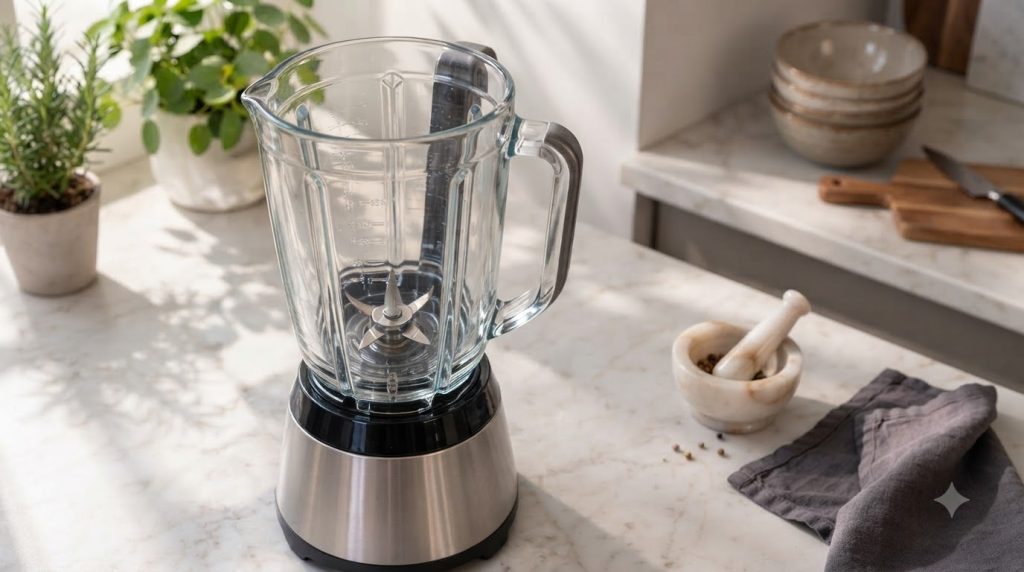
- Not Pureeing Mango Smoothly: Lumpy mango puree can result in an inconsistent texture in your cake. A blender or food processor works best for a smooth puree.
- Opening the Oven Door Too Early: Resist the temptation to open the oven door during the first 20 minutes of baking, as this can cause the cake to collapse.
- Baking at the Wrong Temperature: An oven that’s too hot can burn the outside while leaving the inside raw. An oven that’s too cool can result in a dry, dense cake. Use an oven thermometer if you suspect your oven’s temperature is inaccurate.
Variations & Substitutions
- Cream Cheese Frosting: A tangy cream cheese frosting pairs beautifully with the sweetness of mango. Beat 8 oz (226g) softened cream cheese with ½ cup (113g) softened butter, 4 cups (480g) powdered sugar, and 1 tsp vanilla extract until smooth.
- Whipped Cream Topping: For a lighter option, serve with freshly whipped cream. You can even fold a little extra mango puree into the whipped cream for more mango flavor!
- Coconut Flavor: Add ¼ cup (20g) shredded coconut to the batter for a tropical twist, or sprinkle toasted coconut flakes on top.
- Lime or Lemon Zest: A teaspoon of fresh lime or lemon zest in the batter or frosting can brighten the flavors and add a zesty kick.
- Gluten-Free: Substitute the all-purpose flour with a 1:1 gluten-free baking blend that contains xanthan gum.
Serving Suggestions
This delightful homemade mango cake is wonderful on its own, but a few simple additions can elevate it further. Serve slices with extra fresh mango chunks or a light dusting of powdered sugar. A dollop of unsweetened whipped cream or a scoop of vanilla ice cream makes for an extra decadent dessert. For a refreshing pairing, serve with iced tea or a simple sparkling water with a squeeze of lime.
Storage & Reheating
- Refrigerator: Store leftover mango cake in an airtight container in the refrigerator for up to 3-4 days. The moisture from the mango helps keep it fresh.
- Freezer: For longer storage, wrap individual slices or the entire cooled cake tightly in plastic wrap, then in aluminum foil. Freeze for up to 2-3 months. Thaw overnight in the refrigerator before serving.
- Reheating: If desired, you can gently warm individual slices in the microwave for 10-15 seconds to enhance their moistness, especially if serving with ice cream.
FAQ
Can I use frozen mango for this recipe?
Yes, you can use frozen mango. Thaw it completely and drain any excess liquid before pureeing to avoid adding too much moisture to the cake batter.
How can I tell if my mangoes are ripe?
Ripe mangoes will yield slightly to gentle pressure and have a fragrant, sweet aroma near the stem. The color can vary by variety, so touch and smell are the best indicators.
Why did my cake turn out dry?
A dry cake is often caused by overmixing the batter or overbaking. Ensure you mix just until the ingredients are combined and test for doneness promptly to avoid drying it out.
Can I make this cake ahead of time?
Absolutely! This mango cake holds up beautifully. You can bake it a day in advance and store it at room temperature (covered) or in the refrigerator. The flavors often deepen overnight.
What if I don’t have an electric mixer?
You can still make this cake! Use a whisk for the dry ingredients and a sturdy whisk or wooden spoon for creaming the butter and sugar and mixing the batter. It will just require a bit more arm strength.
Can I add fresh mango chunks to the batter?
You can, but be mindful not to add too many large chunks, as they can sink to the bottom. If you do, toss them lightly in a tablespoon of flour before folding into the batter to help them suspend.
Recipe Card
Delightful Homemade Mango Cake
A soft, moist, and naturally sweet mango cake bursting with tropical flavor. An easy recipe perfect for any occasion!
- Prep Time: 25 minutes
- Cook Time: 30-35 minutes
- Total Time: 55-60 minutes
- Servings: 8-12 slices
- Course: Dessert
- Cuisine: American, Tropical
- Cooking Method: Baking
Ingredients:
For the Cake:
- 2 cups (240 g) all-purpose flour
- 1 tbsp (15 g) baking powder
- ½ tsp (2.5 g) salt
- ¾ cup (170 g) unsalted butter, softened to room temperature
- 1 ½ cups (300 g) granulated sugar
- 3 large eggs, at room temperature
- 1 tsp (5 ml) vanilla extract
- ½ cup (120 ml) milk, at room temperature
- 1 ½ cups (360 g) fresh mango puree (from about 2-3 ripe large mangoes)
For Garnish (Optional):
- Fresh mango slices or diced mango
- A dusting of powdered sugar
Instructions:
- Prepare Your Pan: Preheat your oven to 350°F (175°C). Grease and flour a 9-inch round cake pan, or line the bottom with parchment paper and grease the sides.
- Combine Dry Ingredients: In a medium bowl, whisk together the all-purpose flour, baking powder, and salt. Set aside.
- Cream Butter and Sugar: In a large bowl, using an electric mixer, cream together the softened unsalted butter and granulated sugar on medium-high speed until light and fluffy, about 2-3 minutes.
- Add Eggs and Vanilla: Beat in the eggs one at a time, ensuring each egg is fully incorporated before adding the next. Scrape down the sides of the bowl as needed. Stir in the vanilla extract.
- Alternate Dry and Wet: Gradually add the dry ingredient mixture to the wet ingredients, alternating with the milk. Begin and end with the dry ingredients. Mix on low speed just until combined, being careful not to overmix.
- Fold in Mango Puree: Gently fold in the fresh mango puree with a rubber spatula until just incorporated.
- Bake the Cake: Pour the batter evenly into the prepared cake pan. Bake for approximately 30-35 minutes. The cake is done when a wooden skewer or toothpick inserted into the center comes out clean.
- Cool Completely: Let the cake cool in the pan on a wire rack for 10-15 minutes before inverting it onto the rack to cool completely.
Notes:
For best results, ensure all cold ingredients (butter, eggs, milk) are at room temperature before you begin mixing. This helps create a smooth batter and a more tender cake.
Storage:
Store in an airtight container in the refrigerator for 3-4 days, or freeze wrapped tightly for up to 2-3 months.
Nutrition:
Nutrition information is an estimate and may vary depending on the ingredients and brands used.