Are you dreaming of fresh, juicy tomatoes from your own garden? Starting tomato seeds can seem daunting, but what if we told you there’s a super simple, eco-friendly, and surprisingly effective way to get those seedlings off to a strong start, right from your kitchen? Get ready to transform your used egg cartons and eggshells into the ultimate nursery for your future tomato plants!
This fantastic DIY hack is perfect for any gardener, from beginners to seasoned pros. It’s not just about repurposing; it’s about giving your tomato seedlings the best possible foundation for robust growth, packed with natural nutrients. Let’s dig in!
Why Egg Cartons and Eggshells are Perfect for Seed Starting
Using egg cartons and eggshells for your tomato seedlings offers a bouquet of benefits:
- Eco-Friendly & Sustainable: You’re giving waste materials a new life, reducing landfill burden.
- Natural Nutrient Boost: Eggshells are a fantastic source of calcium, a vital nutrient for preventing common issues like blossom end rot in tomatoes later on. They slowly release minerals as they decompose.
- Perfectly Portioned: Each egg carton compartment provides an ideal individual space for a single seed, minimizing root disturbance when transplanting.
- Biodegradable: Cardboard egg cartons can often be planted directly into the ground, further reducing transplant shock for your young plants.
- Cost-Effective: You’re using materials you already have, saving money on expensive seed-starting kits.
Materials You’ll Need
Gathering your supplies is easy:
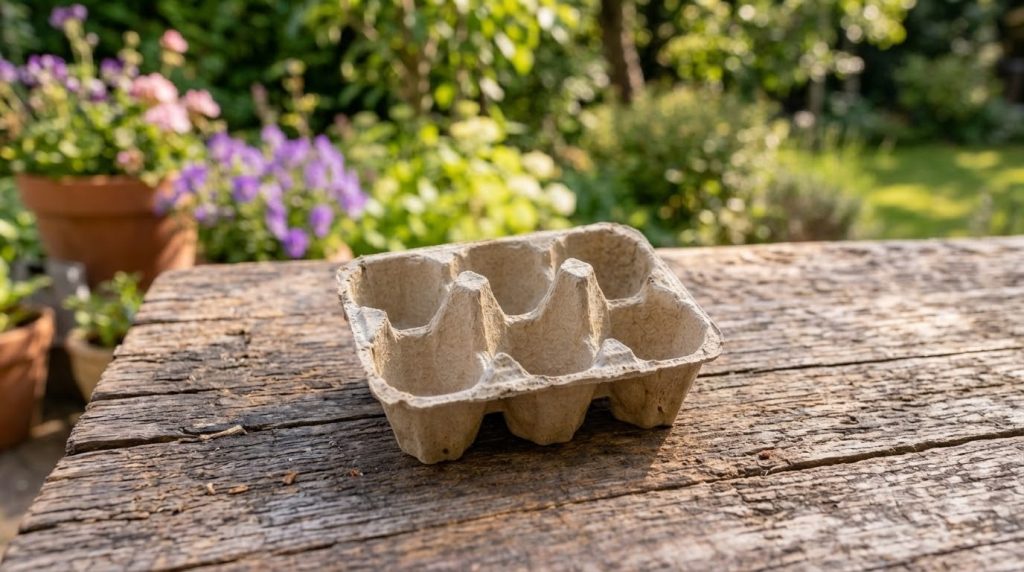
- Empty cardboard egg cartons (not styrofoam)
- Washed and dried eggshells
- Quality seed-starting mix
- Tomato seeds (cherry tomatoes are a great choice for this method!)
- A small spray bottle for watering
- Optional: A tray or shallow dish to place the egg carton in
Step-by-Step Guide: Your DIY Tomato Nursery
1. Prepare Your Egg Cartons
First, ensure your cardboard egg cartons are clean and dry. Use a sharp object like a nail or a small drill bit to poke a drainage hole in the bottom of each compartment. This is crucial to prevent waterlogging and root rot. If you plan to transplant the entire carton later, make sure it’s compostable cardboard.
2. Crush Eggshells for Fertilizer
Wash your used eggshells thoroughly and let them dry completely. Once dry, crush them into small pieces. You can use your hands, a mortar and pestle, or even a food processor for a finer powder. The smaller the pieces, the quicker they will break down and release nutrients into the soil.
3. Plant Your Tomato Seeds
Fill each compartment of the egg carton with your quality seed-starting mix, leaving about half an inch of space from the top. Sprinkle a pinch of your crushed eggshells into each compartment, mixing it lightly with the top layer of soil. Then, plant 1-2 tomato seeds per compartment, following the depth recommendations on your seed packet (usually about 1/4 inch deep). Lightly cover the seeds with more seed-starting mix.
4. Care for Your Seedlings
After planting, gently mist the soil with water from a spray bottle. Keep the soil consistently moist but not soggy. Place your egg carton in a warm spot that receives plenty of sunlight, or under grow lights. A south-facing window is often ideal. Once seedlings emerge and grow a set of true leaves, thin them to one strong seedling per compartment by snipping the weaker one at the soil line.
5. Transplanting Your Thriving Seedlings
When your tomato seedlings are about 4-6 inches tall and have developed several sets of true leaves, they’ll be ready for transplanting. If you used a biodegradable cardboard carton, you can carefully cut out each compartment and plant the entire seedling, carton and all, directly into a larger pot or your garden bed. The cardboard will break down, and the roots will grow through it. If your carton isn’t biodegradable, gently remove the seedling with its root ball intact.
Tips for Success with Your Egg Carton Tomatoes
- Location, Location, Location: Tomatoes love sun! Ensure your seedlings get at least 6-8 hours of direct sunlight per day, or use supplemental grow lights.
- Water Wisely: Always check the soil moisture before watering. Stick your finger about an inch deep; if it feels dry, it’s time to water. Overwatering is a common killer of seedlings.
- Hardening Off: Before transplanting outdoors, gradually acclimate your seedlings to external conditions over 7-10 days. Start by placing them outside in a shaded, protected area for a few hours, increasing exposure to sun and wind each day.
- Patience is Key: Seed germination times vary. Don’t be discouraged if you don’t see sprouts immediately.
Troubleshooting Common Seedling Issues
- Leggy Seedlings: If your seedlings are tall and spindly, they’re not getting enough light. Move them closer to a light source or add grow lights.
- Damping Off: This fungal disease causes seedlings to wilt and collapse at the soil line. It’s often due to overwatering or poor air circulation. Ensure good drainage, proper watering, and consider a small fan for air movement.
- Yellowing Leaves: Can indicate a lack of nutrients (though eggshells help!), overwatering, or sometimes too much light. Assess your watering schedule and light exposure.
Harvesting the Fruits of Your Labor
Imagine picking your first homegrown cherry tomato, knowing you started it from a simple egg carton and a few eggshells. This method is incredibly rewarding and a fantastic way to engage with sustainable gardening practices. It’s a testament to how simple household items can be transformed into powerful tools for growing fresh, healthy food.
So, the next time you finish a carton of eggs, don’t throw it away! Save those shells and cartons, and get ready to embark on an exciting gardening adventure. Happy planting!