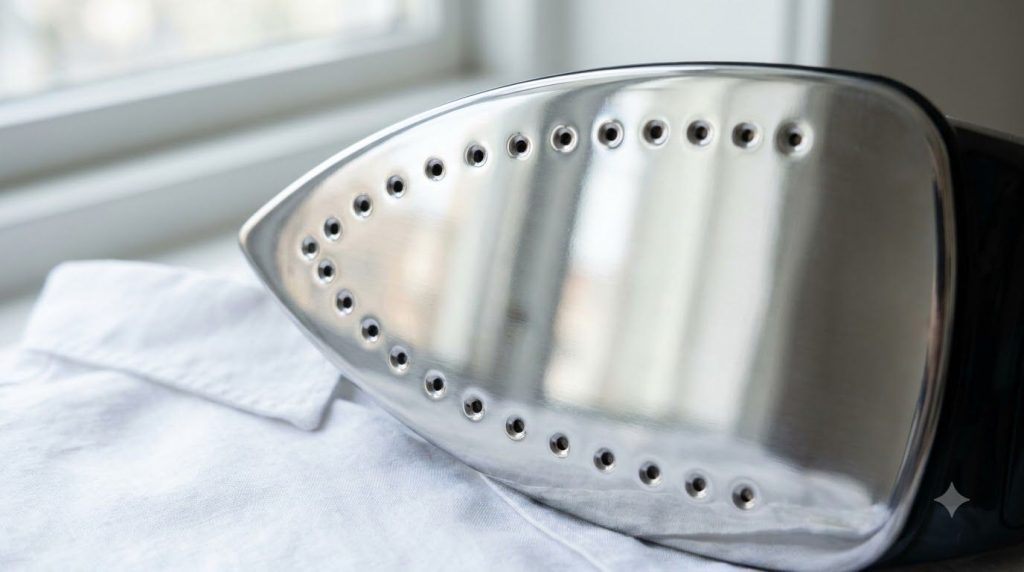
A burnt iron soleplate is a common household nuisance. Whether it’s from accidentally ironing a synthetic fabric too hot or just a buildup of starch and grime over time, that sticky, dark residue can transfer to your clothes and make ironing a frustrating chore. Before you consider replacing your trusty iron, there’s a surprisingly simple and effective DIY solution using ingredients you likely already have in your pantry.
This method focuses on gently lifting that stubborn gunk, helping your iron glide smoothly again and making your laundry routine much easier. It’s a practical, budget-friendly way to extend the life of your appliance.
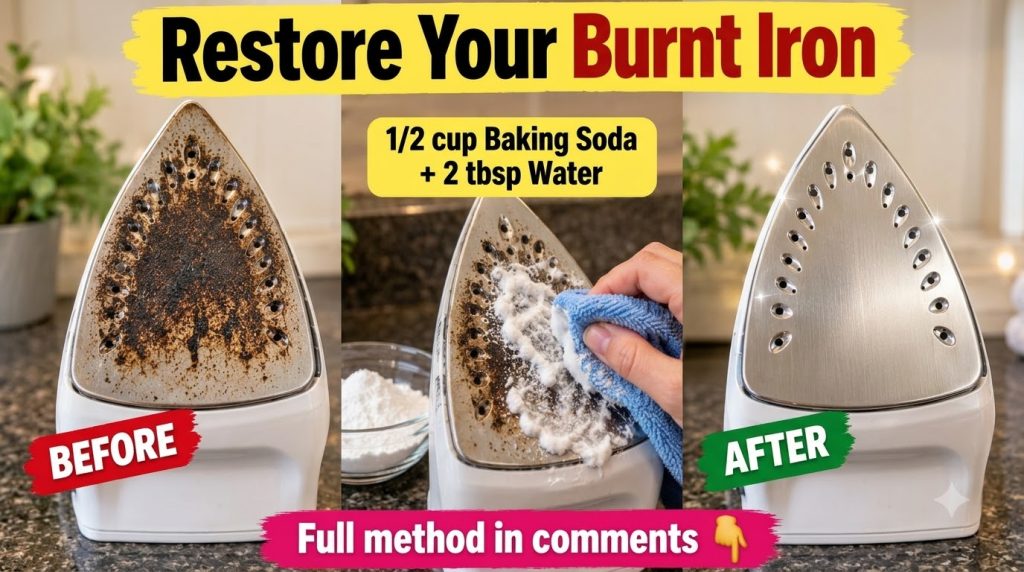
What You’ll Need
- 2 tablespoons baking soda
- 1 tablespoon water (or more, as needed)
- Small bowl for mixing
- Soft, clean cloth or sponge
- Dry cloth for wiping
Why This DIY Can Be Useful
The star ingredient here is baking soda, a mild abrasive that’s also slightly alkaline. When mixed with water, it forms a paste that can gently scrub away burnt-on residue without scratching the delicate surface of your iron’s soleplate. Its fine particles work to loosen and lift stubborn stains and scorched fabric fibers, allowing them to be wiped away easily. This makes it a fantastic, non-toxic alternative to harsh chemical cleaners that could damage your iron or leave behind unwanted residues.
How to Make It
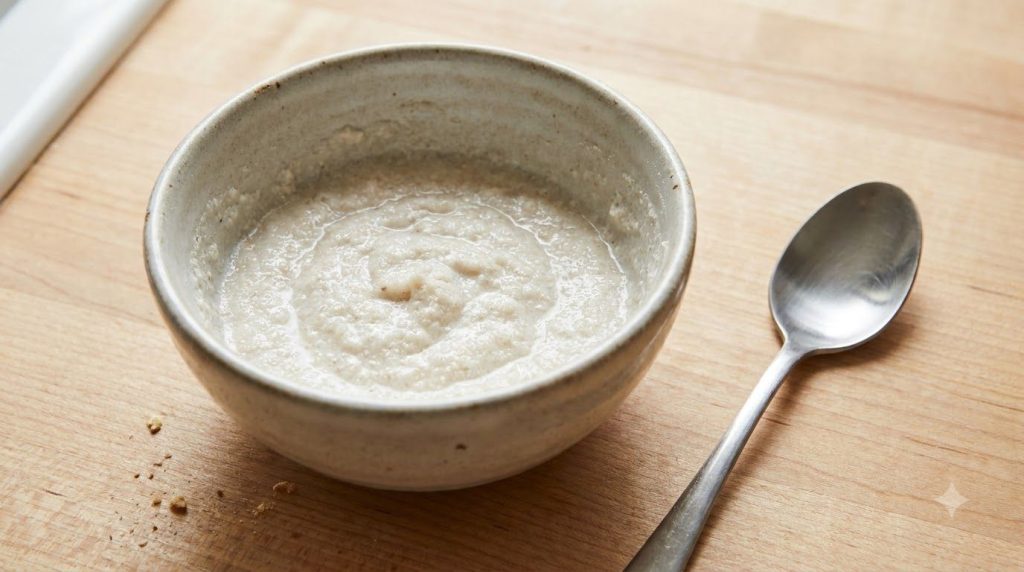
- In your small bowl, combine 2 tablespoons of baking soda with 1 tablespoon of water.
- Stir well to create a thick paste. The consistency should be similar to toothpaste. If it’s too runny, add a tiny bit more baking soda. If it’s too thick, add a few drops more water until you achieve the right consistency.
How to Use It
- Ensure the Iron is Cold and Unplugged: This is crucial for safety. Never clean a hot or plugged-in iron.
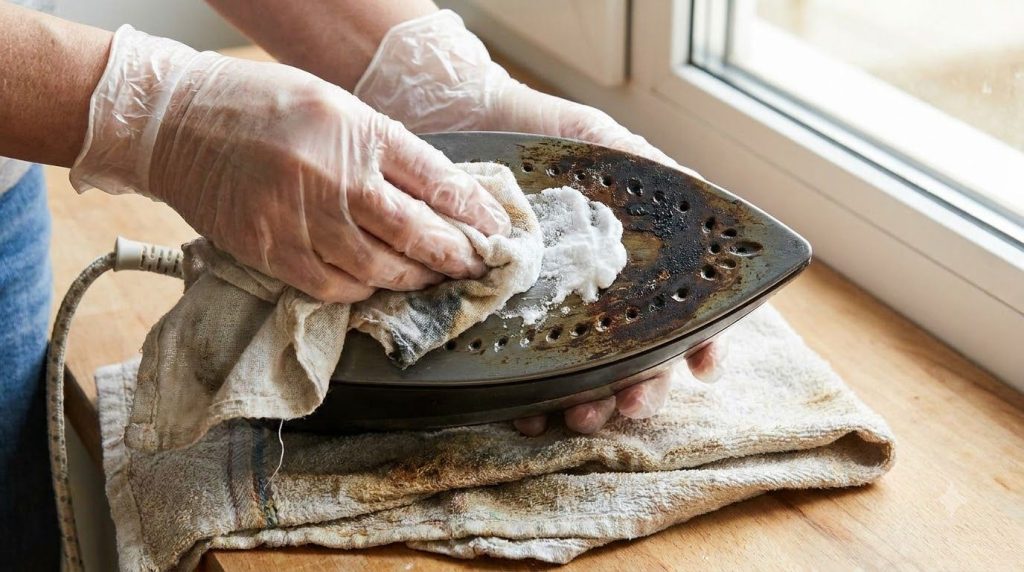
- Apply the Paste: Using your soft cloth or sponge, apply a generous amount of the baking soda paste directly onto the burnt and dirty areas of the iron’s soleplate.
- Gentle Scrubbing: Gently rub the paste over the soleplate in small circular motions. Pay extra attention to the heavily burnt spots. You might need to apply a bit more pressure on stubborn areas, but avoid abrasive scrubbing pads that could scratch the surface.
- Clean the Steam Holes: For irons with steam holes, use a cotton swab dipped in the paste to clean out any residue that might be clogging them.
- Let it Sit (Optional): For very tough stains, let the paste sit on the soleplate for 5-10 minutes to allow it to work its magic.
- Wipe Clean: Using a clean, damp cloth, thoroughly wipe off all the baking soda paste from the soleplate. Make sure no residue remains, especially in the steam holes.
- Final Wipe: Finish by wiping the soleplate with a dry cloth to ensure it’s completely dry.
What to Expect
You should see a significant improvement in the appearance of your iron’s soleplate. Most of the dark, burnt residue should be gone, revealing the cleaner metal underneath. Your iron will glide more smoothly over fabrics, preventing snags and stains on your clean clothes. While extremely deep or old burns might not disappear entirely, this method effectively removes the problematic surface grime that affects performance.
Helpful Tips
- Regular Maintenance: To prevent future buildup, wipe down your iron’s soleplate with a damp cloth after each use once it’s completely cooled.
- Avoid Starch Buildup: If you use spray starch, clean your iron more frequently, as starch can contribute to sticky residue.
- Test on an Old Cloth: After cleaning, plug in your iron and heat it up. Iron an old, clean towel or scrap piece of fabric to ensure no residual baking soda or gunk transfers before using it on your good clothes.
- Clean Steam Holes: If your iron has steam holes, make sure they are clear of any paste. Blocked holes can cause issues during ironing.
Important Notes / Safety
- Always ensure your iron is completely cool and unplugged before beginning any cleaning process.
- Never submerge your iron in water.
- Avoid using metal scouring pads, steel wool, or harsh abrasive cleaners, as these can scratch and permanently damage the soleplate’s finish.
- Always wipe off all baking soda residue thoroughly before reheating your iron to prevent scorching.
- If your iron has a special non-stick coating, always check the manufacturer’s cleaning recommendations first. While baking soda is generally safe, some specialized coatings might require different care.