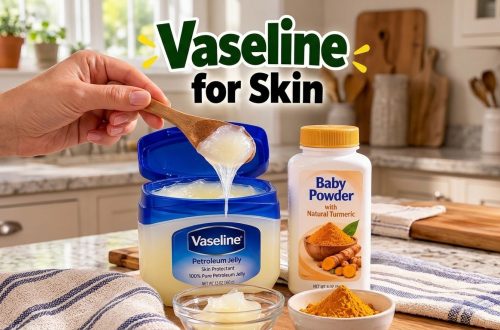
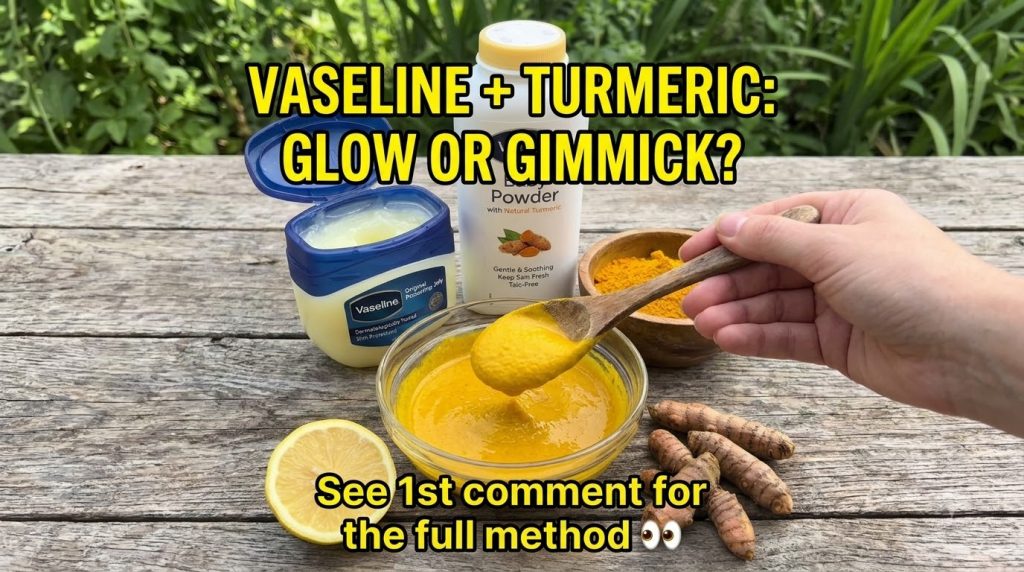
In the vast world of DIY skincare, new trends emerge constantly, promising miraculous results with everyday ingredients. One such sensation that has taken social media by storm is the combination of turmeric and Vaseline (petroleum jelly) for achieving a radiant ‘glow up.’ Everyone is buzzing about this seemingly simple mask for glowing skin, but the big question remains: is it truly a secret weapon in your beauty arsenal, or just another fleeting beauty myth?
Here at Beauty & Life | Philadelphia PA, we’re diving deep into the hype surrounding this internet-famous remedy. We’ll explore the individual ingredients, uncover their traditional uses, and analyze what happens when they’re combined. We aim to cut through the noise and give you the real truth behind this popular skincare hack. What do you think? Is it a glow, or just a gimmick?
The Ancient Wisdom of Turmeric for Skin
Turmeric, a vibrant yellow spice native to Southeast Asia, has been revered for centuries not just in culinary arts but also in traditional medicine and beauty practices. Its main active compound, curcumin, is a powerful antioxidant and anti-inflammatory agent. These properties make turmeric a popular choice for addressing various skin concerns, including:
- Anti-inflammatory benefits: It can help calm irritated skin, reduce redness, and soothe conditions like acne and eczema.
- Antioxidant power: Curcumin helps protect the skin from free radical damage, which contributes to premature aging.
- Skin brightening: Many traditions use turmeric to even out skin tone, reduce hyperpigmentation, and impart a natural radiance.
- Antiseptic qualities: It may help prevent bacterial growth on the skin, which can be beneficial for acne-prone individuals.
From face masks to poultices, turmeric has a long-standing reputation as a natural skin enhancer.
Understanding Vaseline (Petroleum Jelly)
On the other hand, we have Vaseline, a household staple known for its simple yet effective properties. Petroleum jelly is an occlusive agent, meaning it forms a protective barrier on the skin’s surface. This barrier serves several key functions:
- Moisture retention: It locks in existing moisture, preventing transepidermal water loss and keeping the skin hydrated.
- Skin barrier protection: It helps shield the skin from environmental aggressors and supports the natural healing process.
- Soothing dry skin: It’s excellent for chapped lips, dry patches, and minor cuts or burns, providing a comforting and protective layer.
Vaseline is non-comedogenic for most people, meaning it generally won’t clog pores, and it’s recognized as a safe and effective emollient by dermatologists.
The DIY Combination: What Are the Claims?
When these two ingredients are combined, proponents of the turmeric and Vaseline mask claim a synergy that leads to unparalleled skin benefits. The primary promises include:
- Intense hydration: Vaseline traps the moisture, leading to plump, smooth skin.
- Brightened complexion: Turmeric’s brightening properties are amplified, reducing dark spots and improving overall skin tone.
- Reduced inflammation: The anti-inflammatory effects of turmeric are believed to work more effectively when delivered in a moisturizing base.
- A noticeable ‘glow’: The combination supposedly leaves the skin looking exceptionally radiant and healthy.
The idea is that Vaseline helps the turmeric penetrate better while also preventing the spice from staining the skin as severely as it might on its own.
Glow or Gimmick? Expert Insights and Potential Downsides
While the individual benefits of turmeric and Vaseline are well-documented, the scientific community has not yet thoroughly studied the specific combination for skincare. Here’s a balanced look at what to consider:
What Dermatologists Say
Many dermatologists acknowledge the benefits of turmeric’s anti-inflammatory and antioxidant properties and Vaseline’s occlusive capabilities. However, they often advise caution with DIY remedies:
- Lack of clinical evidence: There isn’t robust scientific research supporting the combined use of turmeric and Vaseline for specific skin concerns or for achieving a ‘glow.’
- Formulation concerns: Commercial skincare products containing turmeric are formulated to ensure stability, bioavailability, and proper penetration without staining. DIY versions lack this precision.
- Individual sensitivities: While Vaseline is generally hypoallergenic, some individuals might react to turmeric, especially if applied in high concentrations or left on for extended periods.
Potential Risks and Considerations
- Staining: Despite Vaseline’s occlusive nature, turmeric can and often will leave a yellow tint on the skin, especially on lighter complexions. This can be difficult to remove.
- Pore clogging (for some): While Vaseline is non-comedogenic for most, very thick layers or prolonged use might feel heavy or potentially contribute to breakouts in individuals with extremely oily or acne-prone skin, particularly if the skin isn’t thoroughly cleansed beforehand.
- Allergic reactions: Although rare, allergic contact dermatitis to turmeric can occur, leading to redness, itching, or swelling. Always perform a patch test.
- Photosensitivity: Some sources suggest that turmeric, particularly when used in high concentrations, could potentially increase photosensitivity. While this effect is generally mild, it’s wise to use sun protection after any turmeric application.
How to Safely Experiment (If You Choose To)
If you’re still curious and want to try this viral trend, safety should be your top priority. Here’s how to do it cautiously:
- Patch Test is Crucial: Apply a small amount of the mixture to an inconspicuous area of your skin (like behind your ear or on your inner arm) and wait 24-48 hours. Check for any redness, itching, or irritation before applying it to your face.
- Use Pure Turmeric: Opt for high-quality, organic turmeric powder. Avoid culinary turmeric that might contain added dyes or spices.
- Minimal Amount of Turmeric: Less is more! Start with a tiny pinch of turmeric mixed into a small dollop of Vaseline. A ratio of approximately 1/4 teaspoon turmeric to 1 tablespoon Vaseline is a common starting point.
- Short Application Time: Leave the mask on for a short duration, no more than 10-15 minutes, especially for your first few applications.
- Thorough Cleansing: After use, gently remove the mixture with a cleanser to avoid staining and to prevent any potential residue from lingering on the skin.
- Evening Routine: Apply it as part of your evening skincare routine to minimize any immediate yellow tint concerns and to allow the skin to recover overnight.
Alternatives for a Genuine Glow
If the turmeric and Vaseline combo doesn’t appeal to you, or you’re looking for more scientifically backed methods for radiant skin, consider these proven strategies:
- Vitamin C Serums: A powerhouse antioxidant known for brightening skin, reducing hyperpigmentation, and boosting collagen.
- Niacinamide (Vitamin B3): Improves skin tone, reduces redness, minimizes pores, and strengthens the skin barrier.
- Exfoliation: Regular, gentle exfoliation (chemical or physical) removes dead skin cells, revealing brighter, smoother skin underneath.
- Hydration: Drink plenty of water and use hyaluronic acid serums to keep your skin plump and hydrated from within and without.
- Sunscreen: Non-negotiable for preventing dark spots, premature aging, and maintaining an even skin tone.
The Verdict: A Balanced Perspective
So, is the turmeric and Vaseline mask a glow-up secret or just a gimmick? The truth lies somewhere in the middle. Turmeric offers genuine skin benefits, and Vaseline is an excellent occlusive and moisturizer. However, their combination in a DIY setting lacks scientific validation, carries risks of staining, and may not be suitable for all skin types. While some individuals might experience positive results, the ‘glow’ might largely be due to enhanced hydration from Vaseline and the temporary brightening effect of turmeric.
For those seeking a radiant complexion, a consistent skincare routine involving proven ingredients, sun protection, and a healthy lifestyle remains the most reliable path. If you choose to experiment with this viral trend, proceed with caution and prioritize your skin’s health. Your skin is unique, and what works for one person might not work for another. Always listen to your skin and consult a dermatologist if you have concerns!