Most people ignore the hidden potential in their kitchen. That leftover liquid from your cooking or brewing often gets poured straight down the drain, destined for waste. But what if those seemingly spent liquids held a secret value, waiting to be transformed into practical remedies or powerful cleaning aids? The truth is, many everyday kitchen discards are packed with nutrients and compounds that can be repurposed for beauty, home, and even your garden. Learning to harness these often-overlooked resources can be a game-changer for sustainable living and natural self-care.
Instead of seeing these liquids as waste, imagine them as raw ingredients for a range of DIY solutions. From hair rinses to household cleaners, understanding their properties allows you to turn trash into treasure, reducing waste and embracing a more natural approach to your daily routine. Let’s dive into some of the most surprising and effective ways to give these common kitchen liquids a second life.

What It Is: The Power of Kitchen Repurposing
Kitchen repurposing, in this context, refers to transforming liquids and other ‘waste’ products from your cooking and daily routines into new, useful items. This isn’t just about saving money; it’s about minimizing waste, utilizing natural ingredients, and gaining control over the chemicals you bring into your home and apply to your body. We’re focusing on specific liquids that have well-documented benefits for personal care or household use, moving beyond composting to active transformation.
1. Fermented Rice Water for Hair & Skin Health
Rice water, particularly fermented rice water, is a staple in many traditional beauty routines. It’s rich in vitamins, minerals, amino acids, and antioxidants, making it a fantastic natural tonic for both hair and skin. The fermentation process enhances its beneficial properties, breaking down starches and releasing a higher concentration of nourishing compounds like inositol, which can repair damaged hair.
Ingredients:
- 1/2 cup uncooked rice (white or brown)
- 2-3 cups filtered water
Approximate Measurements:
The ratio is flexible, but generally 1 part rice to 4-6 parts water.
Formula / Recipe:
- Rinse the Rice: Quickly rinse the 1/2 cup of rice under cold water to remove any dirt or impurities.
- Soak: Place the rinsed rice in a clean bowl or jar. Add 2 cups of filtered water.
- Soak (Initial): Let the rice soak for 30 minutes to an hour at room temperature. You’ll notice the water becoming cloudy. This is a basic rice water.
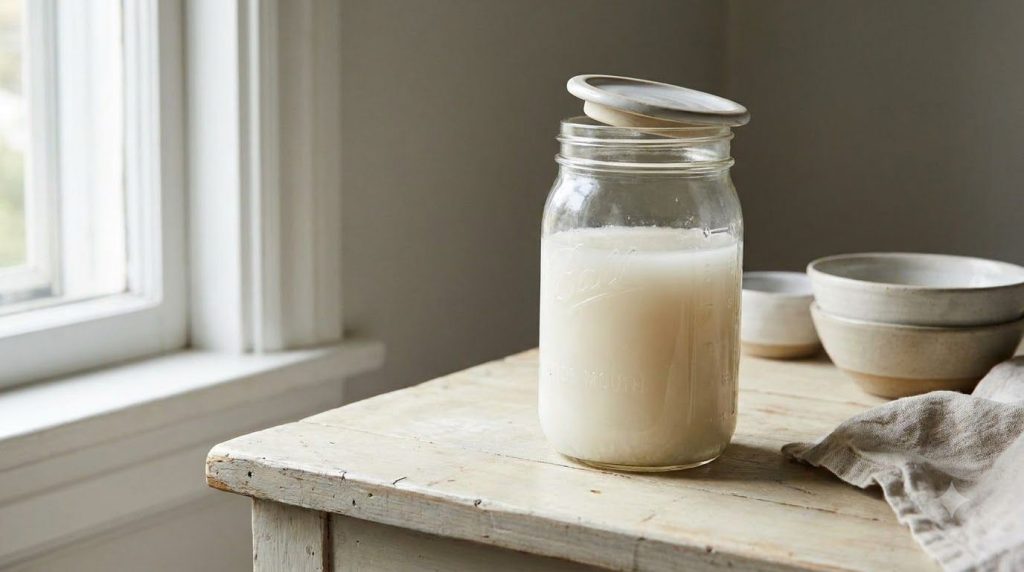
- Strain & Ferment: Strain the rice water into a clean glass jar, discarding the rice (or saving it for cooking). Loosely cover the jar with a lid or cloth to allow air circulation.
- Ferment: Leave the jar at room temperature (ideally 68-75°F / 20-24°C) for 12-24 hours. The fermentation is complete when it develops a slightly sour smell. In colder climates, it may take up to 48 hours. Taste a tiny drop; if it’s too sour, it might be over-fermented.
- Refrigerate: Once fermented, tighten the lid and store it in the refrigerator.
How to Use:
- Hair Rinse: After shampooing, apply the diluted fermented rice water to your hair, focusing on the scalp and ends. Massage gently. Leave on for 5-10 minutes, then rinse thoroughly with cool water.
- Facial Toner: Dilute with an equal part of filtered water. After cleansing, apply to your face with a cotton pad. Let it air dry, then follow with your regular moisturizer.
How Often to Use:
- Hair: 2-3 times a week for best results.
- Face: Daily as a toner, or 3-4 times a week if you have sensitive skin.
Storage:
Store fermented rice water in an airtight container in the refrigerator for up to 5-7 days. Discard if it develops an off-color, mold, or an extremely pungent smell.
2. Revitalizing with Used Coffee Grounds
Don’t toss those coffee grounds after your morning brew! Used coffee grounds are not only excellent for enriching your garden soil but also serve as a fantastic natural exfoliant for your skin. They contain antioxidants and mild acids that can invigorate the skin and help improve circulation. Plus, their abrasive texture makes them perfect for sloughing off dead skin cells.
Ingredients:
- Used coffee grounds
- 1-2 tablespoons of a carrier oil (e.g., coconut oil, olive oil, or almond oil) for body scrub
Approximate Measurements:
For a scrub, aim for a consistency that’s easy to spread but not too runny, adjusting oil as needed.
Formula / Recipe (for Body Scrub):
- Dry the Grounds: Spread used coffee grounds on a baking sheet or plate and let them air dry completely for 1-2 days, or gently bake at a very low temperature (around 150°F / 65°C) for 30 minutes to an hour until dry. This prevents mold.
- Mix for Scrub: Once dry, combine 1/2 cup of dried coffee grounds with 1-2 tablespoons of your chosen carrier oil in a small bowl. Mix until you get a paste-like consistency.
Quick Tip: For an extra boost, add a teaspoon of honey for its moisturizing and antibacterial properties to your coffee scrub mixture.
How to Use:
- Body Exfoliant: In the shower, gently massage the coffee scrub onto damp skin in circular motions. Rinse thoroughly.
- Garden Soil Amendment: Sprinkle dried grounds directly around acid-loving plants (like roses, blueberries, or azaleas) or add them to your compost pile.
How Often to Use:
- Body Scrub: 1-2 times a week.
- Garden: As needed, typically a few times a growing season.
Common Mistake: Not Drying Coffee Grounds
One of the biggest mistakes when repurposing coffee grounds is not drying them completely. Damp grounds are a breeding ground for mold, especially if you plan to store them for a body scrub or use them indoors. Always ensure they are thoroughly dry before storage or mixing with oils.
Storage:
Store dried coffee grounds in an airtight container at room temperature indefinitely. Store coffee scrub in an airtight jar in a cool, dark place for up to 2-3 weeks. If you used honey, consider refrigerating it for longer shelf life.
3. Harnessing Citrus Peel Infused Vinegar
The peels of lemons, oranges, and grapefruits are often discarded, but they contain potent essential oils and acids that can be extracted into vinegar. This citrus-infused vinegar is a fantastic all-natural, all-purpose cleaner that smells wonderful and cuts through grime. It can also be diluted for a natural hair rinse to add shine.
Ingredients:
- Peels from 3-4 citrus fruits (lemons, oranges, grapefruits)
- 2 cups white vinegar
Approximate Measurements:
Enough peels to fill a jar loosely, submerged in vinegar.
Formula / Recipe:
- Collect Peels: Collect citrus peels and place them into a clean glass jar.
- Add Vinegar: Pour white vinegar over the peels until they are completely submerged.
- Infuse: Seal the jar and place it in a cool, dark place for 1-2 weeks. Shake gently every few days.
- Strain: After infusion, strain the liquid into a clean spray bottle or jar, discarding the spent peels.

Here’s the part most people skip:
Using a variety of citrus peels (lemon for brightness, orange for sweetness, grapefruit for a sharper clean) can create a more complex and effective cleaner. Don’t limit yourself to just one type of peel!
How to Use:
- All-Purpose Cleaner: Use the undiluted infused vinegar in a spray bottle to clean countertops, sinks, and glass. Wipe with a clean cloth.
- Hair Rinse: For a natural hair rinse, dilute 1-2 tablespoons of citrus vinegar with 1 cup of water. Use after shampooing, rinse quickly. This can help with product buildup and add shine.
How Often to Use:
- Cleaner: As needed for daily cleaning.
- Hair Rinse: Once every 1-2 weeks.
Storage:
Store the infused vinegar in a sealed container in a cool, dark place for several months.
Kitchen Liquid Remedies: At a Glance
| Liquid Repurposed | Primary Use & Benefit | Storage & Shelf Life |
|---|---|---|
| Fermented Rice Water | Hair strength & shine, skin toning | Refrigerated, 5-7 days |
| Used Coffee Grounds | Body exfoliant, garden fertilizer | Airtight, dry, 2-3 weeks (scrub) / indefinite (dry grounds) |
| Citrus Peel Vinegar | Natural all-purpose cleaner, hair shine rinse | Cool, dark pantry, several months |
Practical Tips for Repurposing Kitchen Liquids
- Start Small: Don’t try to repurpose everything at once. Pick one liquid and master its use before moving on to others.
- Cleanliness is Key: Always use clean jars, bottles, and utensils to prevent contamination, especially when making personal care products.
- Label Everything: Clearly label your concoctions with the contents and date to keep track of freshness and avoid confusion.
- Observe and Adjust: Pay attention to how your body and home react to these natural remedies. Adjust concentrations or frequency as needed.
Common Mistakes to Avoid
- Skipping the Drying Step: For things like coffee grounds, thorough drying is crucial to prevent mold.
- Improper Storage: Storing liquids like rice water at room temperature for too long can lead to spoilage and bacterial growth. Always follow storage guidelines.
- Using Contaminated Ingredients: Only use fresh, non-moldy citrus peels or clean coffee grounds. If there’s any doubt, discard them.
- Overuse or Undilution: Some potent remedies, like citrus vinegar or even fermented rice water, need dilution, especially for sensitive skin or hair, or when used as a cleaner on delicate surfaces.
Cautions / Who Should Avoid It
While natural, these remedies are still potent:
- Allergies: If you have allergies to rice, coffee, or citrus, avoid using these remedies topically. Always perform a patch test on a small area of skin before full application.
- Sensitive Skin: Dilute rice water or citrus vinegar more heavily if you have very sensitive skin. Discontinue use if irritation occurs.
- Open Wounds/Broken Skin: Avoid applying any of these remedies to broken or irritated skin.
- Vinegar Fumes: Ensure good ventilation when using citrus vinegar as a cleaner, as vinegar fumes can be strong.
Quick Summary
Instead of discarding common kitchen liquids, embrace their hidden potential. Fermented rice water revitalizes hair and skin, offering a natural beauty boost. Used coffee grounds make an invigorating body scrub and nourish your garden. Citrus peel-infused vinegar provides an eco-friendly cleaning solution and a hair-shining rinse. Remember to dry coffee grounds properly, store liquids in the refrigerator, and always perform a patch test for skin sensitivity. These simple transformations reduce waste and integrate natural solutions into your daily life.
You may also like: Read more about DIY natural face masks
FAQ
- Can I use fresh rice water instead of fermented?
Yes, you can use fresh rice water (soaked for 30 minutes), but fermented rice water is believed to have enhanced benefits due to the breakdown of starches and increased nutrient availability. - How long do these remedies last?
Fermented rice water lasts 5-7 days refrigerated. Dried coffee grounds are almost indefinite, but a coffee scrub (with oil) lasts 2-3 weeks. Citrus vinegar lasts several months in a cool, dark place. - Can I freeze rice water or coffee scrub?
Freezing rice water in ice cube trays is a great way to extend its life; thaw before use. Coffee scrub can be frozen, but the texture may change slightly upon thawing. - What part of the citrus fruit is best for vinegar infusion?
The peel is what you want, as it contains the essential oils. Avoid including too much of the white pith, which can make the vinegar bitter. - Will coffee grounds clog my drain if used as a scrub?
Yes, coffee grounds can clog drains. Always rinse thoroughly and consider collecting them in a drain strainer to dispose of in the trash or compost. - Is it safe to use these on colored hair?
Rice water is generally safe for colored hair. Citrus vinegar, when highly diluted, is usually fine, but use sparingly as vinegar can slightly affect certain dyes over time. Always do a strand test. - How can I tell if my fermented rice water is bad?
If it has a very strong, unpleasant odor (beyond mild sourness), shows signs of mold, or has an unusual color, it has gone bad and should be discarded.
Continue reading: See the full guide to homemade remedies for glowing skin
Conclusion
Embracing the secret value of common kitchen liquids is a simple yet impactful step towards a more sustainable and naturally focused lifestyle. By transforming what you once considered waste into beneficial remedies and household aids, you’re not only reducing your environmental footprint but also discovering effective, natural alternatives for your everyday needs. So next time you’re about to pour something down the drain, pause and consider its hidden potential. Your kitchen, and your routine, might just thank you for it.
