Most people ignore this part of the linden tree, fixated on its fragrant blossoms. While the delicate flowers make a beloved tea, it’s the often-overlooked seeds that hold a surprisingly versatile culinary secret, ready to elevate your kitchen creations. Forget vague wellness trends; we’re diving into a tangible, actionable ingredient that can transform your everyday cooking.
What Are Linden Seeds?
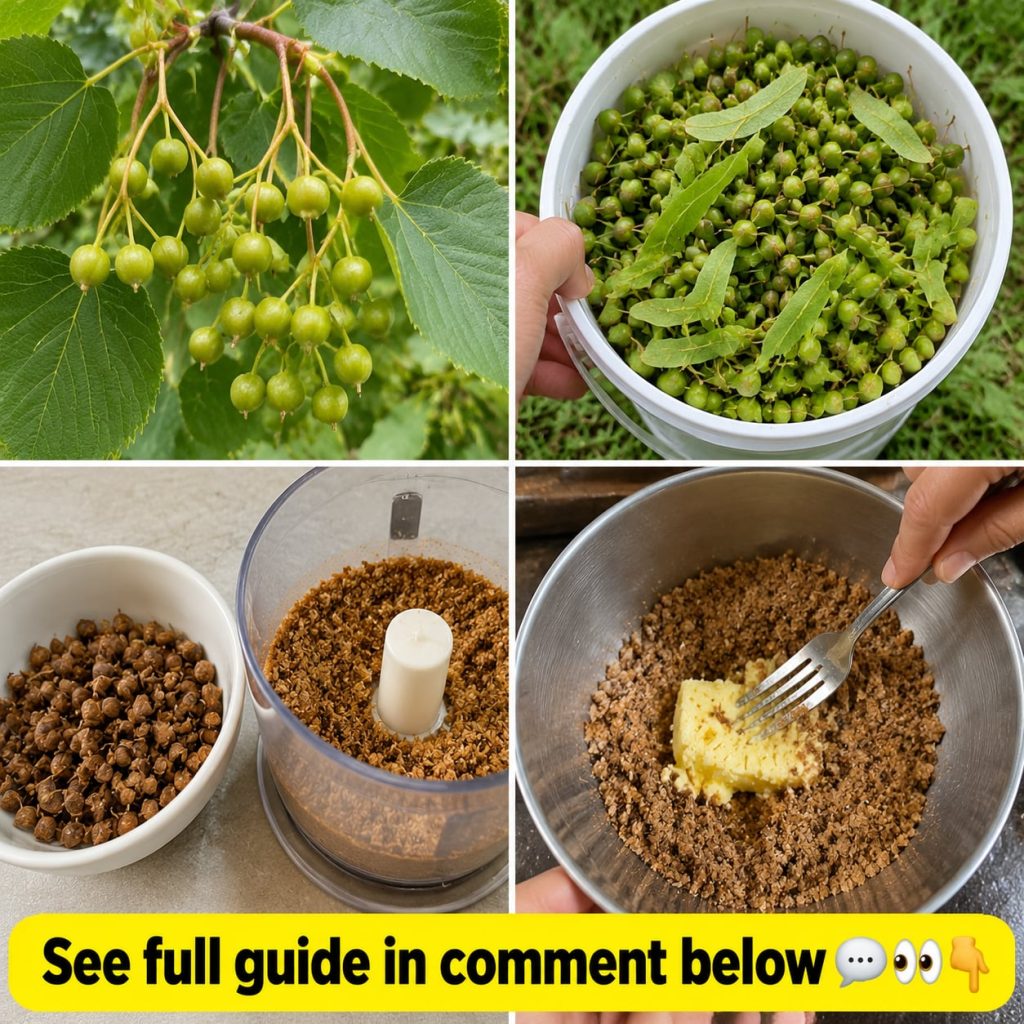
Linden, also known as “lime tree” or “basswood” in some regions, is celebrated for its beautiful flowers used in herbal teas. However, after the flowers fade, small, hard, round seeds develop, typically clustered with a unique, leaf-like “bract.” These seeds, often dismissed as mere tree debris, possess a mild, nutty flavor profile that makes them an intriguing ingredient for adventurous cooks and foragers.
How to Choose and Forage Linden Seeds
Sourcing linden seeds usually means foraging, as they are not commonly sold in stores. The best time to collect them is in late summer to early autumn, after the flowers have bloomed and the seeds have fully developed but before they drop naturally. Look for trees in clean environments, far from roadsides or areas sprayed with pesticides. The seeds should be firm and mature. Identify the linden tree by its heart-shaped leaves and distinct “bract” attached to the seed clusters.
Quick Tip: Always be 100% certain of your plant identification before consuming any foraged item. When in doubt, leave it out.
Formula for Culinary Linden Seeds: Roasting
One of the most popular and easiest ways to prepare linden seeds for culinary use is by roasting them. Roasting brings out their subtle nutty flavor and makes them easier to grind or chop.
Ingredients:
- 1 cup fresh or dried linden seeds (with or without bracts, as preferred)
- 1 teaspoon olive oil (optional, for enhanced roasting)
- Pinch of salt (optional)
Approximate Measurements:
These measurements are flexible. You can scale up or down depending on how many seeds you’ve collected.
Step-by-Step Method: Roasting Linden Seeds
- Clean the Seeds: If you’ve collected fresh seeds with their bracts, you can keep them on for roasting – the bracts will crisp up. However, for a cleaner taste, you might want to separate the seeds from the bracts first. Rinse the seeds thoroughly under cold water to remove any dirt or debris. Pat them dry completely with a clean cloth.
- Preheat Oven: Preheat your oven to 300°F (150°C).
- Prepare Baking Sheet: Spread the cleaned and dried linden seeds in a single layer on a baking sheet. You can lightly drizzle with olive oil and sprinkle with salt if desired.
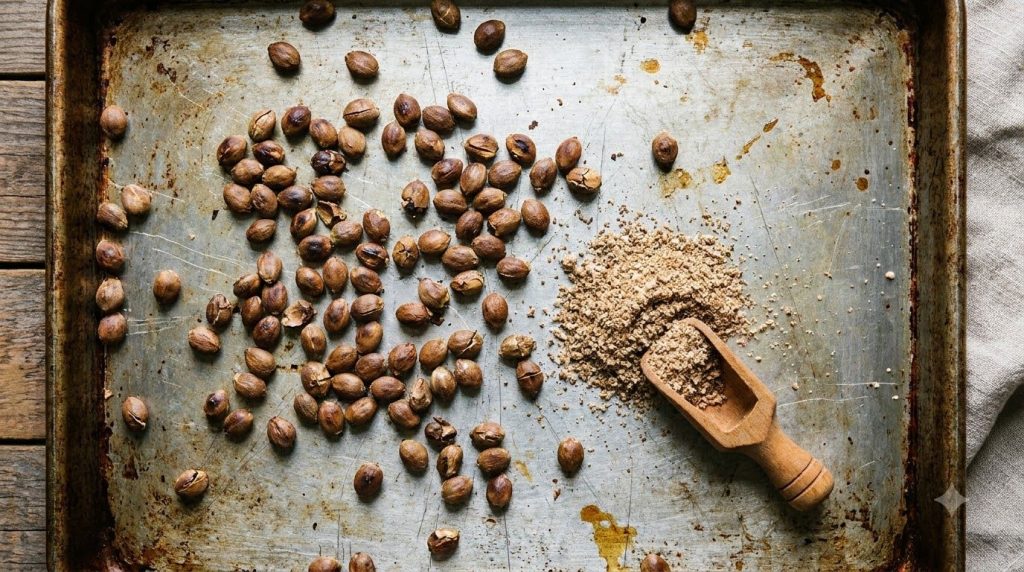
- Roast: Roast for 15-20 minutes, or until the seeds are fragrant and lightly browned. They should become crisp. Stir them once or twice during roasting to ensure even cooking.
- Cool: Remove from the oven and let them cool completely on the baking sheet. They will become even crispier as they cool.
How to Use Roasted Linden Seeds
Once roasted, linden seeds can be used in several ways:
- Snack: Enjoy them plain as a healthy, nutty snack.
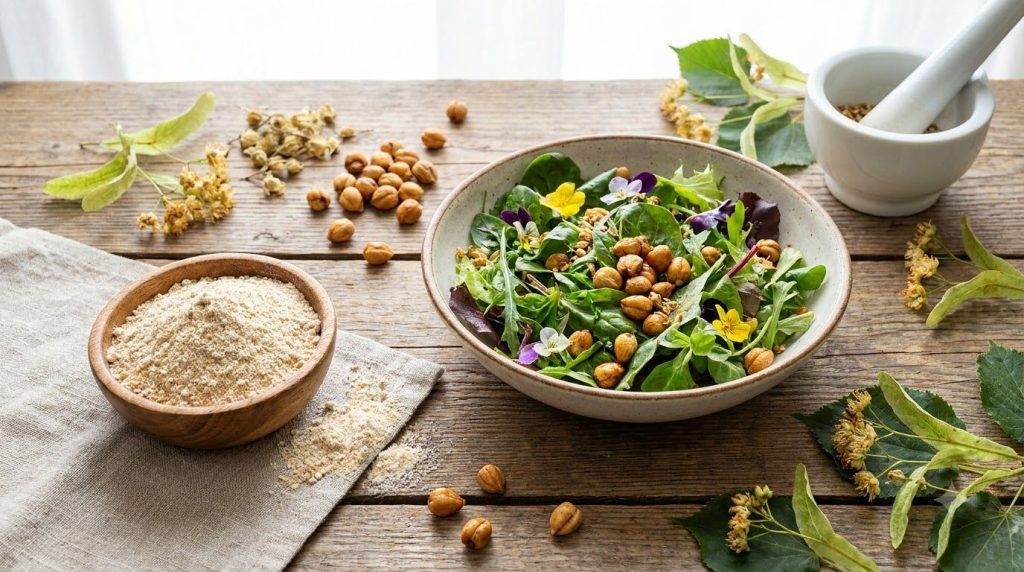
- Salad Topping: Sprinkle whole or roughly chopped seeds over salads for added crunch and flavor.
- Garnish: Use as a unique garnish for soups, roasted vegetables, or grain bowls.
- Seed “Flour”: Grind the roasted seeds into a coarse powder using a spice grinder or mortar and pestle. This “flour” can be blended into smoothies, used as a thickening agent for sauces, or even partially substituted for flour in baked goods like crackers or savory muffins.
- Pesto: Combine with olive oil, garlic, and herbs to create a unique pesto.
Did You Know? Historically, linden seeds were sometimes processed into a chocolate-like substitute, showcasing their hidden potential.
How Often to Use
As a culinary ingredient, linden seeds can be used as often as you like, in moderation, just like other nuts or seeds. There isn’t a strict frequency guideline, but listen to your body and introduce new foods gradually.
Storage
Store roasted linden seeds in an airtight container in a cool, dark place. They will keep for several weeks to a few months. If you grind them into “flour,” it’s best to use it within a few weeks for optimal freshness, or store it in the refrigerator to extend its shelf life.
Practical Tips for Linden Seeds
- Experiment: Don’t be afraid to experiment with different levels of roasting to find your preferred flavor and texture.
- Combine: Mix linden seed “flour” with other flours when baking, rather than using it as a 100% substitute, to achieve a desirable texture.
- Flavor Pairings: Linden seeds pair well with earthy flavors, root vegetables, mushrooms, and mild cheeses.
Common Mistakes
- Incorrect Identification: Foraging the wrong plant can be dangerous. Always verify your linden tree identification.
- Over-Roasting: Burning the seeds will result in a bitter taste rather than a pleasant nutty one. Keep an eye on them.
- Using Sprayed Plants: Harvesting from areas treated with pesticides or herbicides can contaminate your seeds. Stick to wild, untainted spots.
- Improper Drying: If seeds are not thoroughly dried after rinsing or before storage, they can mold quickly.
Cautions & Who Should Avoid It
Linden seeds are generally considered safe for culinary use in moderate amounts, similar to other edible seeds. However, as with any new food, start with small quantities to ensure no adverse reactions. Pregnant or breastfeeding women, or individuals with specific allergies, should consult a healthcare professional before incorporating new foraged foods into their diet.
Linden Seed Preparation & Use: Quick Reference
| Preparation Type | Best Use-Case | Flavor Profile | Storage Life (Airtight, Cool, Dark) |
|---|---|---|---|
| Raw/Freshly Picked | Immediate light use (e.g., small addition to salads) | Mild, slightly green, faint nutty notes | Few days in fridge |
| Roasted (whole) | Snack, salad topping, garnish | Enhanced nutty, slightly earthy, crisp | 2-3 months |
| Roasted & Ground (flour) | Smoothie additive, baking, sauce thickener | Concentrated nutty, earthy | 2-4 weeks (fridge for longer) |
Quick Summary
Linden seeds offer a unique, nutty flavor to diversify your cooking. Best prepared by roasting, they can be enjoyed whole as a snack or topping, or ground into a “flour” for baking and thickening. Store roasted seeds in an airtight container for several weeks. Always forage responsibly and correctly identify the plant. Avoid over-roasting for the best taste.
You may also like: DIY Herbal Vinegars: Elevate Your Culinary Creations
FAQ
- Can I eat linden seeds raw? While technically edible, roasting greatly improves their flavor and texture, making them more palatable and versatile for cooking.
- How long do linden seeds last after roasting? Roasted seeds will stay fresh in an airtight container in a cool, dark place for 2-3 months.
- Can I use the bracts with the seeds? Yes, the leafy bracts can be roasted along with the seeds and add a slightly herbaceous note, becoming crispy.
- What do linden seeds taste like? They have a mild, pleasant nutty flavor, often compared to a blend of almond and hazelnut, especially after roasting.
- Can I freeze linden seeds? Yes, you can freeze roasted and cooled linden seeds or their “flour” in an airtight freezer-safe bag for longer storage (up to 6 months).
- Are there different types of linden trees, and do their seeds differ? While there are several species (e.g., Tilia cordata, Tilia platyphyllos), their seeds are generally similar in culinary use and flavor profile.
Read more: The Unexpected Benefits of Dandelion Root for Your Wellness
Conclusion
Don’t let the beautiful linden flowers distract you from the hidden potential of their seeds. By understanding how to forage, prepare, and incorporate these tiny treasures into your diet, you can unlock a new realm of flavors and textures in your kitchen. Embrace the art of culinary discovery and add this versatile wild edible to your repertoire.
Continue with: Easy Homemade Herbal Extracts for Your Pantry