Ever wonder what a satisfying 1,700-calorie day actually looks like? Navigating calorie goals can sometimes feel like a puzzle, especially when you’re aiming for balance and flavor without feeling deprived. This comprehensive guide breaks down delicious, balanced meals, providing a clear visual and practical roadmap to help you fuel your body right.
Understanding your calorie needs is a fundamental step toward achieving your health goals, whether it’s maintaining your current weight, gentle weight loss, or simply ensuring you’re getting adequate nutrition for sustained energy throughout the day. For many women, a 1,700-calorie diet can be an excellent target, offering enough fuel for daily activities while supporting a healthy lifestyle.
Let’s dive into what a full day of balanced, nutrient-dense meals at this calorie level can look like, proving that healthy eating can be both delicious and satisfying.
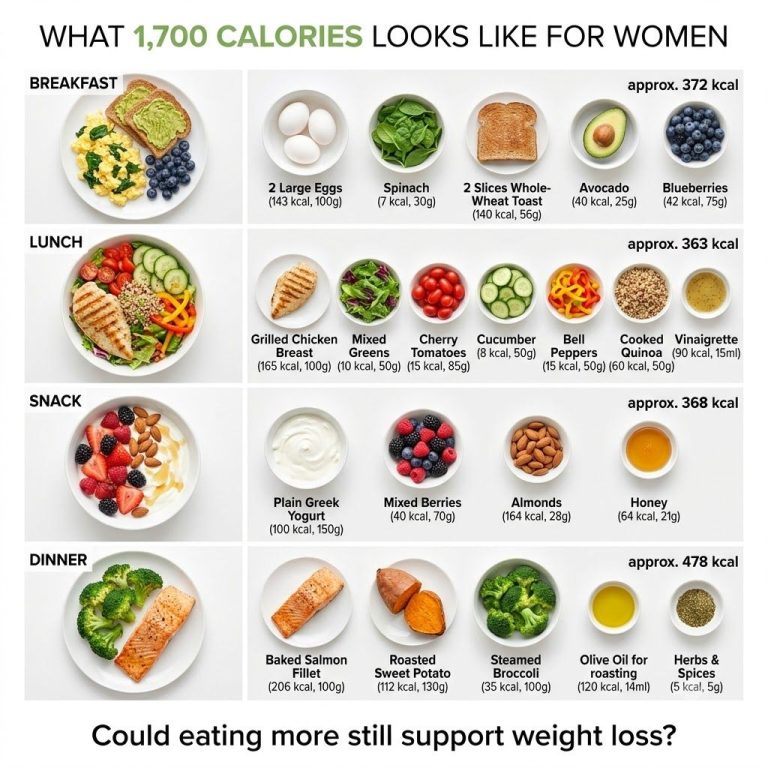
Why 1,700 Calories? Finding Your Balance
The 1,700-calorie mark is often a sweet spot for women seeking to manage their weight or maintain a healthy lifestyle, depending on their activity level, age, and metabolism. It provides sufficient energy to avoid hunger and support daily functions, workouts, and cognitive health, without leading to excessive intake. This guideline emphasizes nutrient density, ensuring every calorie counts towards your well-being.
Understanding Macronutrients in Your Daily Plan
Before we explore the meals, it’s crucial to briefly touch on macronutrients – proteins, carbohydrates, and fats. A balanced 1,700-calorie plan should aim for a healthy distribution of these: sufficient protein for muscle repair and satiety, complex carbohydrates for sustained energy, and healthy fats for hormone production and nutrient absorption. Our meal examples will naturally incorporate this balance.
Your Full 1,700-Calorie Day Breakdown
Breakfast: Energize Your Morning (Approx. 350-400 calories)
Starting your day with a nutritious meal is key to setting a positive tone for your metabolism and energy levels. Focus on whole grains, lean protein, and fiber.
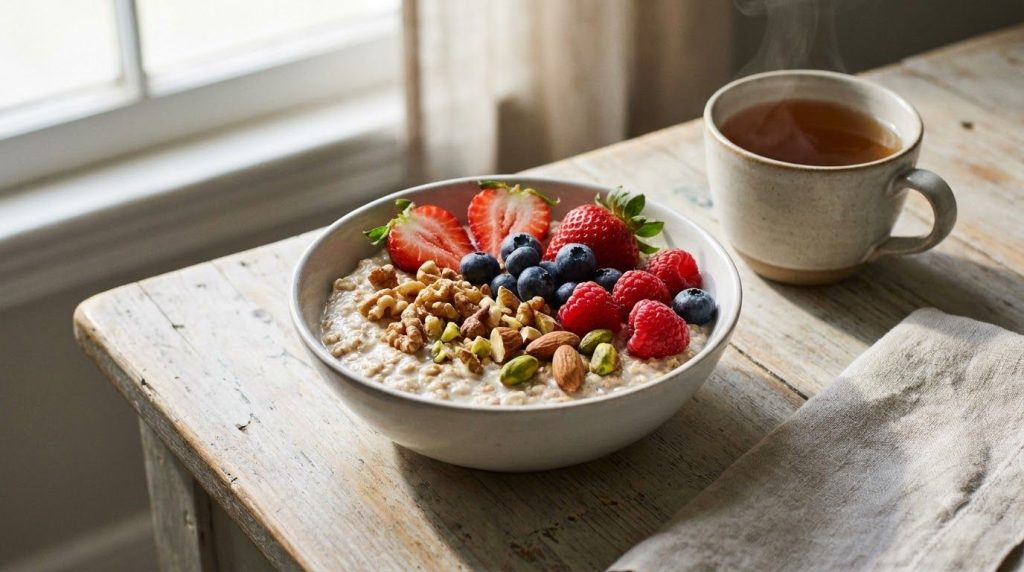
- Option 1: Overnight Oats with Berries & Nuts
Combine 1/2 cup rolled oats, 1 cup unsweetened almond milk, 1 scoop vanilla protein powder (optional), 1/4 cup mixed berries, and 1 tablespoon chopped walnuts. Prepare the night before for a quick morning meal. - Option 2: Scrambled Eggs with Whole-Wheat Toast
2 scrambled eggs, 1 slice of whole-wheat toast with 1 teaspoon avocado, and a side of 1/2 cup sliced cucumbers.
Lunch: Midday Fuel for Focus (Approx. 450-500 calories)
A satisfying lunch keeps you full and focused through the afternoon. Aim for a good source of protein, complex carbohydrates, and plenty of vegetables.
- Option 1: Large Salad with Grilled Chicken & Quinoa
Mix 3 oz grilled chicken breast, 1 cup mixed greens, 1/2 cup cooked quinoa, 1/4 cup cherry tomatoes, 1/4 cup sliced cucumber, 1/4 cup bell peppers, and 2 tablespoons light vinaigrette dressing. - Option 2: Whole-Wheat Turkey & Veggie Wrap
One large whole-wheat tortilla filled with 3 oz sliced turkey breast, 1 slice low-fat cheese, 1/4 avocado, mixed greens, and sliced bell peppers.
Afternoon Snack: Bridging the Gap (Approx. 150-200 calories)
A smart snack can prevent overeating at dinner and provide an energy boost.
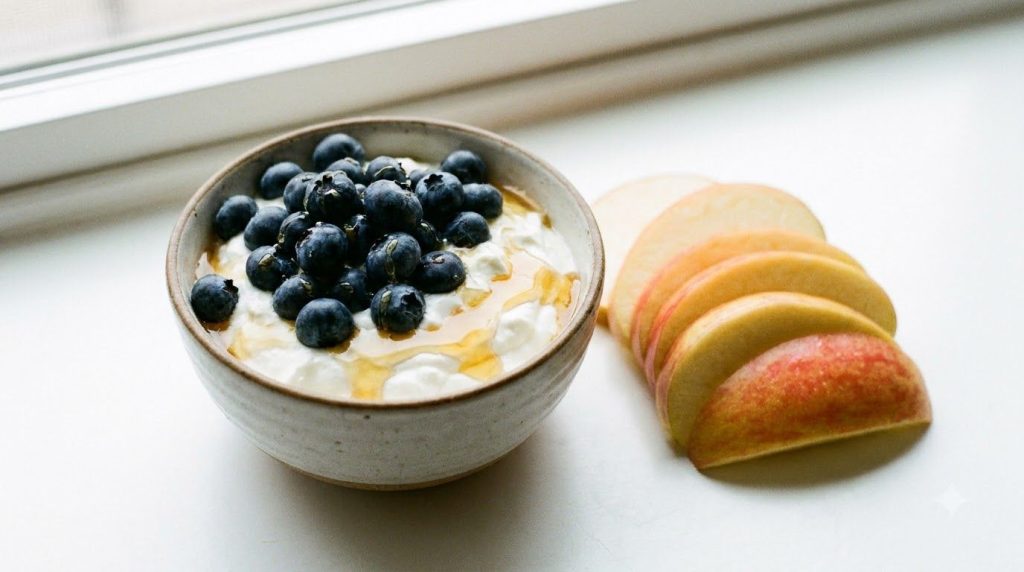
- Option 1: Greek Yogurt with Fruit
1/2 cup plain Greek yogurt with 1/2 cup mixed berries. - Option 2: Apple with Almond Butter
One medium apple sliced with 1 tablespoon almond butter.
Dinner: Nourishing Evening Meal (Approx. 550-600 calories)
Your evening meal should be wholesome and fulfilling, preparing your body for rest and recovery.
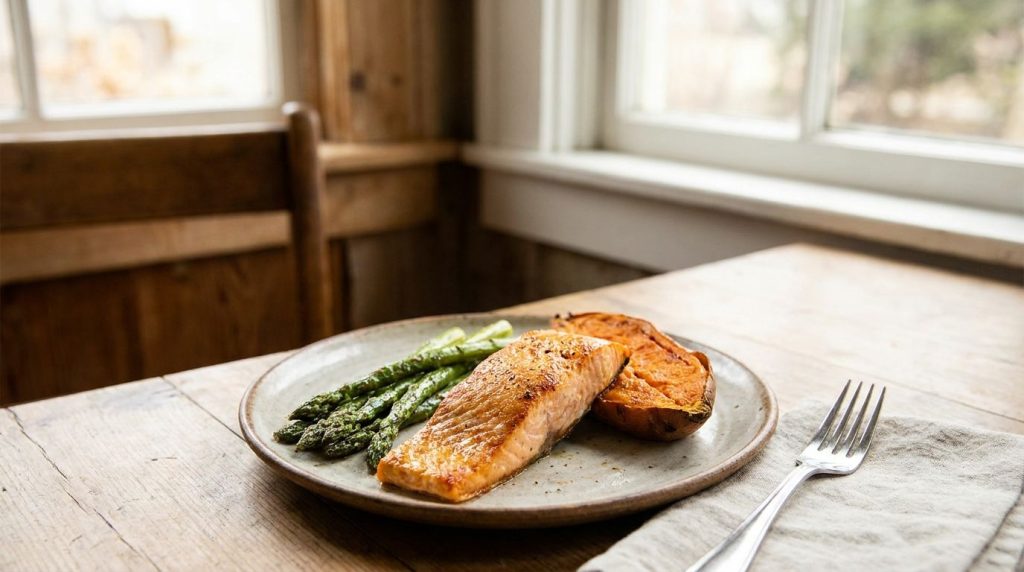
- Option 1: Baked Salmon with Roasted Sweet Potato & Asparagus
4 oz baked salmon fillet, 1 medium roasted sweet potato, and 1 cup roasted asparagus seasoned with herbs. - Option 2: Lean Ground Turkey Stir-fry
4 oz lean ground turkey stir-fried with 2 cups mixed vegetables (broccoli, carrots, snow peas) and 1/2 cup brown rice, with a light soy sauce or tamari dressing.
Evening Snack (Optional): Light & Satisfying (Approx. 100-150 calories)
If you find yourself hungry before bed, opt for something light.
- Option 1: Small handful of almonds (about 15-20 almonds)
- Option 2: Herbal Tea with 1/2 cup cottage cheese
Key Principles for Success on a 1,700-Calorie Plan
- Portion Control: Pay attention to serving sizes. Even healthy foods can contribute to calorie overconsumption if portions are too large.
- Nutrient Density: Choose whole, unprocessed foods that offer a high amount of vitamins, minerals, and fiber for their calorie count.
- Hydration: Drink plenty of water throughout the day. Sometimes, thirst can be mistaken for hunger.
- Mindful Eating: Eat slowly, savor your food, and pay attention to your body’s hunger and fullness cues.
- Flexibility: This is a guide, not a rigid rulebook. Feel free to swap out ingredients or meals to fit your preferences and what’s available, as long as you maintain the overall calorie and macro balance.
Adjusting for Your Unique Needs
Remember that this 1,700-calorie guide is a general template. Your ideal calorie intake might vary based on factors like age, activity level, metabolism, and specific health goals. If you’re highly active, you might need slightly more; if your goal is more aggressive weight loss, you might need a bit less. Consulting with a registered dietitian or nutritionist can provide personalized advice tailored to your individual requirements.
Embrace Your Health Journey
Eating well doesn’t have to be complicated or boring. With careful planning and a focus on nutrient-rich foods, a 1,700-calorie day can be both satisfying and instrumental in achieving your wellness goals. Use this guide as inspiration to create your own delicious and balanced meal plans. Your body will thank you for it!
Save this post for your next meal planning inspiration and share it with someone who might find it helpful on their wellness journey!