Most people ignore the sunny yellow flower popping up in their lawn, often reaching for herbicides to banish it. They see a nuisance, a relentless weed. But what if that familiar plant, often dismissed without a second glance, was actually a hidden treasure trove of natural remedies? We’re talking about the humble dandelion, a powerhouse of practical uses that many herbalists keep close at hand.
This isn’t about some rare, exotic herb; it’s about the plant you likely pull from your garden. The dandelion (Taraxacum officinale) is far more than just a common weed. Every part—from its vibrant yellow flowers to its jagged leaves and deep taproot—holds a unique set of properties that have been utilized in traditional practices for centuries. Instead of fighting it, it’s time to learn how to harness its simple, everyday potential.
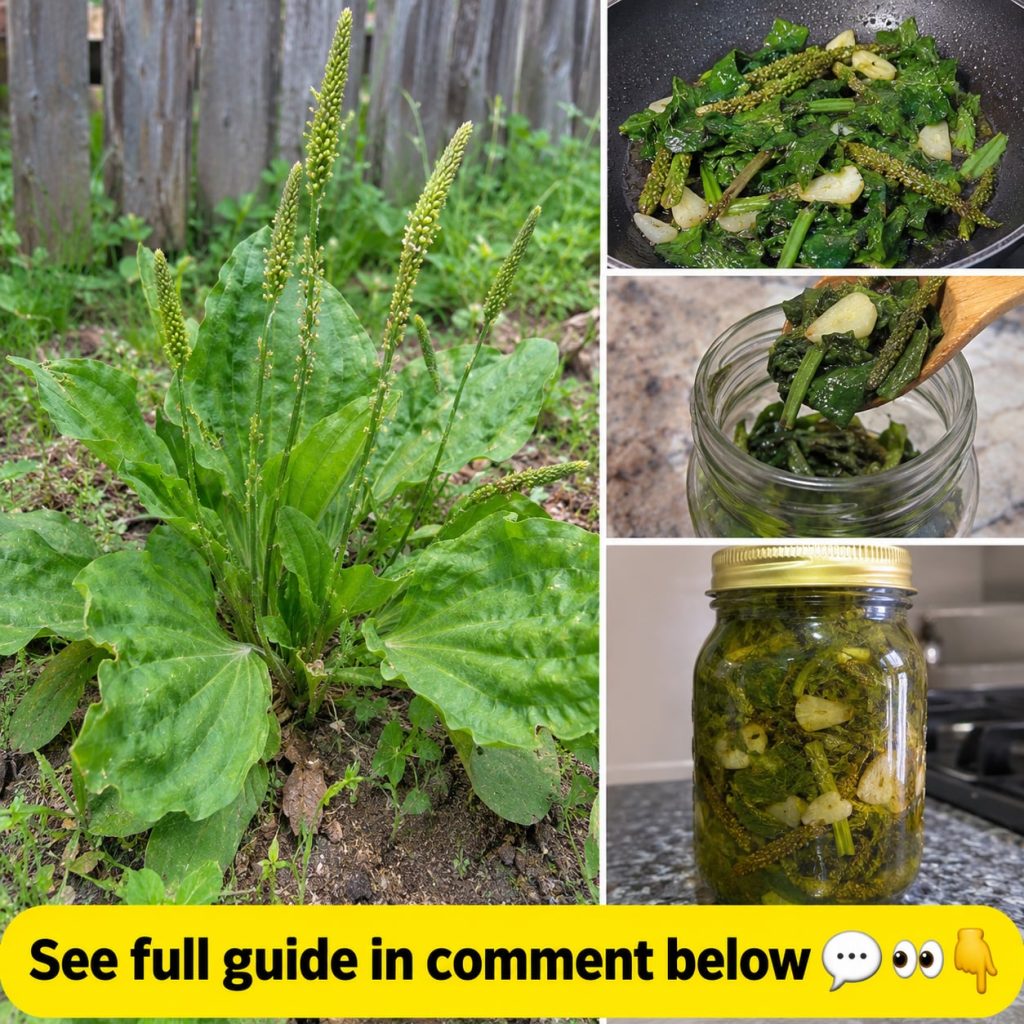
What It Is: The Mighty Dandelion
Dandelion, derived from the French “dent de lion” (lion’s tooth) referring to its jagged leaves, is a perennial herb found almost everywhere. Its bright flowers transform into fluffy seed heads, and its deep taproot makes it resilient. All parts are edible and have distinct uses: the leaves are often used in salads or teas, the flowers can be made into wine or jelly, and the roots are commonly roasted for a coffee-like beverage or used in tinctures.
Ingredients for a Basic Dandelion Leaf & Root Tea
For one serving of a cleansing and nourishing dandelion tea, you’ll need:
- 1 teaspoon dried dandelion leaves (or 2 teaspoons fresh, chopped)
- 1/2 teaspoon dried dandelion root (or 1 teaspoon fresh, chopped)
- 8-10 ounces of hot water
These approximate measurements can be adjusted to your taste and desired strength.
Formula / Recipe: Simple Dandelion Tea
This basic formula combines the diuretic properties of the leaves with the liver-supporting qualities of the root for a well-rounded tonic.
Step-by-Step Method
- Prepare Your Dandelion: If using fresh dandelion, ensure it comes from an unsprayed area. Wash leaves and roots thoroughly. Chop them finely. If using dried, no preparation is needed other than measuring.
- Combine: Place the dried (or fresh) dandelion leaves and roots into a tea infuser, a French press, or directly into a mug.
- Heat Water: Bring 8-10 ounces of fresh water to a boil.
- Pour and Steep: Pour the hot water over the dandelion material. Cover your mug (this helps keep the beneficial volatile compounds from escaping).
- Steep: Let it steep for 5-10 minutes. For a stronger brew, especially with roots, you can steep longer or even simmer the roots gently for 15-20 minutes before adding leaves.
- Strain: Strain the tea to remove the plant material.
- Serve: Enjoy your dandelion tea warm. You can add a squeeze of lemon or a touch of honey if desired.
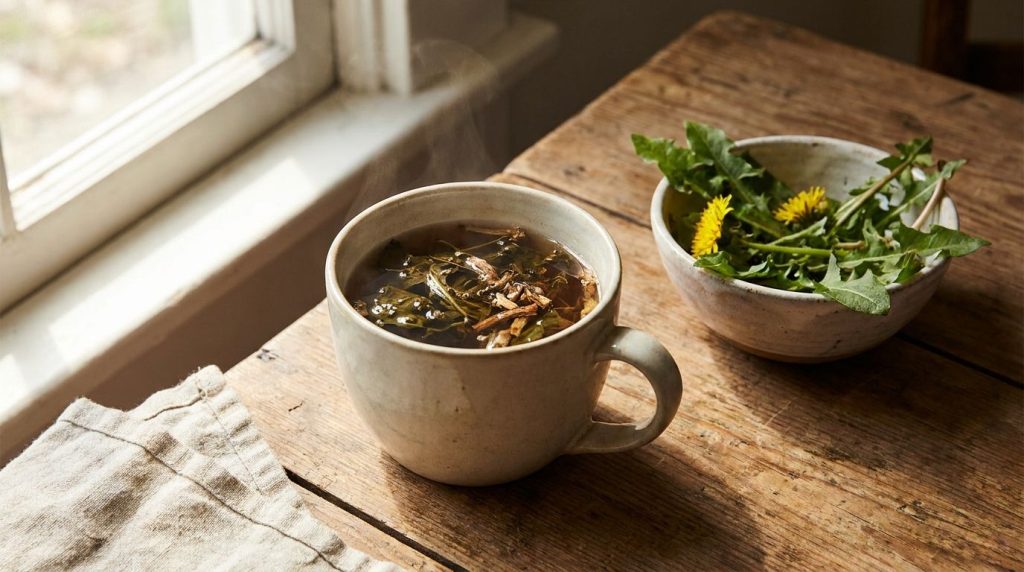
How to Use Dandelion Tea
This tea is typically consumed as a beverage to support general well-being. It’s often appreciated for its mildly bitter taste, which is characteristic of many beneficial herbal preparations. You can drink it:
- In the morning to kickstart your day.
- Between meals as a gentle tonic.
- Before bed, though it is mildly diuretic, so adjust based on your sensitivity.
How Often to Use
For general wellness, drinking 1-2 cups of dandelion tea daily for a few weeks, then taking a break, is a common practice. Listen to your body and adjust frequency as needed. Consistency over time is often more beneficial than sporadic heavy use.
Here’s the part most people skip: Sourcing Your Dandelion
Choosing your dandelion wisely is crucial. Foraging can be rewarding, but safety comes first. Always gather from areas that are free from pesticides, herbicides, and pollution (like roadsides or industrial zones). Look for vibrant, healthy plants. If foraging isn’t an option, high-quality dried dandelion leaves and roots are readily available from reputable herbal suppliers or health food stores.
When buying, check for organic certification and a clear indication of the plant part (leaf, root, or whole plant). Freshness matters for potency, so ensure dried herbs are not overly old or dusty.
Storage
Fresh Dandelion: Store fresh leaves and roots unwashed in a loosely sealed bag in the refrigerator for up to 3-5 days. Wash just before use.
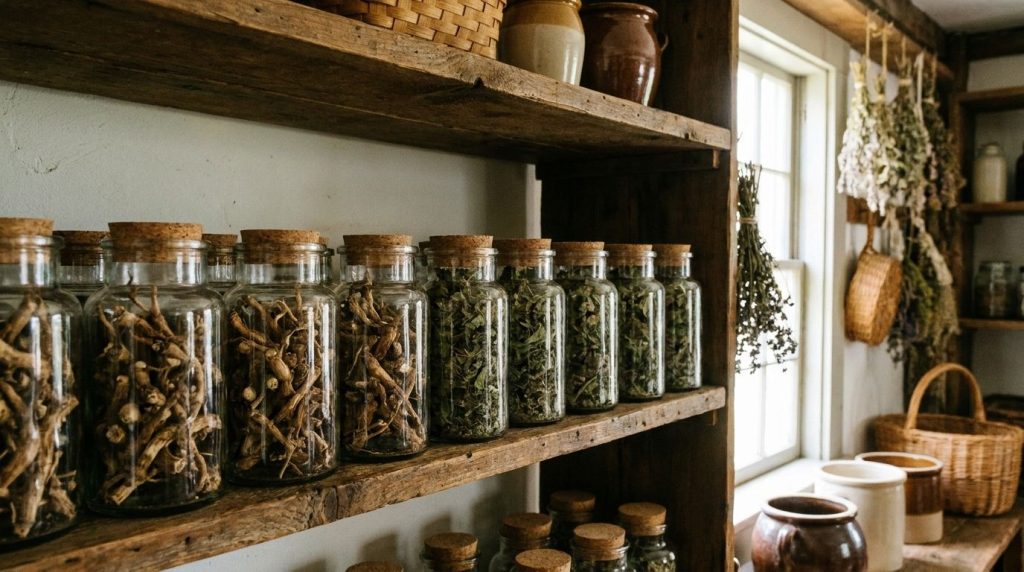
Dried Dandelion: Keep dried leaves and roots in airtight containers away from direct sunlight, heat, and moisture. They can retain potency for up to 1 year.
Prepared Tea: Brewed tea can be stored in the refrigerator for up to 24-48 hours. Reheat gently or enjoy cold.
Practical Tips for Using Dandelion
- Beyond Tea: Don’t limit yourself to tea. Young dandelion leaves are excellent in salads, providing a slightly bitter, peppery kick. You can also sauté older leaves like spinach.
- Roast the Roots: For a delicious coffee alternative, wash, chop, and roast dandelion roots until dark brown and aromatic. Grind and brew like coffee.
- Flower Power: Dandelion flowers are a beautiful addition to salads or can be used to make infused oils or vinegars.
- Start Small: If you’re new to dandelion, begin with smaller quantities to see how your body responds.
Common Mistakes to Avoid
- Foraging from Sprayed Areas: This is the most crucial mistake. Pesticides and herbicides can be harmful. Always know your source.
- Misidentification: While dandelion is distinct, ensure you’re picking the correct plant. When in doubt, don’t consume it.
- Improper Drying: If drying your own, ensure thorough drying to prevent mold. Spread leaves/roots in a single layer in a well-ventilated, shaded area until completely brittle.
- Boiling Leaves: While roots can be simmered, boiling delicate leaves can degrade some of their beneficial compounds. Steeping with hot water is usually preferred for leaves.
- Ignoring Cautions: Assuming natural means risk-free. Always check for potential interactions or contraindications.
Quick Tip: Fresh vs. Dried Dandelion
Both fresh and dried dandelion offer benefits, but they differ slightly in concentration and ease of use.
| Feature | Fresh Dandelion | Dried Dandelion |
|---|---|---|
| Potency | Good, especially for vitamins and fresh enzymes. | More concentrated by weight, good for long-term storage. |
| Preparation | Requires washing and chopping. | Ready to use. |
| Availability | Seasonal (spring, fall are best). | Year-round from suppliers. |
| Storage | Short shelf life (days in fridge). | Long shelf life (up to 1 year). |
| Best Use | Salads, fresh juices, quick infusions. | Teas, tinctures, long decoctions. |
Cautions / Who Should Avoid It
While generally safe for most, dandelion isn’t for everyone:
- Allergies: People allergic to plants in the daisy family (ragweed, chrysanthemums, marigolds) may also be allergic to dandelion.
- Medication Interactions: Dandelion can interact with certain medications, including diuretics, blood thinners, and lithium. Consult your doctor if you are on medication.
- Gallbladder Issues: Those with bile duct obstruction or gallstones should use caution or avoid it, as dandelion can stimulate bile flow.
- Pregnancy/Breastfeeding: Due to limited research, it’s best to consult a healthcare professional before using dandelion during pregnancy or while breastfeeding.
Quick Summary
- Best Preparation: Tea or infusion using leaves and roots.
- Best Use-Case: General wellness, mild cleansing, gentle support.
- Storage: Fresh in the fridge for days; dried in an airtight container for up to a year.
- When to Use: Daily for a few weeks, then cycle off.
- What to Avoid: Foraging from contaminated areas, heavy use if on certain medications or with specific health conditions.
You may also like: Read our full guide to easy homemade herbal teas.
FAQ
Q: Can I use fresh or dried dandelion for tea?
A: Yes, both can be used. Dried dandelion is more concentrated, so you’ll use less. Fresh dandelion offers a vibrant, slightly different flavor profile.
Q: How long does dandelion tea last once prepared?
A: Brewed dandelion tea should be consumed within 24-48 hours if stored in the refrigerator.
Q: Can I refrigerate fresh dandelion?
A: Yes, fresh dandelion leaves and roots can be stored unwashed in a loosely sealed bag in the refrigerator for 3-5 days.
Q: How often should I drink dandelion tea?
A: 1-2 cups daily for a few weeks is a common recommendation, followed by a break. Always listen to your body.
Q: What part of the dandelion is best to use?
A: It depends on your desired effect. Leaves are often used for their diuretic properties, while roots are known for supporting the liver. Many prefer a blend of both.
Q: Can I reuse the dandelion material for another cup of tea?
A: While you can, the potency will be significantly reduced after the first steep. It’s generally recommended to use fresh material for each brew.
Q: When should I avoid dandelion?
A: Avoid if you have allergies to related plants, are on specific medications (especially diuretics or blood thinners), have gallbladder issues, or are pregnant/breastfeeding without medical advice.
Continue with: See more DIY natural skincare recipes.
Conclusion
The dandelion is a testament to the hidden power found in plain sight. This ‘weed’ offers a practical, accessible path to supporting your wellness with simple, homemade preparations. By understanding its uses, preparing it correctly, and being mindful of its cautions, you can transform this garden inhabitant from a forgotten nuisance into a cherished natural remedy. So next time you see a dandelion, think twice before you pull it – you might just be looking at a hidden treasure.