Achieving a radiant, fresh-looking complexion doesn’t always require a trip to the store. With a few simple ingredients, you can whip up your own natural skin toners right at home. These DIY solutions can help support your skin’s balance, promote a smoother appearance, and contribute to that coveted healthy glow. Let’s dive into an easy recipe designed to help tighten the appearance of pores and reduce the look of dark spots for a truly revitalized complexion.

Quick Recipe
Prep time: 5 minutes
Best for: Radiant skin, pore appearance, evening skin tone
Use type: Toner
Main ingredients:
- Green Tea
- Apple Cider Vinegar
- Rose Water
Ingredients
- 1/2 cup brewed green tea (cooled)
- 2 tablespoons organic apple cider vinegar (with ‘the mother’)
- 1/4 cup pure rose water
- Optional: 2-3 drops of pure essential oil (such as lavender or tea tree, for skin type)
How to Make It
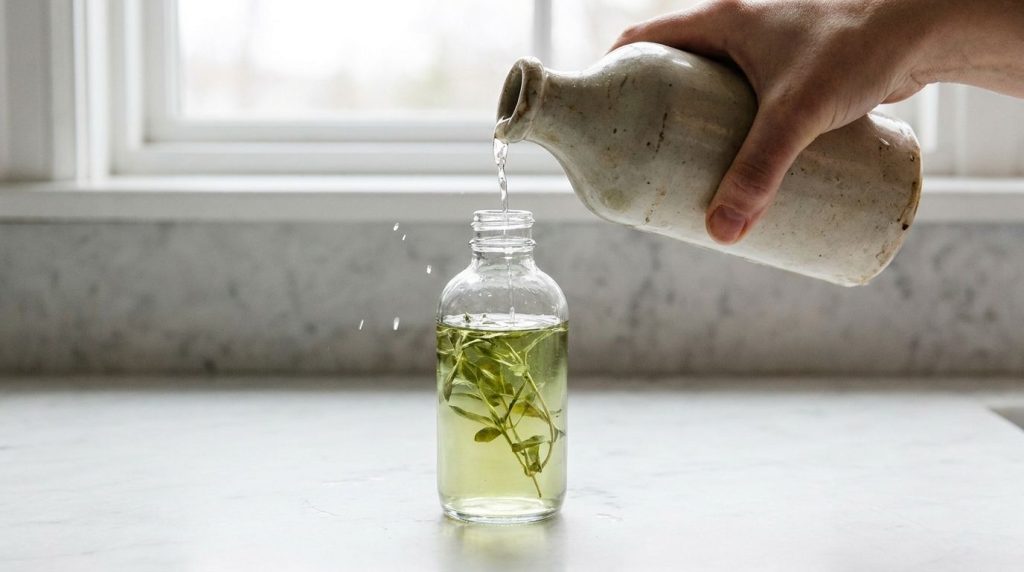
- First, brew your green tea and allow it to cool completely. Ensure it’s at room temperature before mixing.
- In a clean, dark-colored glass spray bottle or jar, combine the cooled green tea, apple cider vinegar, and rose water.
- If using, add 2-3 drops of your chosen essential oil.
- Close the bottle tightly and shake gently to mix all the ingredients thoroughly.
- Label your toner with the date it was made.
How to Use It
- After cleansing your face, gently shake your DIY toner bottle.
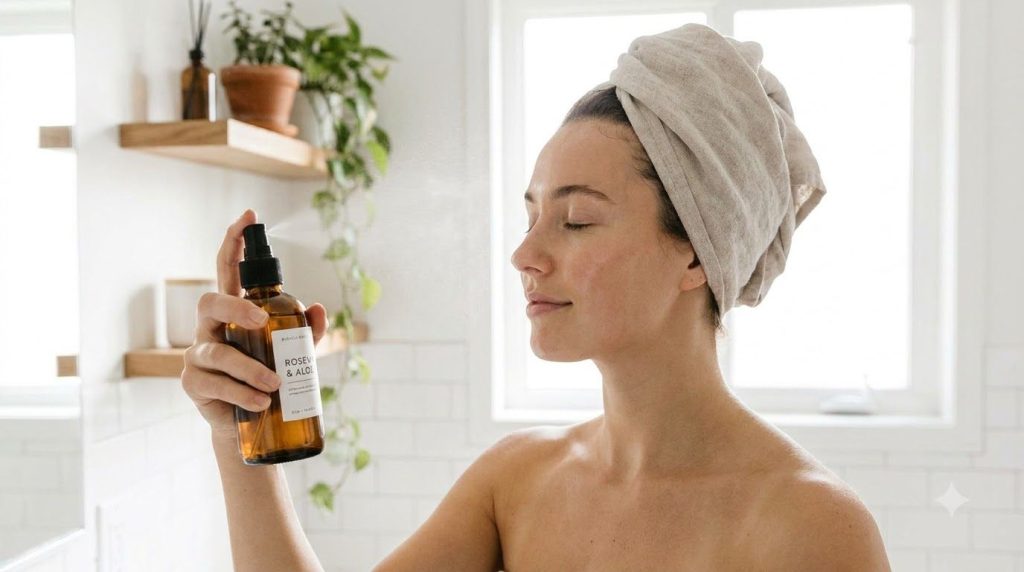
- Spritz a small amount onto a cotton pad or directly onto your clean hands.
- Gently dab or sweep the toner across your face and neck, avoiding the eye area.
- Allow the toner to absorb into your skin for a minute or two before applying your usual serum or moisturizer.
How Often to Use It
Start by using this toner once a day, preferably in your evening routine. If your skin responds well, you can increase usage to twice daily, in the morning and evening, after cleansing. Listen to your skin and adjust as needed.
Why These Ingredients Are Used
Green Tea
Green tea is cherished for its antioxidant properties, which can help protect the skin from environmental stressors. It’s often associated with promoting a calm and even-toned complexion, contributing to a healthy glow.
Apple Cider Vinegar
Organic apple cider vinegar is traditionally used to help balance the skin’s pH, which can support a clearer-looking complexion. Its gentle astringent qualities may also help with the appearance of tightened pores and a smoother skin texture.
Rose Water
Known for its soothing and hydrating properties, rose water helps to refresh and calm the skin. It adds a lovely natural scent and can leave your skin feeling soft and supple.
What Results to Expect
With consistent use, this natural toner may help your skin appear more radiant and refreshed. You might notice a visible improvement in the appearance of your pores, making them seem tighter and less noticeable. It can also support a more even-looking skin tone and a smoother texture. While this recipe supports overall skin vitality, it aims to enhance your skin’s natural beauty rather than claiming to ‘boost collagen’ directly.
Safety Notes
- Patch test first: Always apply a small amount of the toner to an inconspicuous area of your skin (like behind your ear or on your inner arm) and wait 24 hours to check for any adverse reactions before applying it to your face.
- Use gently: Avoid harsh scrubbing or rubbing. Gently dab or sweep the toner across your skin.
- Avoid irritated or broken skin: Do not use this toner on skin that is irritated, broken, or has active breakouts, as it may cause further discomfort.
- Stop using if discomfort occurs: If you experience any redness, itching, burning, or irritation, discontinue use immediately.
- Store properly: Keep your homemade toner in a dark, cool place or the refrigerator to prolong its freshness, as it contains no artificial preservatives. Use within 1-2 weeks.
FAQ
How long can I store this homemade toner?
Due to the lack of artificial preservatives, this toner is best used within 1 to 2 weeks if stored in the refrigerator. Always check for any changes in scent or appearance before use.
Can I substitute the ingredients?
While the combination is designed for specific benefits, you can experiment. For example, witch hazel can be used instead of apple cider vinegar for its astringent properties, though the pH balancing effect may differ. Always research ingredients and patch test new combinations.
Is this toner suitable for all skin types?
This toner is generally well-tolerated, but individual results vary. Those with very sensitive skin should use apple cider vinegar in a more diluted form or opt for a gentler alternative like plain rose water or diluted green tea. Always perform a patch test.
Final Thoughts
Embrace the simplicity and effectiveness of natural ingredients in your beauty routine. This DIY skin toner offers a wonderful way to support a radiant, smoother-looking complexion using items you might already have in your pantry. Give it a try and discover the difference natural care can make for your skin! Don’t forget to share your experience in the comments below.