Most people walk past the cheerful calendula flower without realizing they’re overlooking a powerhouse of traditional soothing. While its vibrant petals often adorn gardens for beauty, this humble bloom holds a secret cherished by our grandparents: a gentle, yet potent ability to comfort the skin and support natural healing. It’s not about grand gestures, but the quiet, consistent relief calendula offers for everyday irritations. Let’s reawaken this ancestral wisdom and learn how to harness its benefits.
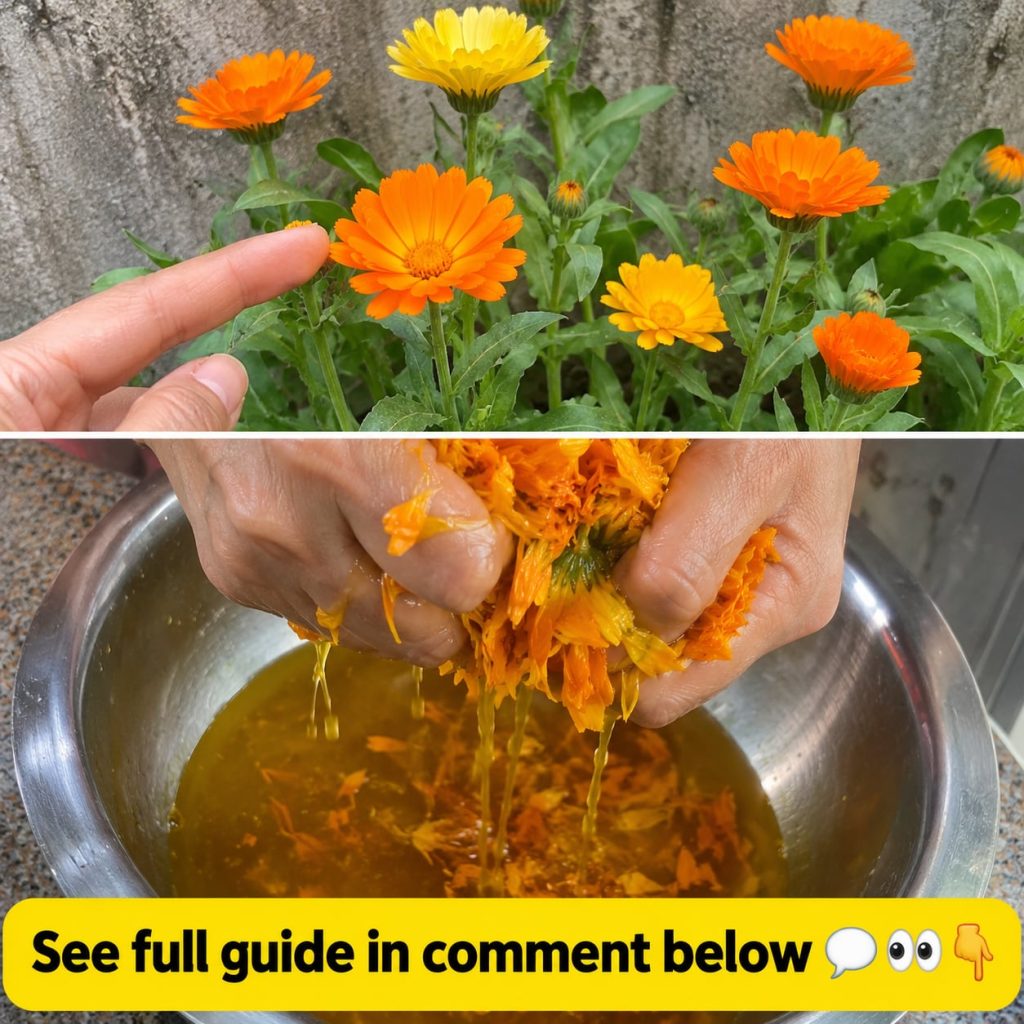
What It Is: The Gentle Giant of Herbalism
Calendula (Calendula officinalis), often known as pot marigold, is a cheerful, sun-loving flower primarily used for its remarkable skin-soothing and restorative properties. Unlike other marigolds, this specific variety is prized in herbal traditions for its anti-inflammatory and antiseptic qualities. The power lies primarily in its brightly colored petals, which contain flavonoids, triterpenes, and carotenoids – compounds believed to contribute to its healing effects. From minor cuts and scrapes to dry, irritated skin, calendula offers a gentle touch that has been trusted for generations.
Your Daily Remedy: Simple Calendula Oil Infusion
One of the most effective and versatile ways to use calendula is by creating an infused oil. This oil can then be used directly or as a base for salves, creams, and lotions. It’s a simple DIY project that brings the plant’s benefits directly to your fingertips.
Ingredients
- 1 cup dried calendula flowers (petals and flower heads are fine)
- 2 cups carrier oil (e.g., olive oil, sweet almond oil, jojoba oil)
Approximate Measurements
The ratio of calendula to oil is flexible, but a good starting point is a 1:2 ratio of dried plant material to oil by volume. For fresh calendula, you’ll need more plant material (around 1.5-2 cups) due to its water content, but ensure it’s wilted to reduce moisture before infusing to prevent spoilage.
Quick Tip: Always use dried calendula for oil infusions to prevent mold. If you’re using fresh, allow the flowers to wilt for a day or two to reduce moisture content significantly.
Formula / Recipe: The Slow Infusion Method
The slow, cold infusion method is preferred for calendula to gently extract its beneficial compounds without degrading delicate elements with excessive heat.
- Prepare the Flowers: Ensure your dried calendula flowers are free from any stems or leaves.
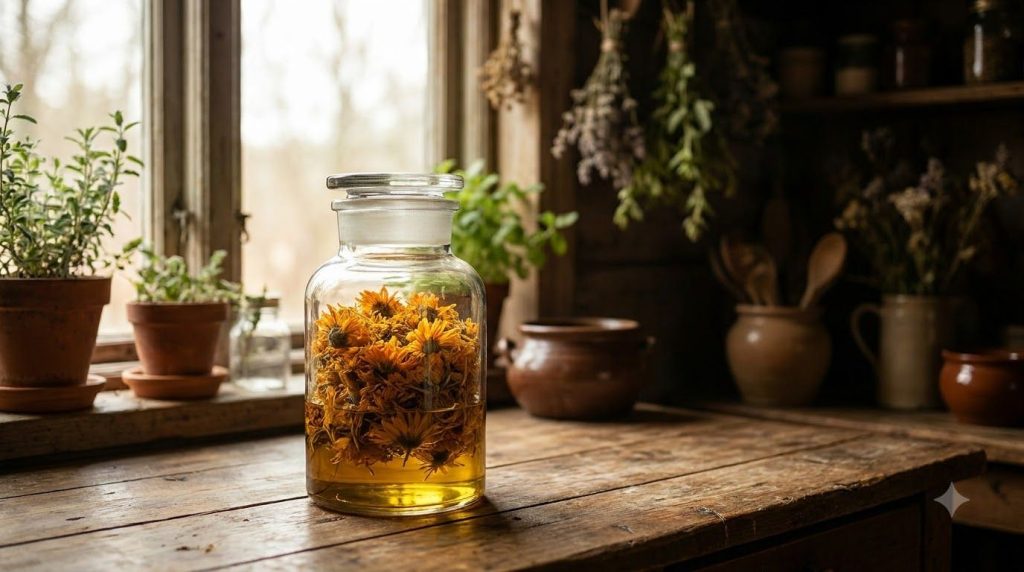
- Combine: Place the dried calendula flowers into a clean, dry glass jar (like a Mason jar). Pour the carrier oil over the flowers, ensuring they are completely submerged. Use a knife or spoon to release any trapped air bubbles.
- Seal and Store: Seal the jar tightly with a lid. Place the jar in a cool, dark place, away from direct sunlight.
- Infuse: Allow the calendula to infuse for 4-6 weeks. Shake the jar gently every few days to redistribute the flowers and oil.
- Strain: After the infusion period, strain the oil through a fine-mesh sieve lined with cheesecloth. Squeeze the flowers firmly to extract all the oil.
- Bottle: Pour the finished calendula-infused oil into a clean, dark glass bottle.
How to Use Calendula-Infused Oil
Once you have your homemade calendula oil, the possibilities for practical use are abundant. It’s incredibly soothing for various skin issues:
- For Minor Skin Irritations: Apply a small amount directly to minor cuts, scrapes, insect bites, or rashes. Its gentle nature makes it suitable for sensitive skin.
- Dry Skin Relief: Massage into dry patches on the face, hands, or body for intense moisturization.
- Baby Care: A gentle massage oil for babies or to soothe diaper rash (patch test first).
- Post-Sun Soother: Apply to skin after sun exposure to help calm and hydrate.
- DIY Salves and Balms: Use as a base for creating more solid topical remedies.
How Often to Use
For acute issues like a new rash or scrape, you can apply calendula oil 2-3 times a day until symptoms improve. For general skin maintenance, dry skin, or as a daily moisturizer, once a day is usually sufficient.
How to Buy / How to Choose Ingredients
Sourcing quality calendula and carrier oils is key to an effective remedy.
- Dried Calendula Flowers: Look for organic, culinary-grade dried flowers from reputable herbal suppliers. The color should be vibrant orange or yellow, not faded or brown.
- Carrier Oils: Choose cold-pressed, unrefined oils. Olive oil is a classic, but sweet almond, jojoba, or sunflower oil are also excellent choices depending on your skin type and preference.
Did You Know? The vibrant color of calendula petals comes from carotenoids, which are powerful antioxidants also found in carrots and squash.
Storage
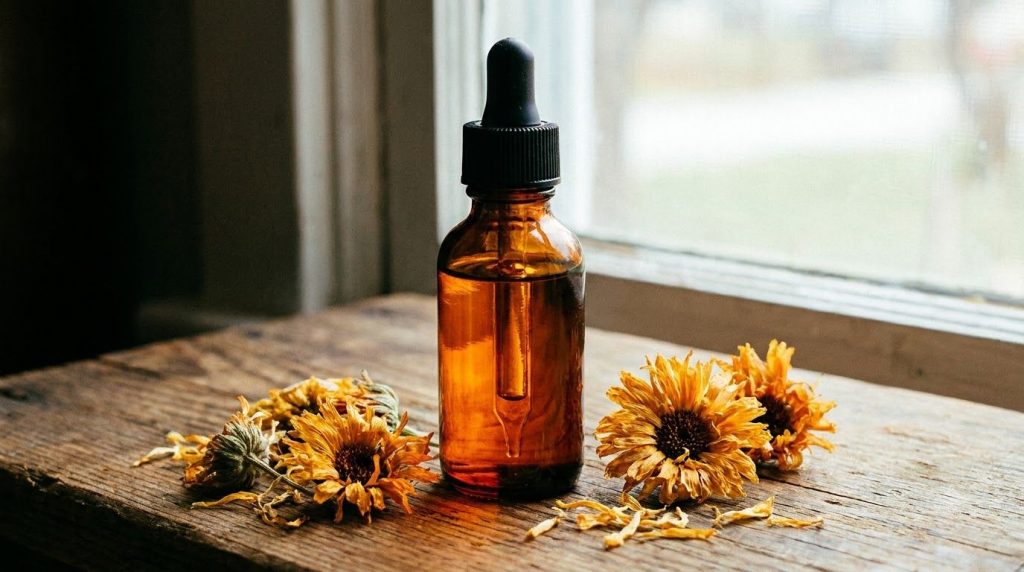
Store your finished calendula-infused oil in a dark glass bottle in a cool, dark place. Kept properly, it should last for at least 1-2 years, similar to the shelf life of the carrier oil you used. Always check for any signs of rancidity (an off smell) before use.
Practical Tips
- Label Clearly: Always label your homemade remedies with the ingredients and date of preparation.
- Patch Test: Before applying extensively, do a small patch test on your inner arm to ensure no allergic reaction.
- Enhance Potency: You can gently warm the oil infusion in a double boiler for a few hours (keep temperature below 150°F / 65°C) to speed up the infusion, but the cold method extracts more delicate compounds.
- Make a Salve: To make a simple salve, melt 1 part beeswax pellets with 4 parts calendula oil in a double boiler. Pour into tins or jars and let cool.
Common Mistake: Using fresh calendula flowers directly in oil without thoroughly drying or wilting them. The water content can lead to mold and bacterial growth, ruining your entire batch of oil.
Comparison: Fresh vs. Dried Calendula for Infusions
| Feature | Fresh Calendula (Wilted) | Dried Calendula |
|---|---|---|
| Moisture Content | Low (after wilting) | Very Low |
| Risk of Spoilage | Higher, if not properly wilted | Very Low |
| Ease of Use | Requires wilting step | Ready to use |
| Potency | Potentially more vibrant compounds | Consistent potency |
| Availability | Seasonal | Year-round |
Cautions / Who Should Avoid It
Calendula is generally considered safe for topical use. However, individuals with allergies to plants in the Asteraceae/Compositae family (like ragweed, daisies, chrysanthemums) should use caution, as they may experience an allergic reaction. Discontinue use if irritation occurs. Pregnant or breastfeeding individuals should consult with a healthcare professional before using any new herbal remedies.
You may also like: The Power of Plantain: Nature’s Band-Aid for Minor Cuts
Quick Summary: Calendula for Skin Soothing
- Best Preparation: Slow oil infusion using dried calendula flowers.
- Best Use-Case: Soothing minor skin irritations, dry skin, and as a base for salves.
- Storage: Dark glass bottle, cool, dark place for 1-2 years.
- When to Use: Daily for general skin health, 2-3 times daily for acute issues.
- What to Avoid: Using fresh, unwilted flowers in oil infusions.
FAQ
- Can I use fresh calendula flowers for an oil infusion?
It’s generally recommended to use dried or thoroughly wilted fresh flowers to prevent water content from causing mold. - How long does calendula oil last?
When stored properly in a dark, cool place, it can last for 1-2 years, depending on the shelf life of your carrier oil. - Can I refrigerate calendula oil?
While not strictly necessary, refrigerating can extend its shelf life, especially in warmer climates. Some carrier oils may solidify, but will return to liquid at room temperature. - How often should I apply calendula oil?
For general skin hydration, once daily. For acute skin issues like rashes or minor cuts, 2-3 times a day. - What part of the calendula plant is best for remedies?
The petals and full flower heads are primarily used for their medicinal properties. - Can I reuse the calendula flowers after straining the oil?
No, the beneficial compounds have been largely extracted, so the spent flowers won’t offer much further benefit. - When should I avoid using calendula?
Avoid if you have known allergies to plants in the daisy family. Pregnant or breastfeeding individuals should consult a doctor.
Continue with: Homemade Lavender Salve: Your Guide to Calming Skin
Reclaiming the Simple Wisdom
The secret of calendula isn’t really a secret at all; it’s a testament to the enduring power of simple, natural remedies passed down through generations. By understanding how to properly prepare and use calendula oil, you’re not just making a natural remedy; you’re connecting with a heritage of practical care. This golden flower reminds us that sometimes, the most effective solutions are found right outside our door, waiting to be rediscovered. Embrace the gentle touch of calendula and experience its comforting power for yourself.
