Most people ignore or discard guava leaves without a second thought, fixated solely on the sweet, tropical fruit. However, the true treasure for natural wellness often lies in the overlooked parts of a plant. For centuries, traditional healers have understood what modern consumers are just beginning to rediscover: guava leaves are packed with surprising health secrets, offering a simple yet potent remedy for various everyday concerns.
These unassuming leaves, often pruned away, hold a powerful profile of beneficial compounds that can be easily harnessed at home. If you’ve been overlooking them, you’ve been missing out on an accessible, natural addition to your wellness routine. Let’s dive into how you can tap into the hidden potential of guava leaves.
What Are Guava Leaves and Why They Matter?
Guava leaves come from the guava tree (Psidium guajava), a small tropical tree native to Mexico, Central America, and South America. While the fruit is celebrated for its taste and high vitamin C content, the leaves are often the star in traditional remedies. They contain compounds like flavonoids, tannins, and carotenoids, which are responsible for their antioxidant, anti-inflammatory, and antimicrobial properties.
These properties make guava leaves a versatile ingredient for everything from digestive support to skin care. Instead of reaching for complex solutions, many find simple guava leaf preparations surprisingly effective for common ailments, often with ingredients readily available or easy to cultivate.
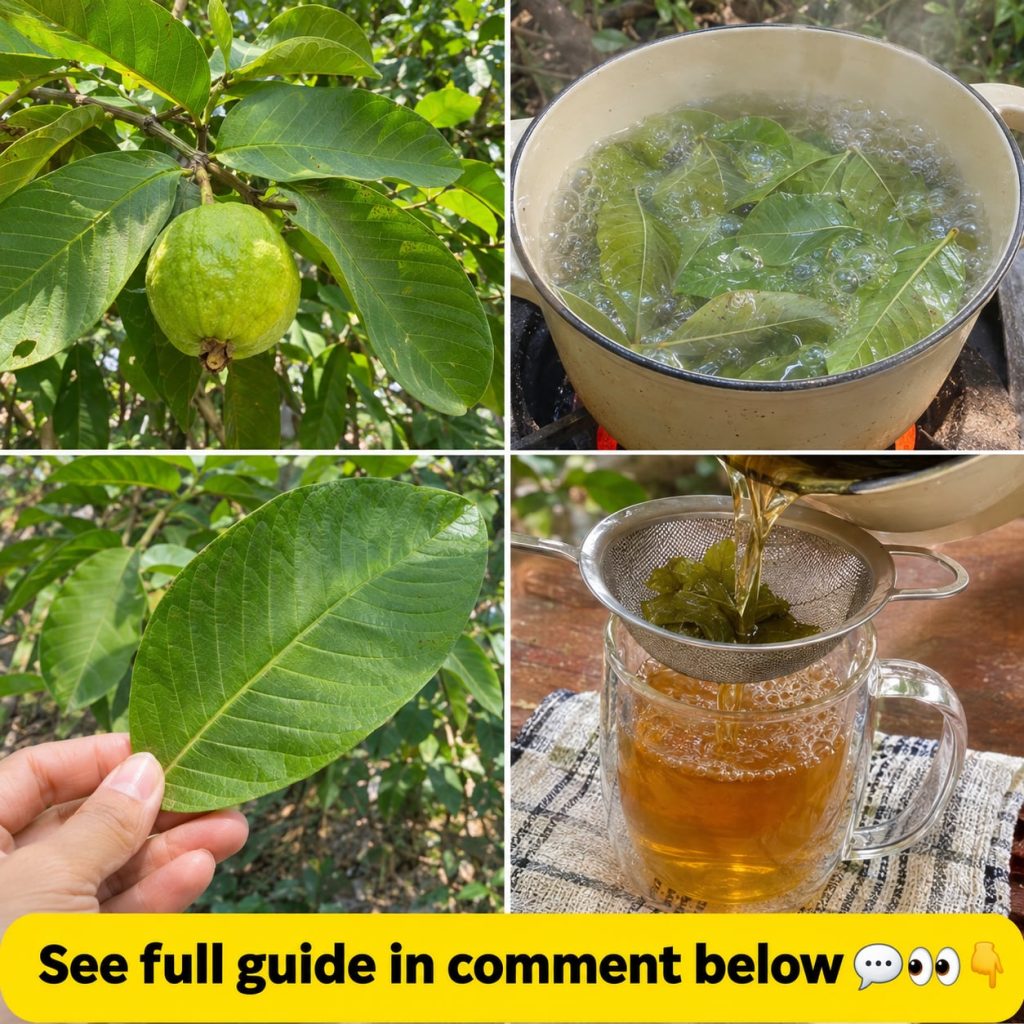
Brewing Your Own Guava Leaf Tea: The Simple Recipe
One of the easiest and most effective ways to utilize guava leaves is by brewing them into a tea. This preparation allows you to extract their beneficial compounds into a comforting and versatile beverage.
Ingredients
- Fresh guava leaves (about 10-15 medium-sized leaves) OR Dried guava leaves (1-2 tablespoons)
- Water (2 cups)
- Optional: Honey or lemon to taste (after brewing)
Approximate Measurements
For a standard cup of tea, aim for roughly 5-7 fresh leaves or 1 teaspoon of dried leaves per cup of water. Adjust according to your desired strength and personal preference.
Step-by-Step Method
- Preparation: If using fresh leaves, thoroughly wash them under cold running water to remove any dirt or debris.
- Simmering: Place the clean fresh leaves (or dried leaves) into a small saucepan. Add 2 cups of water. Bring the water to a boil, then immediately reduce the heat to a simmer.
- Steeping: Let the leaves simmer gently for 10-15 minutes. This slow simmer helps to extract the active compounds without over-reducing the liquid.
- Strain: Remove the saucepan from the heat. Carefully strain the liquid into a mug, discarding the used leaves.
- Enjoy: Your guava leaf tea is ready! You can drink it warm or let it cool down. Add honey or a squeeze of lemon if desired.
How to Use Guava Leaf Tea
The versatility of guava leaf tea extends beyond just drinking it. Here are two primary ways to incorporate this remedy:
- Internal Use (Drinking): The most common use is to drink the tea for digestive support, blood sugar management support (always consult a doctor), or general wellness. Its mild, earthy flavor makes it a pleasant beverage.
- Topical Use (Rinse/Compress): Once cooled, the tea can be used as a skin rinse for various skin concerns, a hair rinse for scalp health, or applied as a compress to soothe minor skin irritations.
How Often to Enjoy This Remedy
For general wellness or specific concerns, many people find benefit in drinking 1-2 cups of guava leaf tea per day. For topical applications, it can be used daily or as needed, depending on the issue. Always listen to your body and adjust frequency accordingly.
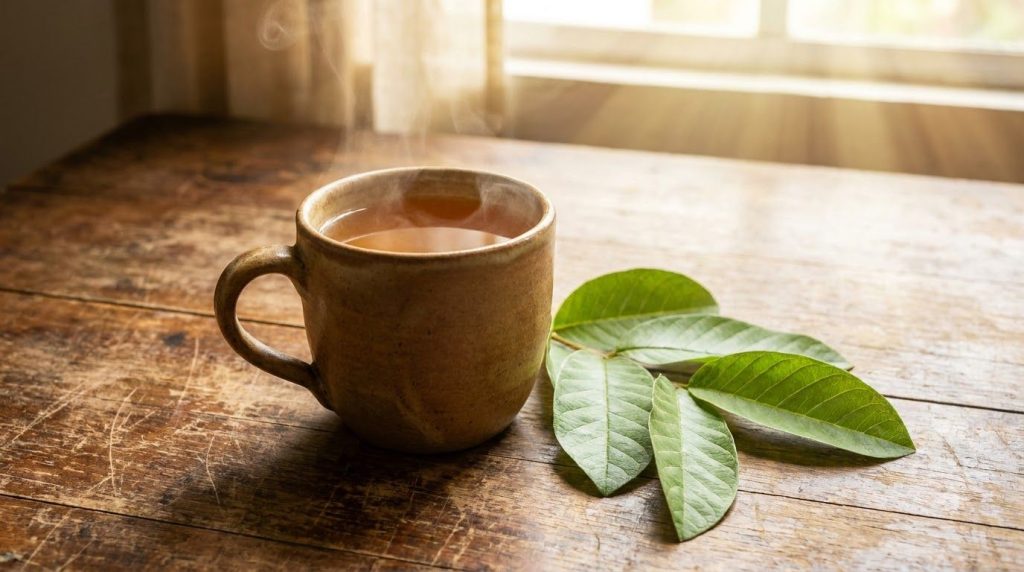
Quick Tip: Fresh vs. Dried Guava Leaves
| Feature | Fresh Guava Leaves | Dried Guava Leaves |
|---|---|---|
| Availability | Seasonal, requires a tree | Year-round, often online |
| Potency | Potentially higher in some fresh compounds | Concentrated, easier to store |
| Preparation | Wash thoroughly, simmer | Measure, simmer/steep |
| Flavor | Brighter, slightly more herbaceous | Earthier, more robust |
| Storage | Refrigerate for a few days | Airtight container, cool, dark place for months |
Buying and Choosing Quality Guava Leaves
If you don’t have access to a guava tree, you can purchase dried guava leaves from health food stores, Asian markets, or online retailers. When choosing, look for:
- Organic Certification: This ensures the leaves haven’t been treated with pesticides.
- Whole Leaves: Opt for whole or minimally processed leaves over finely powdered versions, as they retain more potency.
- Vibrant Color: Dried leaves should still have a somewhat green hue, not appear brown or faded.
- Reputable Source: Buy from suppliers known for quality herbal products.
Proper Storage for Maximum Potency
Proper storage is key to maintaining the potency and freshness of your guava leaves, whether fresh or dried.
- Fresh Leaves: Store fresh leaves in a plastic bag in the refrigerator for up to 3-5 days. For longer storage, you can blanch and freeze them for a few weeks, though fresh is always best.
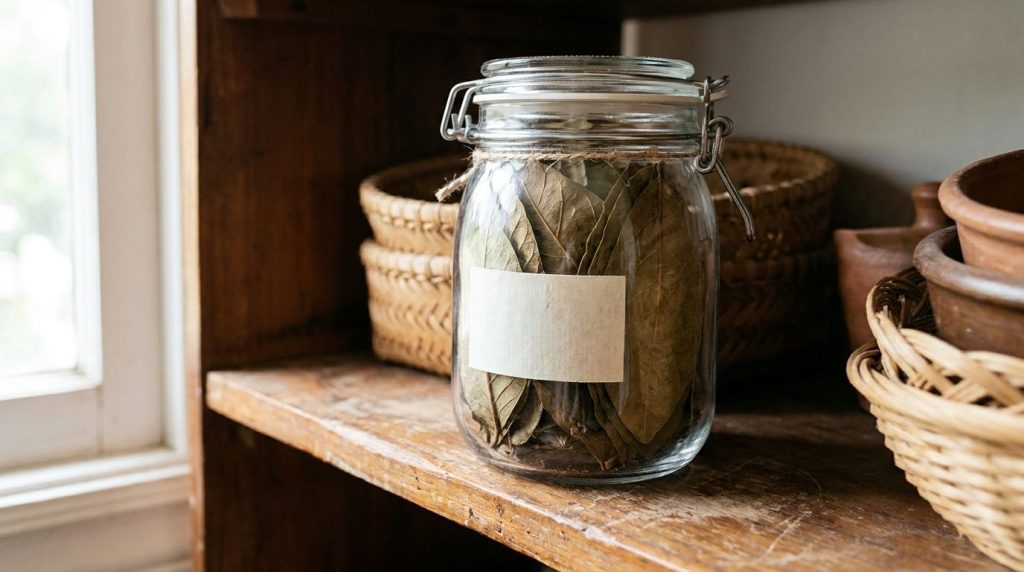
- Dried Leaves: Keep dried guava leaves in an airtight container in a cool, dark, and dry place. Protected from light and moisture, they can last for up to 6 months to a year without significant loss of potency.
Common Mistakes to Avoid
Even with a simple remedy like guava leaf tea, a few common pitfalls can diminish its effectiveness:
- Boiling Too Vigorously: Harsh boiling can degrade some of the beneficial compounds. Always opt for a gentle simmer.
- Using Sprayed Leaves: If harvesting from a garden, ensure the leaves haven’t been treated with chemical pesticides. Always choose organic or unsprayed sources.
- Ignoring Cleanliness: Unwashed fresh leaves can introduce dirt or contaminants into your tea.
- Storing Improperly: Leaving dried leaves exposed to air and light will cause them to lose their potency and flavor quickly.
- Expecting Instant Cures: Natural remedies work subtly and require consistent use for noticeable effects.
Cautions: Who Should Steer Clear?
While generally considered safe for most, some individuals should exercise caution or avoid guava leaf preparations:
- Pregnancy and Breastfeeding: Limited research exists on the safety of guava leaves during pregnancy and lactation. It’s best to avoid or consult a healthcare professional.
- Diabetes Medication: Guava leaves may lower blood sugar levels. If you are on diabetes medication, monitor your blood sugar closely and consult your doctor to avoid hypoglycemia.
- Surgery: Due to potential effects on blood sugar, discontinue use at least two weeks before any scheduled surgery.
- Allergies: If you have allergies to guava fruit or other plants in the Myrtaceae family, proceed with caution.
Always consult with a healthcare provider before introducing any new herbal remedy, especially if you have underlying health conditions or are taking medications.
Quick Summary
Guava leaves offer a simple, natural remedy, primarily used as a tea for digestive support and general wellness. To prepare, simmer 10-15 fresh or 1-2 tbsp dried leaves in 2 cups of water for 10-15 minutes, then strain. Drink 1-2 cups daily or use topically. Store fresh leaves in the fridge for a few days and dried leaves in an airtight container in a cool, dark place for longer shelf life. Avoid harsh boiling and always use clean, unsprayed leaves. Those pregnant, breastfeeding, or on diabetes medication should consult a doctor before use.
Frequently Asked Questions (FAQ)
Can I use fresh or dried guava leaves?
Both fresh and dried leaves can be used. Fresh leaves offer a brighter flavor, while dried leaves are more convenient for storage and year-round use.
How long does guava leaf tea last?
Freshly brewed guava leaf tea is best consumed within 24 hours if refrigerated. After that, its potency and freshness begin to decline.
Can I refrigerate guava leaf tea?
Yes, you can refrigerate brewed tea in a sealed container for up to 24 hours. Enjoy it cold or gently reheat it.
How often should I use it?
For general wellness, 1-2 cups per day is a common recommendation. For specific topical uses, it can be applied daily or as needed.
Can I freeze the leaves?
You can blanch fresh leaves and freeze them for a few weeks, but for tea, fresh or properly dried leaves are generally preferred for optimal flavor and compound extraction.
What part of the guava plant is best for remedies?
While the fruit is nutritious, the leaves are specifically prized for their concentrated medicinal compounds, making them the primary choice for remedies like tea or rinses.
When should I avoid guava leaf preparations?
Avoid if pregnant, breastfeeding, or if you have a scheduled surgery. Individuals on diabetes medication should consult a doctor due to its potential to lower blood sugar.
Conclusion
The next time you see a guava tree, remember that its most valuable secrets might not be in the fruit, but in its humble leaves. By incorporating simple guava leaf preparations into your routine, you can tap into a wellspring of traditional wisdom and natural support for your well-being. It’s a testament to nature’s quiet power, often hidden in plain sight, waiting for us to rediscover its potential.
You may also like: The Ultimate Guide to Herbal Teas for Wellness
Read more: Natural Skincare: Simple DIY Recipes for Radiant Skin
