Most people aggressively pull this spiky plant from their gardens, cursing its thorny seeds that cling to everything. But what if that ‘nuisance’ was actually a potent botanical ally, secretly valued by herbalists for centuries? It’s time to look beyond the prickles and discover the surprising potential of Puncture Vine, also known as Tribulus Terrestris.
This article dives deep into transforming a common yard weed into a practical, accessible home remedy. We’ll explore how to prepare it, what parts to use, and how to safely incorporate it into your wellness routine, proving that sometimes, the most valuable remedies are hiding in plain sight.
What is Puncture Vine (Tribulus Terrestris)?
Puncture Vine, botanically known as Tribulus Terrestris, is an annual plant in the caltrop family, native to warm temperate and tropical regions worldwide. It’s easily recognizable by its small, yellow flowers and, most notably, its sharp, spiky seed pods. These burrs are responsible for its common name, as they can ‘puncture’ tires or animal paws. Historically, various parts of the plant, including the fruit, leaves, and roots, have been used in traditional medicine systems like Ayurveda and Traditional Chinese Medicine for a wide range of applications.
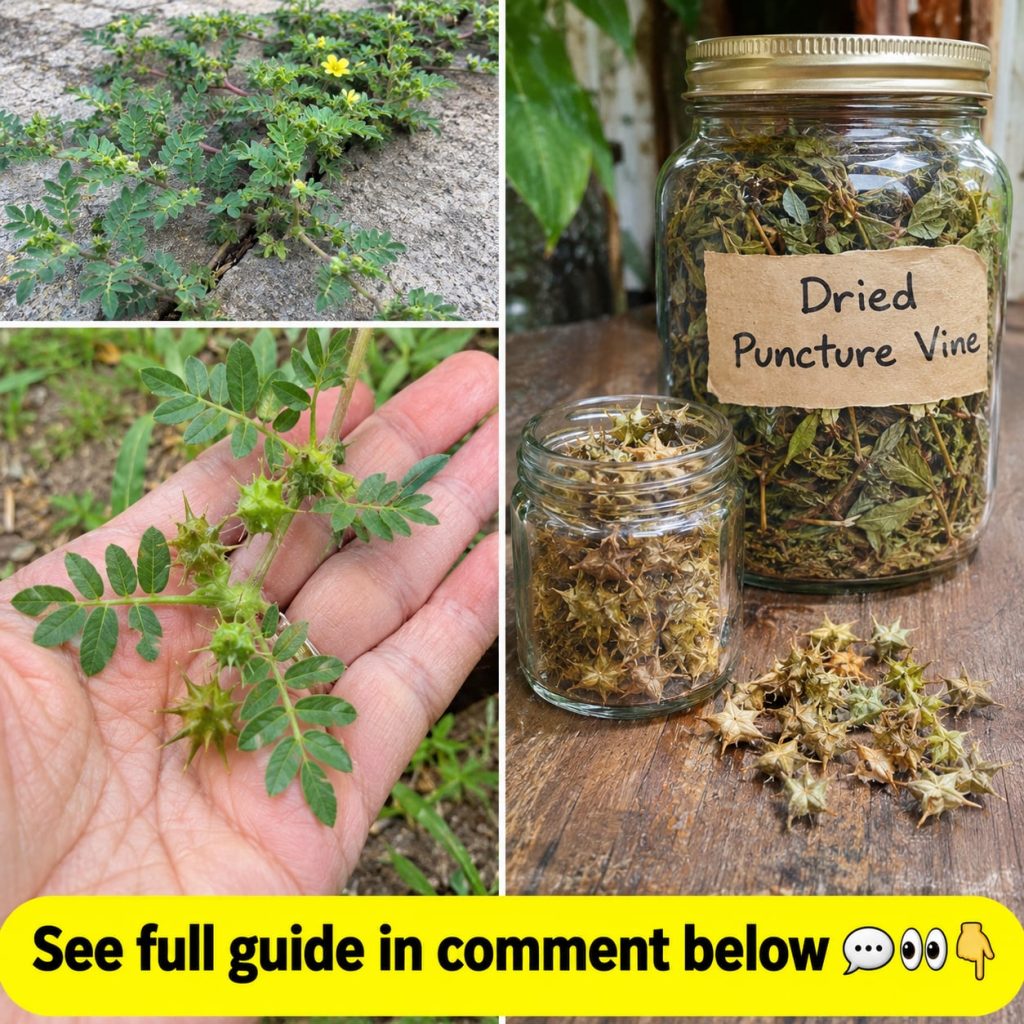
Ingredients for a Puncture Vine Decoction
For a basic Puncture Vine remedy, a decoction is often preferred, especially when using the tougher parts of the plant like the fruits or roots, as it allows for better extraction of beneficial compounds. You’ll primarily need dried Puncture Vine material.
- Dried Puncture Vine Material: 1-2 tablespoons (fruits, leaves, or a mix)
- Water: 2 cups (filtered is best)
Formula / Recipe: Puncture Vine Decoction
This simple formula will yield approximately 1.5 cups of decoction, suitable for a single serving or two smaller doses.
Step-by-Step Method
- Prepare the Herb: If using whole dried fruits, lightly crush them to expose more surface area. This can be done with a mortar and pestle or by placing them in a bag and gently pressing with a heavy object.
- Combine Ingredients: Place the 1-2 tablespoons of dried Puncture Vine material into a small saucepan. Add 2 cups of filtered water.
- Bring to a Boil: Heat the mixture over medium-high heat until it reaches a rolling boil.
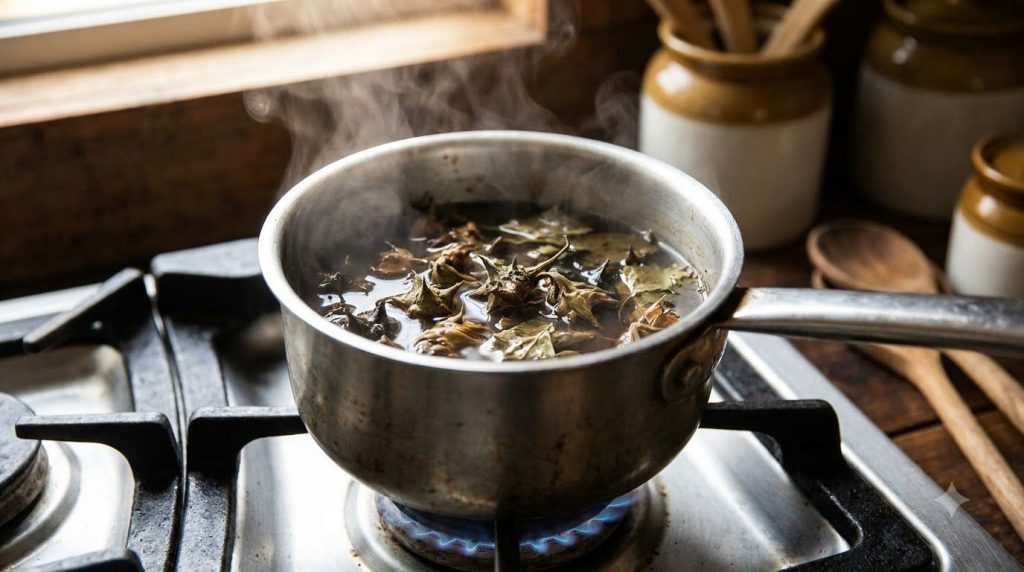
- Simmer: Reduce the heat to low, cover the saucepan, and let it simmer gently for 15-20 minutes. This slow simmer is crucial for extracting the compounds from the tougher plant parts.
- Cool and Strain: Remove the saucepan from the heat and allow the decoction to cool slightly. Strain the liquid through a fine-mesh sieve into a mug or heat-proof container, discarding the spent plant material.
- Serve: Your Puncture Vine decoction is ready to use.
How to Use
The Puncture Vine decoction is typically consumed orally. You can drink it warm or let it cool to room temperature. Some prefer to add a touch of honey or lemon to improve the taste, as it can be quite earthy and slightly bitter.
How Often to Use
For general wellness support, a common recommendation is to consume 1 cup of the decoction once or twice daily. It’s often suggested to take it for a period, then take a break, to assess its effects and avoid potential habituation. Always start with a lower dose to see how your body reacts.
Quick Tip: Best Time to Use It
Many find it beneficial to drink Puncture Vine decoction in the morning or early afternoon. Due to its potential stimulating properties, avoiding it right before bedtime might be wise for some individuals.
How to Buy / How to Choose Ingredients
While Puncture Vine is indeed a common ‘weed,’ foraging for it requires extreme caution. Misidentification is a risk, and more importantly, plants growing in public or agricultural areas may have been treated with pesticides or herbicides. It’s generally safer and recommended to purchase dried Puncture Vine from reputable herbal suppliers or health food stores.
Fresh vs. Dried Puncture Vine
When considering using Puncture Vine, the form you choose can impact its potency and safety. Here’s a quick comparison:
| Feature | Fresh Puncture Vine | Dried Puncture Vine (Commercially Sourced) |
|---|---|---|
| Availability | Seasonal, depends on location | Year-round from suppliers |
| Safety | High risk of misidentification, pesticide exposure, thorns | Safer if sourced from reputable suppliers (quality control) |
| Potency | Potentially higher if harvested correctly, but variable | Standardized compounds in some extracts; consistent quality |
| Preparation | More effort, cleaning, potential for thorns | Easy to use in decoctions, teas, tinctures |
| Storage | Limited shelf life, must be used fresh or dried properly | Longer shelf life if stored correctly (months to a year) |
Storage
- Dried Herb: Store dried Puncture Vine material in an airtight container, away from direct sunlight, heat, and moisture. A cool, dark pantry is ideal. It can last for 6-12 months while retaining good potency.
- Prepared Decoction: Any leftover decoction should be stored in a sealed container in the refrigerator. It is best consumed within 24-48 hours. Beyond that, its potency may diminish, and spoilage risk increases.
Practical Tips
- Enhance Flavor: If the taste is too strong, try adding a cinnamon stick or a few cloves during the simmering process. A squeeze of fresh lemon juice after straining can also brighten the flavor.
- Combination with Other Herbs: Puncture Vine is often combined with other adaptogenic or supportive herbs. Consult with a qualified herbalist for synergistic combinations relevant to your specific needs.
- Listen to Your Body: Pay attention to how your body responds. If you experience any discomfort, discontinue use.
Common Mistakes
- Misidentification: Assuming any spiky plant is Puncture Vine can lead to using the wrong, potentially harmful, plant. Always be 100% sure of your identification if foraging.
- Using Sprayed Plants: Foraging from areas that may have been treated with pesticides or herbicides is dangerous and negates any potential health benefits.
- Boiling Too Long/Not Long Enough: A decoction requires simmering, not just steeping like a tea, to extract compounds from tough parts. However, excessively long boiling can degrade some constituents. Stick to the 15-20 minute recommendation.
- Ignoring Cautions: Failing to consider contraindications or potential drug interactions can lead to adverse effects.
Did You Know?
The spiky fruits of Puncture Vine are not just a nuisance; they are considered one of the most potent parts of the plant in traditional medicine, particularly for their saponin content.
Cautions / Who Should Avoid It
While Puncture Vine is generally considered safe for most adults when used appropriately, certain individuals should exercise caution or avoid it entirely:
- Pregnant and Breastfeeding Women: Due to insufficient research, it is best to avoid Puncture Vine.
- Individuals with Hormone-Sensitive Conditions: Some studies suggest Tribulus Terrestris may affect hormone levels, so individuals with conditions like prostate issues, breast cancer, or uterine fibroids should consult a doctor before use.
- People on Certain Medications: Puncture Vine may interact with medications for blood pressure, diabetes, or heart conditions. Always consult your healthcare provider if you are on medication.
- Children: Its use is not recommended for children.

Quick Summary
Puncture Vine, or Tribulus Terrestris, is a common plant with a rich history in traditional remedies. Here’s what to remember:
- Best Preparation: Decoction (simmering) is ideal for extracting compounds from tougher parts like fruits and roots.
- Best Use-Case: Traditionally used for overall vitality and various supportive roles; research its specific traditional benefits.
- Storage: Dried herb in airtight containers, decoction refrigerated for up to 48 hours.
- When to Use: 1-2 cups daily, preferably not right before bed.
- What to Avoid: Misidentification, foraging from sprayed areas, neglecting cautions, especially for pregnant/breastfeeding women or those with hormone-sensitive conditions.
FAQ
- Can I use fresh Puncture Vine? While possible, it’s generally recommended to use dried, commercially sourced material due to risks of misidentification, thorns, and pesticide exposure with fresh, foraged plants.
- How long does the Puncture Vine decoction last? The prepared decoction should be refrigerated and consumed within 24-48 hours.
- What part of the Puncture Vine plant is best to use? The fruits are often considered the most potent part, but leaves and roots are also used traditionally. Many commercial products use a blend.
- Can I reuse the Puncture Vine material for another batch? It’s not recommended. The beneficial compounds are mostly extracted during the first decoction, leaving little for a second use.
- When should I avoid Puncture Vine? Avoid if pregnant, breastfeeding, or have hormone-sensitive conditions. Consult a doctor if you are on medications for blood pressure, diabetes, or heart conditions.
- Is there a difference between Puncture Vine and Tribulus Terrestris? No, Tribulus Terrestris is the botanical name for Puncture Vine; they refer to the same plant.
You may also like: See our full guide on making herbal tinctures at home.
Conclusion
Puncture Vine, often dismissed as a mere nuisance, stands as a testament to the hidden potential within our natural environment. By understanding its traditional uses and proper preparation, this ‘yard weed’ can indeed become a valuable addition to your home remedy toolkit. Remember to prioritize safety through proper sourcing and always consult healthcare professionals with any concerns.
Related remedy: Discover other healing herbal teas for daily wellness.