Most people instantly think of the soothing gel when ‘aloe vera’ comes to mind. It’s the familiar hero for sunburns, skin irritations, and even digestive support. But what if we told you that another part of this incredible plant holds surprising benefits that most people simply ignore? We’re talking about the vibrant, often-overlooked aloe vera flowers.
While the gel gets all the glory, the delicate blossoms of the aloe plant contain unique compounds that have been traditionally used in various wellness practices. These flowers, ranging in color from yellow to orange and red, are not just beautiful; they offer a distinct profile of phytonutrients that can complement the well-known benefits of the aloe leaf. Learning to harness their power can add a new dimension to your natural remedy toolkit.
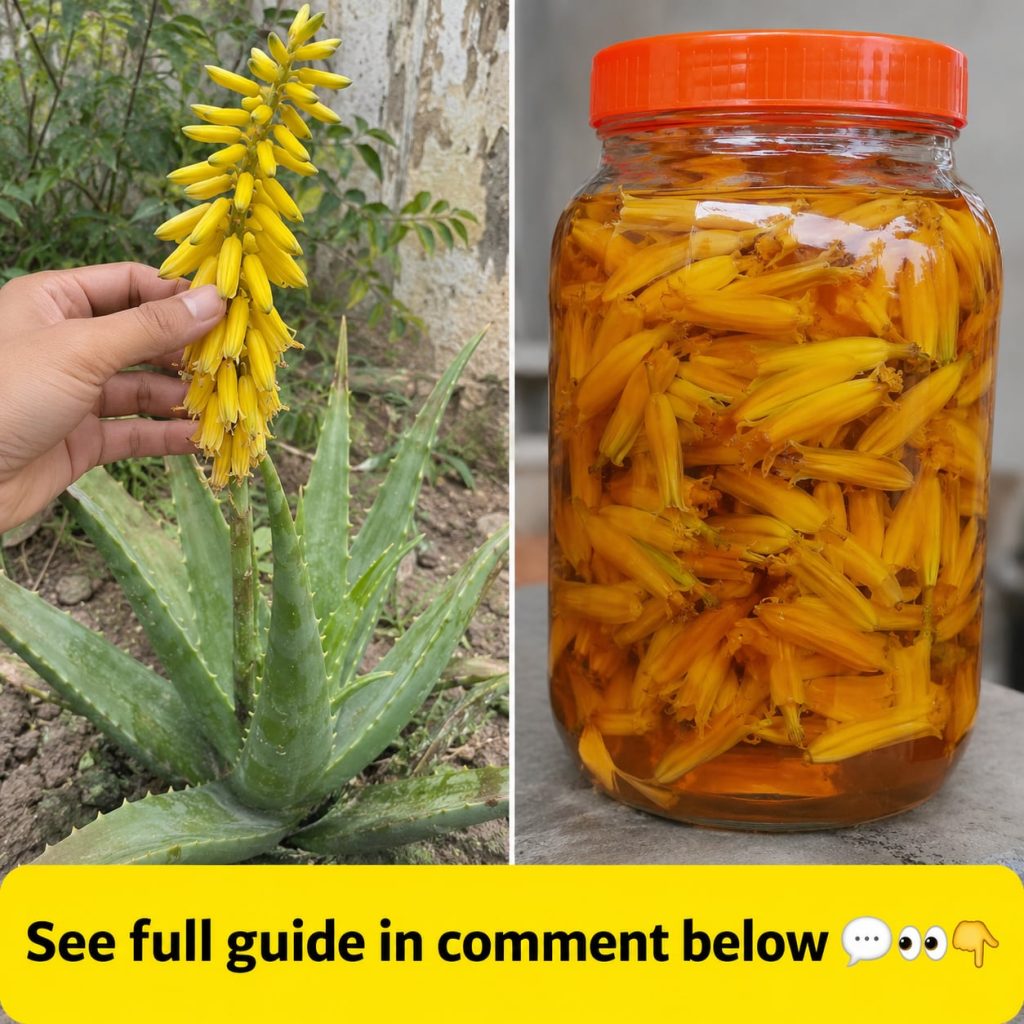
What Are Aloe Vera Flowers?
Aloe vera flowers emerge from a tall stalk that shoots up from the center of the mature aloe plant. These tubular flowers are typically found in warmer climates and are a signal of a well-established, healthy plant. Unlike the succulent leaves, the flowers have a delicate texture and a subtly sweet, sometimes slightly bitter, taste. Their unique composition makes them suitable for infusions, tinctures, and even culinary uses that leverage their distinct properties.
Simple Aloe Flower Tonic: Your Recipe
One of the easiest ways to utilize aloe vera flowers is by preparing a simple tonic or tea. This preparation allows you to extract water-soluble compounds, making it a gentle yet effective way to introduce their benefits into your routine.
Ingredients:
- 1/4 cup fresh aloe vera flowers (loosely packed)
- 2 cups filtered water
Approximate Measurements:
For a single serving, the above quantities are ideal. If you want to make a larger batch, maintain a ratio of 1 part flowers to 8 parts water.
Formula / Recipe:
- Gently harvest fresh aloe vera flowers.
- Rinse them lightly under cool water to remove any dust or small insects.
- Bring the filtered water to a boil.
- Remove water from heat and add the cleaned aloe vera flowers.
- Cover and let steep for 10-15 minutes.
- Strain the liquid, discarding the spent flowers.
- Allow the tonic to cool to a comfortable drinking temperature.
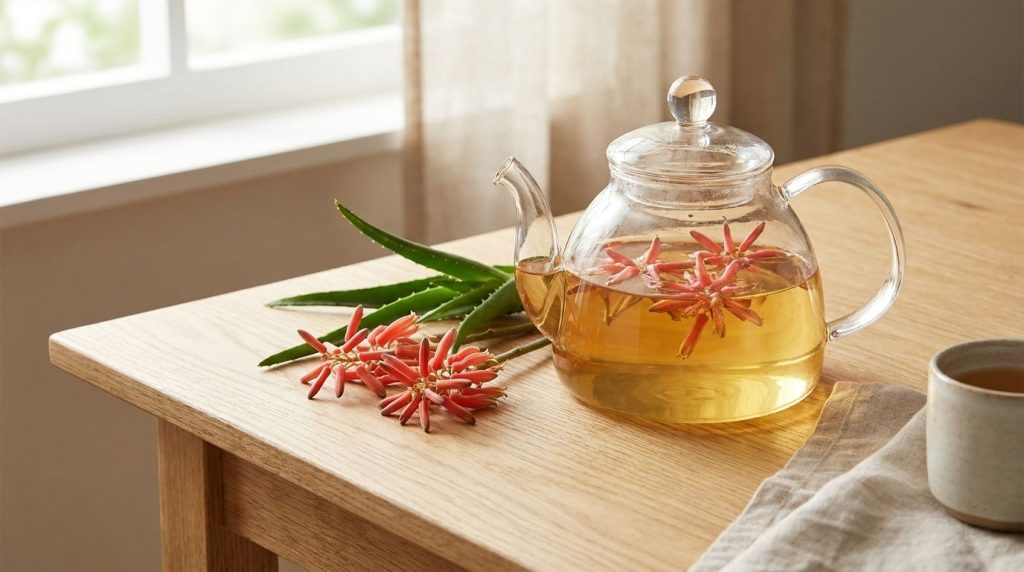
How to Use Your Aloe Flower Tonic
This tonic can be consumed internally as a soothing drink. It’s light and can be enjoyed plain or with a squeeze of lemon or a touch of honey for added flavor. Topically, the cooled tonic can be used as a facial rinse, a hair rinse, or applied as a compress to calm minor skin irritations.
How Often to Use
For internal use, one cup of the tonic per day is a good starting point. For topical applications, you can use it 2-3 times daily as needed. Always observe how your body responds and adjust frequency accordingly.
Quick Tip: Fresh vs. Dried Flowers
While fresh flowers are generally preferred for their potency and vibrant compounds, dried aloe vera flowers can also be used. When using dried flowers, reduce the quantity by half (e.g., 2 tablespoons dried flowers for 2 cups water) as their flavor and compounds are more concentrated. Store dried flowers in an airtight container away from direct sunlight.
How to Choose & Buy Ingredients
The best way to get aloe vera flowers is to grow your own aloe plant. Mature aloe plants (typically 2-4 years old) are more likely to flower. If you are harvesting from your own plant, ensure it hasn’t been treated with pesticides. If buying, look for organic sources or reputable herbal suppliers who can guarantee pesticide-free products.
Storage
The fresh aloe flower tonic is best consumed within 24-48 hours. Store it in an airtight glass jar in the refrigerator. For longer storage, consider freezing portions in ice cube trays for future use, especially for topical applications.
Practical Tips
- Combine with Mint: For a refreshing twist, add a few fresh mint leaves to your tonic during the steeping process.
- Soothing Compress: Dip a clean cloth in the cooled tonic and apply it to tired eyes or inflamed skin for a calming effect.
- Hair Rinse: After shampooing, use the cooled tonic as a final rinse to add shine and soothe the scalp.
You may also like: Read more about making your own floral tonics.
Common Mistakes to Avoid
- Using Sprayed Flowers: Never use flowers that have been treated with pesticides or herbicides. Always ensure your source is organic and chemical-free.
- Over-Boiling: Boiling the flowers directly or for too long can degrade some of the delicate compounds. Steeping off-heat is gentler and more effective.
- Using Withered Flowers: Harvest flowers when they are fresh and vibrant. Withered or discolored flowers will have reduced potency.
- Improper Storage: Leaving the tonic out at room temperature can lead to bacterial growth and spoilage. Always refrigerate promptly.
Cautions / Who Should Avoid It
While generally considered safe, some individuals might be sensitive to aloe vera. If you are pregnant, breastfeeding, or have underlying health conditions, consult with a healthcare professional before consuming any new herbal remedy. Always perform a patch test when using topically for the first time.
Quick Summary
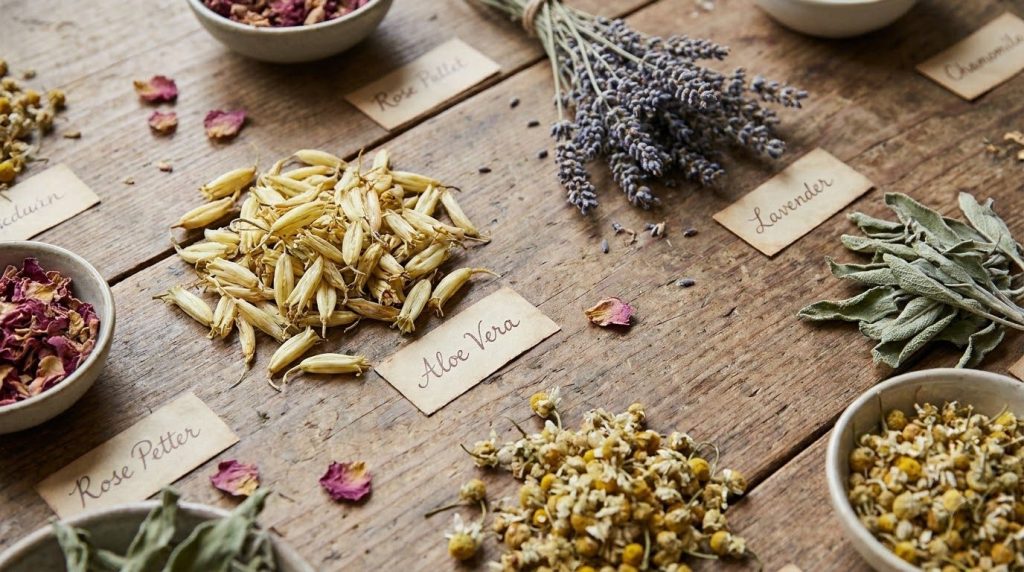
Aloe vera flowers offer a unique set of benefits, often overshadowed by the plant’s gel. Best prepared as a simple, steeped tonic, they can be used both internally and externally. Always opt for fresh, pesticide-free flowers and store the tonic in the refrigerator. Avoid over-boiling and using old or sprayed flowers. Consult a professional if you have health concerns.
FAQ
- Can I use fresh or dried aloe vera flowers? Both can be used. Fresh flowers offer a more vibrant flavor, while dried flowers are more concentrated and can be stored longer. Adjust quantities accordingly.
- How long does the aloe flower tonic last? When refrigerated in an airtight container, the tonic is best consumed within 24-48 hours.
- Can I refrigerate the flowers themselves? Freshly harvested flowers can be refrigerated in a sealed bag for 2-3 days, but it’s best to use them as soon as possible.
- How often should I use it? For internal use, one cup daily is a common starting point. Topically, 2-3 times a day as needed.
- What part of the flower is best? The entire tubular flower is used in preparations.
- When should I avoid using it? If you are pregnant, breastfeeding, or have allergies to plants in the Liliaceae family (which includes aloe), consult a doctor. Discontinue use if irritation occurs.
Related remedy: See our full guide on DIY Aloe Vera Face Masks.
Conclusion
The next time your aloe vera plant sends up a magnificent flower stalk, don’t just admire it from afar. Unlock its hidden potential. By incorporating aloe vera flowers into your wellness routine, you’re tapping into a lesser-known, yet equally valuable, aspect of this remarkable plant. It’s a simple addition that can bring unexpected benefits and a deeper connection to the natural world. Give these vibrant blossoms a chance to surprise you!
