Most people know Mimosa Pudica as the ‘sensitive plant’—a botanical curiosity that recoils at the slightest touch. While its shy nature is certainly captivating, it’s this very characteristic that often overshadows the plant’s rich history as a potent traditional remedy. For centuries, various cultures have harnessed the unexpected power within its delicate leaves, roots, and seeds for a surprising array of wellness applications. But how do you go about preparing and using this intriguing herb for practical benefits?
We’re diving deep into three distinct ways to prepare and utilize Mimosa Pudica, moving beyond its botanical parlor trick to unlock its true potential as a home remedy. From soothing infusions to powerful powders, understanding the right preparation is key to harnessing its traditional properties effectively.
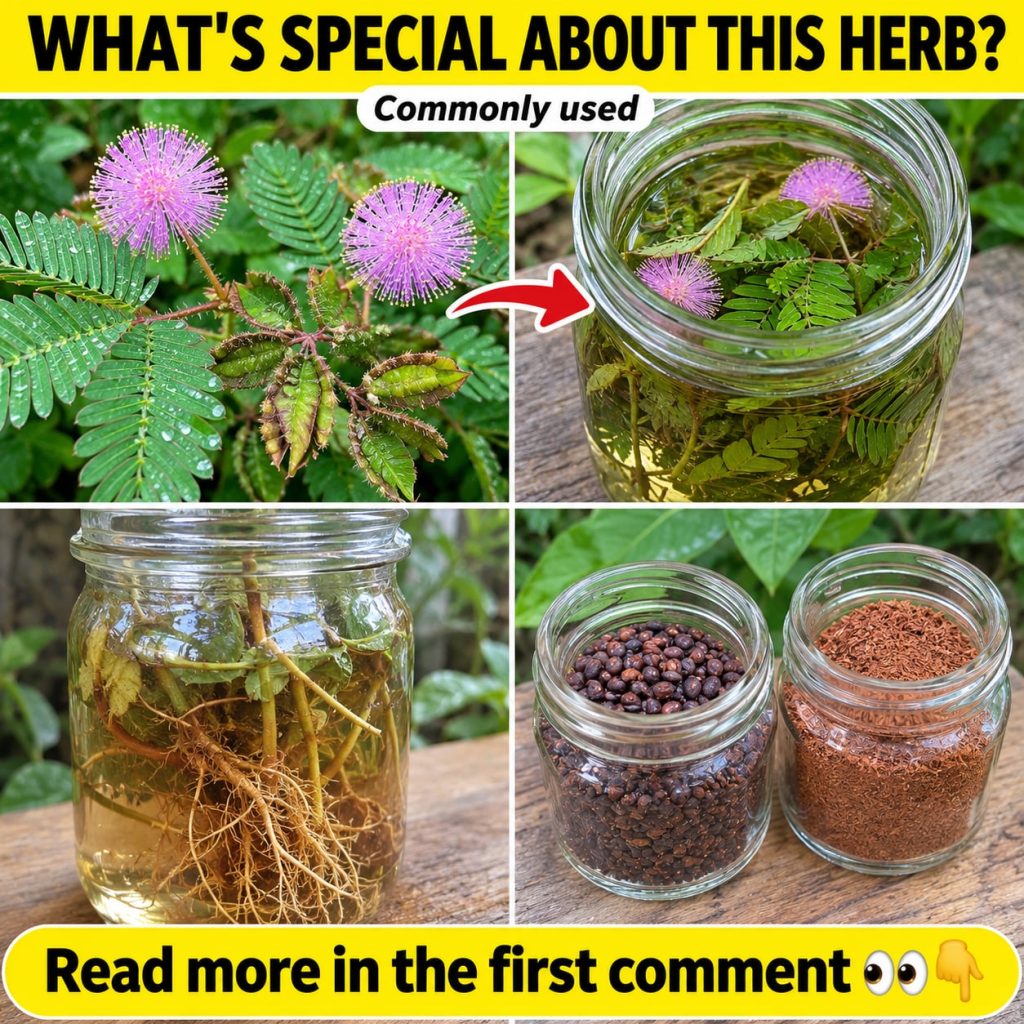 The Mimosa Pudica plant, known for its sensitive leaves and unique flowers.
What is Mimosa Pudica?
Scientifically known as Mimosa Pudica, this herbaceous perennial is native to South and Central America, often found in tropical and subtropical regions. Its most famous trait is thigmonasty—the rapid folding of its fern-like leaves and drooping of its stems when touched, shaken, or exposed to heat. Beyond this fascinating movement, traditional herbalists have valued different parts of the plant for their potential to support various bodily functions, making it a staple in folk medicine for generations. We’re focusing on three primary preparations: a leaf and flower infusion, a root decoction, and a seed powder.
Fresh vs. Dried Mimosa Pudica
When preparing remedies, deciding between fresh and dried Mimosa Pudica is a common consideration. Both have their merits, though dried forms are often more convenient for storage and consistency.
FeatureFresh Mimosa PudicaDried Mimosa PudicaAvailabilitySeasonal, requires direct harvestingYear-round, easy to storePotencyPotentially higher volatile compoundsConcentrated, stable over timePreparationRequires immediate use, can be less preciseEasier to measure, consistent resultsStorageVery short shelf life, needs refrigerationMonths to years if stored properly
1. Mimosa Pudica Leaf and Flower Infusion
The gentle infusion of Mimosa Pudica leaves and flowers is a traditional way to extract their water-soluble compounds, often consumed as a mild herbal tea.
Ingredients
- 1-2 teaspoons dried Mimosa Pudica leaves and flowers (or 1-2 tablespoons fresh, chopped)
- 1 cup hot water (just off the boil)
Approximate Measurements
For dried material, a ratio of 1 teaspoon per 8 ounces (240ml) of water is a good starting point. Adjust to your preference and the potency of your herb.
Formula / Recipe
This is a simple hot infusion method, similar to making any herbal tea.
Step-by-Step Method
- Place the dried or fresh Mimosa Pudica leaves and flowers into a heat-safe mug or teapot.
- Pour 1 cup of hot water over the herb material.
- Cover the mug/teapot to prevent volatile compounds from escaping.
- Let it steep for 10-15 minutes. For a stronger brew, steep longer.
- Strain the liquid through a fine-mesh sieve into a clean cup.
- Discard the spent plant material.
How to Use
Drink the infusion warm. It can be enjoyed on its own or sweetened lightly with a touch of honey if desired. This infusion is often used to promote a sense of calm and general wellness.
How Often to Use
Typically, 1-2 cups per day is a common recommendation, but always listen to your body and consult a healthcare professional for personalized advice, especially if you have underlying health conditions.
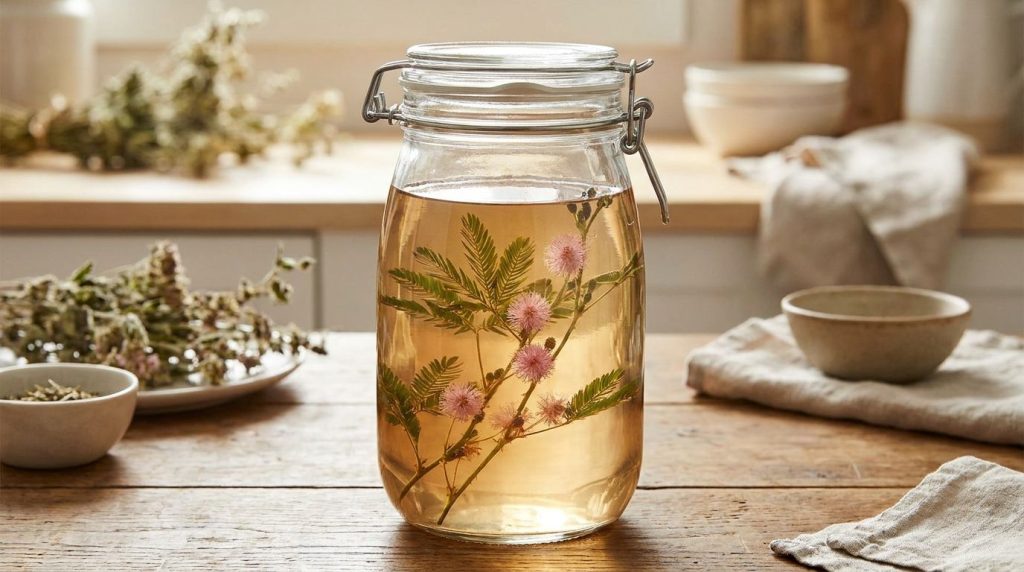 An infusion of Mimosa Pudica leaves and flowers, ready for straining.
2. Mimosa Pudica Root Decoction
The roots of Mimosa Pudica are traditionally prepared as a decoction, a method that involves simmering the tougher plant parts in water to extract their beneficial compounds more effectively.
Ingredients
- 1 tablespoon dried Mimosa Pudica root (chopped or powdered)
- 2 cups cold water
Approximate Measurements
A ratio of 1 tablespoon of dried root per 2 cups (480ml) of water is suitable for a decoction. This can be reduced if you prefer a more concentrated liquid.
Formula / Recipe
This method extracts compounds from the denser root material.
Step-by-Step Method
- Place the dried Mimosa Pudica root into a small non-reactive saucepan.
- Add 2 cups of cold water to the saucepan.
- Bring the water to a gentle boil, then reduce the heat to a simmer.
- Allow the mixture to simmer, uncovered, for 15-20 minutes, or until the liquid has reduced by about a third.
- Remove from heat and let it cool slightly.
- Strain the decoction through a fine-mesh sieve, pressing the root material to extract all liquid.
- Discard the spent root material.
How to Use
Drink small quantities (e.g., 1/4 to 1/2 cup) of the warm decoction. Due to its stronger nature, it’s often consumed less frequently than the leaf infusion. Traditionally, root decoctions were used for more specific issues, so consulting with an herbalist familiar with Mimosa Pudica root is advisable.
How Often to Use
Use sparingly, perhaps once daily or a few times a week, and always in moderation. It is best to consult with a qualified herbal practitioner for specific dosage and frequency recommendations.
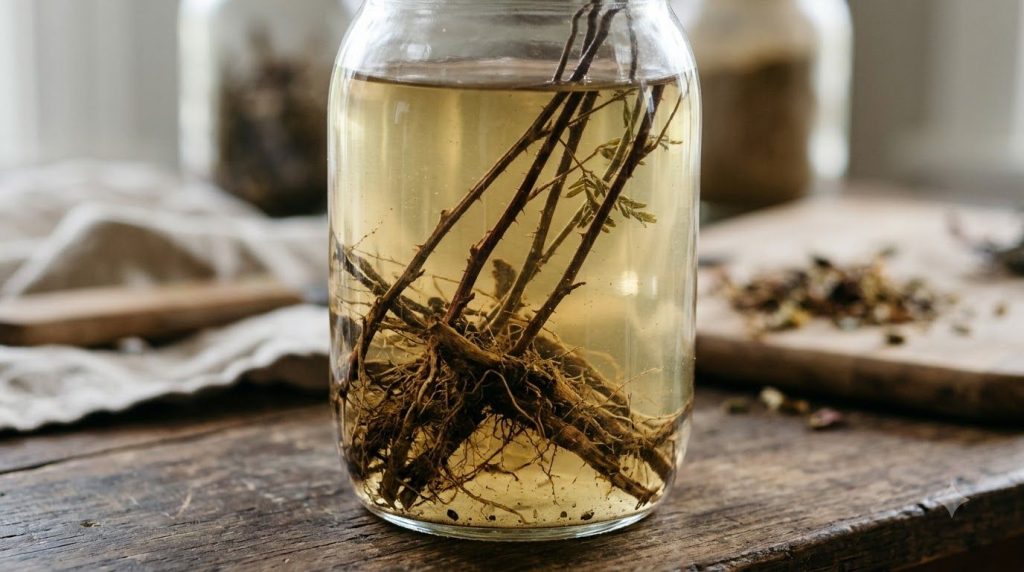 Mimosa Pudica roots prepared for a potent decoction.
3. Mimosa Pudica Seed Powder
Mimosa Pudica seeds are less commonly used than the leaves or roots, but they contain unique compounds. When dried and ground, they can be taken as a powder.
Ingredients
- Dried Mimosa Pudica seeds
Approximate Measurements
For powdered seeds, a very small amount is typically used, such as 1/4 to 1/2 teaspoon per serving.
Formula / Recipe
The key here is proper drying and grinding of the seeds.
Step-by-Step Method
- Ensure Mimosa Pudica seeds are thoroughly dried. This can be done by air-drying them in a well-ventilated area for several days or using a low-temperature dehydrator.
- Once fully dry, grind the seeds into a fine powder using a coffee grinder or spice mill.
- Sieve the powder through a fine-mesh screen to ensure a consistent texture and remove any larger fragments.
- Store the powder in an airtight container away from light and moisture.
How to Use
Mix the Mimosa Pudica seed powder with a small amount of water, juice, or a smoothie. It can also be encapsulated for easier consumption. This preparation is often associated with digestive support due to the potential fiber content of the seeds.
How Often to Use
Typically, once daily is sufficient, starting with a lower dose and gradually increasing as tolerated. Always consult a healthcare provider for appropriate dosing, especially when using seed-based remedies.
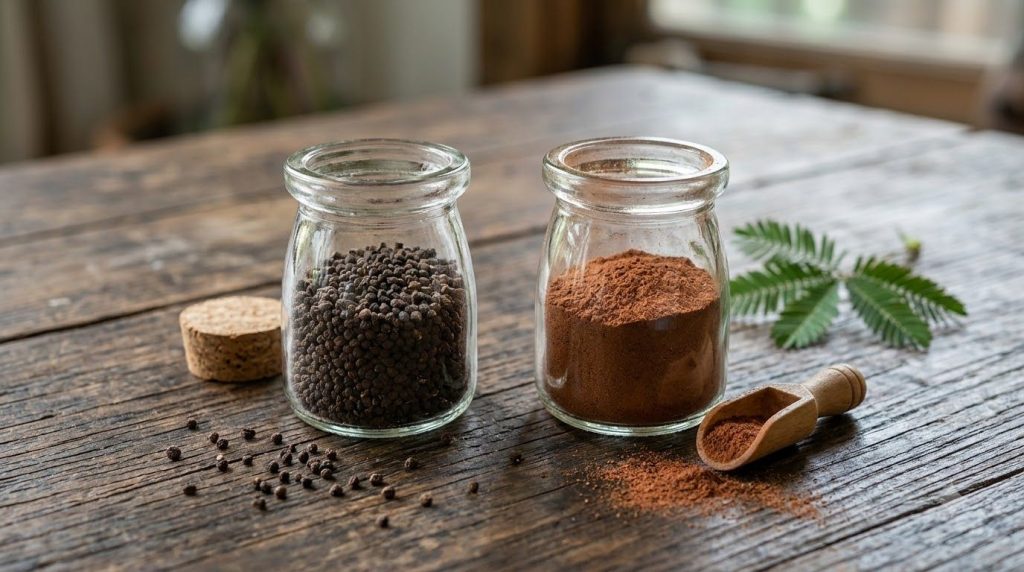 Dried Mimosa Pudica seeds and the finely ground powder.
How to Buy / How to Choose Ingredients
Sourcing quality Mimosa Pudica is crucial for effective remedies. Look for reputable herbal suppliers who can verify the origin and purity of their products.
- Dried Herb: Purchase from organic certified suppliers to avoid pesticides. Look for vibrant color and a fresh, earthy scent.
- Seeds: Ensure seeds are harvested maturely and are completely dry to prevent mold or spoilage.
- Fresh Plant: If growing your own, ensure it’s in a clean environment, free from pollutants.
Storage
Proper storage is essential to maintain the potency of your Mimosa Pudica preparations:
- Dried Leaves/Flowers/Roots: Store in airtight containers in a cool, dark, dry place. They can last for up to 1 year.
- Seed Powder: Store in an airtight, dark glass jar in a cool, dry place. Best used within 6-9 months.
- Infusions/Decoctions: Store in the refrigerator in a sealed glass bottle for no more than 2-3 days.
Practical Tips
- Start Small: When trying any new herbal remedy, begin with a lower dose to assess your body’s reaction.
- Consistency is Key: For best results, consistent daily use as recommended is often more beneficial than sporadic high doses.
- Listen to Your Body: Pay attention to how you feel. If you experience any adverse reactions, discontinue use.
Common Mistakes
- Using Sprayed Plants: Always ensure your Mimosa Pudica is organically grown and free from pesticides or herbicides.
- Improper Drying: Not fully drying plant material before storage leads to mold and loss of potency.
- Over-Boiling Infusions: Boiling delicate leaves and flowers can destroy volatile compounds; gentle steeping is preferred for infusions.
- Skipping Straining: Leaving plant material in infusions/decoctions can lead to over-extraction and potential bitterness.
- Incorrect Plant Part: Using the leaves when the roots are traditionally indicated for a specific purpose, and vice-versa.
Cautions / Who Should Avoid It
While generally considered safe for many, Mimosa Pudica is a potent herb, and certain individuals should exercise caution or avoid it entirely:
- Pregnancy and Breastfeeding: There is insufficient research on its safety during pregnancy and lactation. It’s best to avoid use.
- Children: Consult a pediatrician before giving Mimosa Pudica to children.
- Individuals on Medication: Mimosa Pudica may interact with certain medications, especially those for blood sugar or blood clotting. Consult your doctor.
- Surgery: Discontinue use at least two weeks before any scheduled surgery due to potential effects on blood clotting.
Quick Summary
Mimosa Pudica offers diverse traditional remedies when prepared correctly:
- Best Preparation: Infusion for leaves/flowers, decoction for roots, powder for seeds.
- Best Use-Case: Infusions for general wellness, decoctions for stronger traditional uses (consult an herbalist), seed powder for digestive support.
- Storage: Dried herbs in airtight containers, liquids refrigerated for short term.
- When to Use: Daily for general support, sparingly for stronger preparations.
- What to Avoid: Pesticides, improper drying, over-boiling, using without proper guidance if pregnant or on medication.
FAQ
- Can I use fresh or dried Mimosa Pudica?
- You can use both, but adjust measurements. Dried is more concentrated, fresh often requires larger quantities.
- How long do Mimosa Pudica infusions or decoctions last?
- When refrigerated in an airtight container, they typically last 2-3 days.
- Can I freeze Mimosa Pudica preparations?
- While technically possible, freezing may alter the texture and some compounds, so it’s generally best to prepare fresh or store dried materials.
- How often should I use Mimosa Pudica?
- Depends on the preparation and purpose. Infusions might be daily, while decoctions or seed powder should be used more sparingly or as directed by an expert.
- What part of the Mimosa Pudica plant is best for remedies?
- Each part—leaves, flowers, roots, seeds—has different traditional uses. The best part depends on the desired outcome.
- Can I reuse the Mimosa Pudica plant material after steeping?
- No, the beneficial compounds are largely extracted in the first steep. Discard spent material.
- When should I avoid Mimosa Pudica?
- Avoid if pregnant, breastfeeding, or on certain medications without consulting a healthcare professional.
Conclusion
The sensitive plant, Mimosa Pudica, offers more than just a fleeting touch of wonder. Its traditional uses, transformed into practical infusions, decoctions, and powders, provide a pathway to natural wellness rooted in centuries of herbal wisdom. By understanding the distinct preparations—from the delicate leaf and flower infusion to the robust root decoction and the targeted seed powder—you can thoughtfully incorporate this fascinating herb into your self-care routine. Always prioritize quality sourcing, proper preparation, and mindful use to truly benefit from the hidden strength within this seemingly shy plant.