Every gardener dreams of a bountiful harvest, overflowing with fresh, delicious produce. But sometimes, despite our best efforts, our plants seem to hold back. What if we told you there’s a simple, yet incredibly effective technique that can significantly boost your yields, turning your garden into a cornucopia of abundance? It’s all about strategic pinching and pruning, and we’re here to share the secrets!
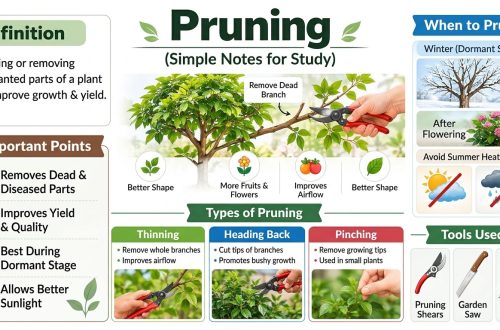
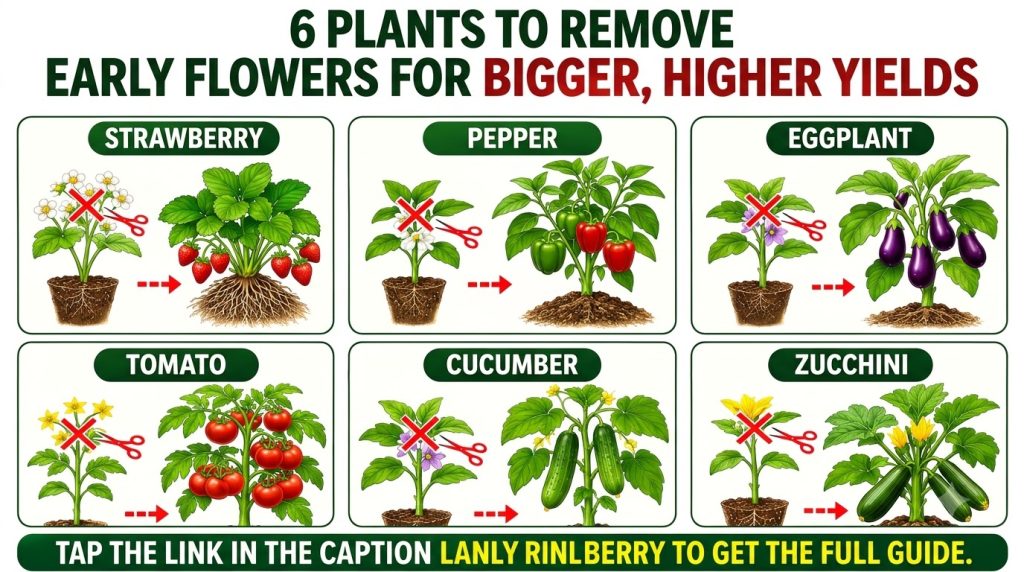
Many plants put a lot of energy into producing early flowers or unnecessary growth, which can actually deplete their resources and lead to fewer, smaller fruits in the long run. By carefully removing certain parts of the plant at the right time, we can encourage it to focus its energy where it truly matters: developing robust, flavorful fruits and vegetables.
The Art of Pinching and Pruning for Maximum Harvest
Let’s dive into how you can apply this game-changing technique to some of your favorite garden staples:
1. Strawberries: Sweet Success with Early Flower Removal
Those first few strawberry flowers can be so tempting to let grow, but for a truly abundant harvest, patience is key. For newly planted strawberries (especially ever-bearing or day-neutral varieties), it’s highly recommended to pinch off all flowers for the first month or two after planting. This allows the plant to focus its energy on establishing a strong root system and foliage, leading to healthier, more productive plants in subsequent flushes of berries.
- How to: Simply snip or pinch off the flower stalks as soon as they appear.
- Why: A strong plant base ensures a larger yield of bigger, sweeter berries throughout the rest of the season and in future years.
2. Peppers: Encourage Bushier Growth and More Fruit
Pinching back pepper plants early on can lead to a bushier plant with more branching, which translates to more potential fruit sites. This is particularly effective for bell peppers and other large-fruited varieties.
- How to: Once your pepper plant has grown to about 6-8 inches tall and has several sets of true leaves, you can pinch off the very top growth tip just above a set of leaves.
- Why: This encourages the plant to grow outwards instead of just upwards, creating a stronger structure to support a heavier fruit load.
3. Eggplants: Quality Over Quantity, Early On
Similar to peppers, eggplants benefit from early pruning to promote a robust framework. Some gardeners also advocate for removing the first few flowers to ensure the plant has enough energy to support the later, more substantial fruits.
- How to: When the plant is young, remove any suckers (shoots growing from the main stem’s leaf axils) below the first main branching point. You can also pinch off the very first few flowers if the plant seems small or weak.
- Why: This directs the plant’s energy into developing a strong main stem and supporting structure for larger, healthier eggplants later in the season.
4. Tomatoes: Pruning for Vigor and Disease Prevention
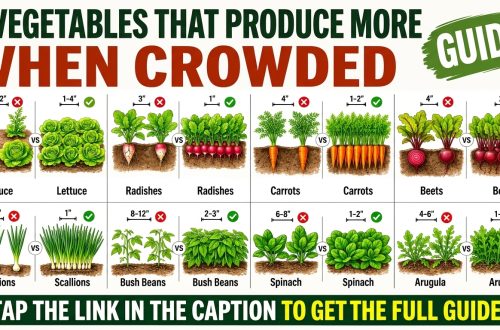
Tomato plants, especially indeterminate varieties, are notorious for producing ‘suckers’ – shoots that grow in the V-shape between the main stem and a leaf branch. These suckers will produce fruit, but they also divert significant energy from the main plant, leading to smaller, fewer fruits and increased risk of disease due to dense foliage.
- How to: Regularly check your tomato plants for suckers and pinch them off when they are small (2-4 inches). You can simply snap them off with your fingers.
- Why: Removing suckers encourages the plant to focus its energy on ripening the main fruit clusters and improves air circulation, reducing fungal diseases.
5. Cucumbers: Directing Energy for Continuous Production
Cucumber plants can become quite sprawling. For vining varieties, strategic pruning can encourage more fruit production and manage growth. Some gardeners remove the first few male flowers (which appear before female flowers) or any flowers that appear very early when the plant is still small.
- How to: For vining cucumbers, once the main vine has reached about 2 feet, you can remove lateral shoots (side branches) up to the first 5-7 leaf nodes. You can also remove any yellowing or diseased leaves.
- Why: This encourages the plant to put energy into developing fruits along the main vine and helps improve air circulation, preventing disease.
6. Zucchini: Managing Overwhelm for Better Yields
Zucchini plants are known for their prolific nature, but sometimes they produce an abundance of leaves at the expense of fruit or get overwhelmed. Early flower removal isn’t as common here, but managing foliage can be beneficial.
- How to: While not typically pinched for early flowers, some gardeners will remove older, non-productive leaves at the base of the plant to improve air circulation and direct energy to the younger, fruit-producing parts.
- Why: Better air circulation reduces fungal issues, and removing spent leaves helps the plant focus on new growth and fruit development.
General Tips for a Bountiful Harvest
- Know Your Plant: Research the specific needs of each plant variety you grow.
- Use Clean Tools: If using pruners, sterilize them between plants to prevent disease spread.
- Don’t Overdo It: While pinching and pruning are beneficial, excessive removal can stress the plant. Aim for strategic, moderate intervention.
- Fertilize and Water: Ensure your plants have adequate nutrients and consistent moisture to support all that new growth and fruit production.
- Observe Your Plants: Your plants will tell you what they need. Pay attention to their growth patterns and health.
Incorporating these simple yet powerful techniques into your gardening routine can transform your harvest from good to truly amazing. You’ll be amazed at the difference a little strategic pinching and pruning can make, leading to healthier plants and an abundance of delicious, homegrown produce!
What are your favorite tips for boosting garden yields? Share your success stories and insights with us in the comments below!