Do you ever notice a lingering dampness or a faint, unpleasant odor in certain areas of your home, like the entryway, a closet, or a laundry room? These common household nuisances can be tricky to eliminate, often requiring continuous effort or expensive solutions. But what if there was a surprisingly simple, affordable, and effective DIY method to help tackle them?
This clever hack, using an everyday household item you might already have, can significantly reduce unwanted odors and absorb excess moisture, creating a fresher and more comfortable environment in your home. It’s a practical reason to give this quick DIY a try!
What You’ll Need
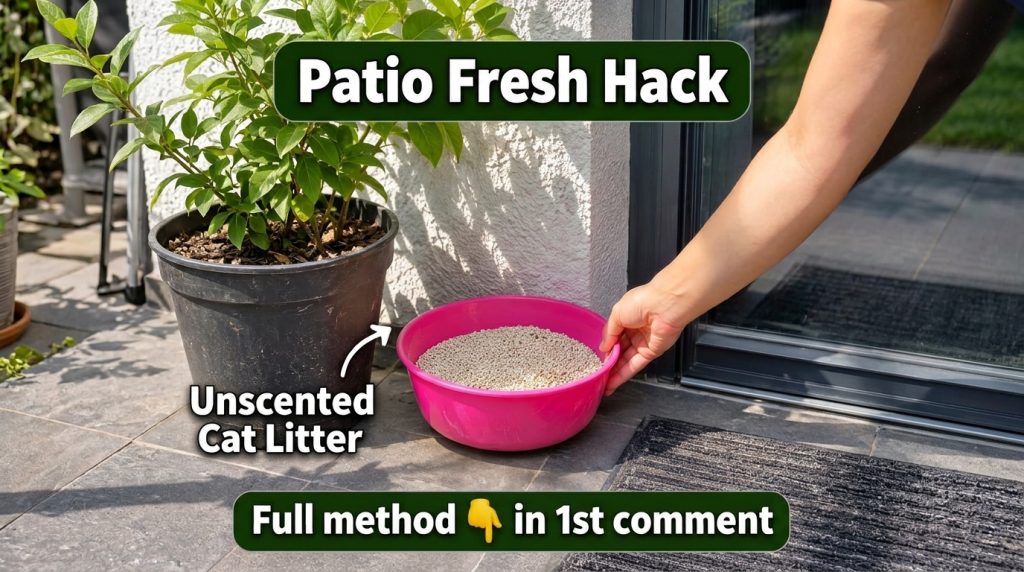
- Approximately 2-3 cups of unscented clay cat litter
- 1 small, decorative bowl (or any small, open container)
Why This DIY Can Be Useful
Unscented clay cat litter is designed specifically to absorb liquids and trap odors, making it a surprisingly effective tool for general household freshness. Its porous structure gives it a large surface area capable of drawing moisture out of the air and capturing odor-causing molecules. This makes it an ideal, low-cost option for tackling mustiness and dampness in small, enclosed spaces without introducing new artificial scents.
How to Make It
- Choose a small, open bowl that suits your decor or the area where you intend to place it.
- Scoop 2 to 3 cups of unscented clay cat litter into the bowl.
- Ensure the litter is spread relatively evenly to maximize its surface area exposure to the air.
How to Use It
This DIY odor and moisture absorber is incredibly easy to deploy:
- Identify the Problem Area: Place the bowl in areas prone to dampness or stale smells, such as an entryway, laundry room, bathroom, closet, under a sink, or near a shoe rack.
- Strategic Placement: Position the bowl in a discreet location where it won’t be easily knocked over or disturbed. Ensure it’s in an open spot where air can circulate around the litter.
- Monitor and Replace: The cat litter will gradually absorb moisture and odors over time. Depending on the humidity and odor levels, you’ll want to change the litter every 2 to 4 weeks, or when you notice its effectiveness diminishing. Simply discard the old litter and refill the bowl with fresh litter.
What to Expect
You can expect a noticeable reduction in ambient moisture and a fresher smell in the immediate area where the bowl is placed. This method is excellent for managing mild dampness and everyday odors. While it won’t solve severe moisture problems or completely eliminate very strong odors, it serves as an effective, low-maintenance supplement to your regular cleaning routine. The goal is a more pleasant and less stuffy atmosphere.
Helpful Tips
- Go Unscented: Always use unscented cat litter. Scented varieties can release their own fragrances, which might mix unpleasantly with existing odors or simply mask them rather than absorbing them.
- Multiple Bowls: For larger rooms or areas with more significant odor/moisture issues, consider placing several small bowls in different corners or locations.
- Discreet Hiding: If you’re concerned about aesthetics, place the bowl inside a decorative basket or behind a piece of furniture, ensuring air can still reach the litter.
Important Notes / Safety
- Keep Out of Reach: Ensure the bowl is placed where children and pets cannot access it. While non-toxic, ingestion of cat litter is not advisable and can pose a choking hazard.
- Not for Severe Issues: This DIY is a helpful hack for mild issues. If you have significant dampness, mold, or strong, persistent odors, it’s crucial to investigate and address the root cause, such as a leaky pipe or poor ventilation.
- Disposal: Dispose of used cat litter in your regular household trash. Do not flush it down the toilet, as it can clog plumbing.