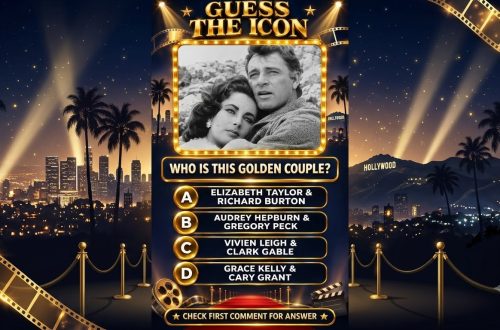
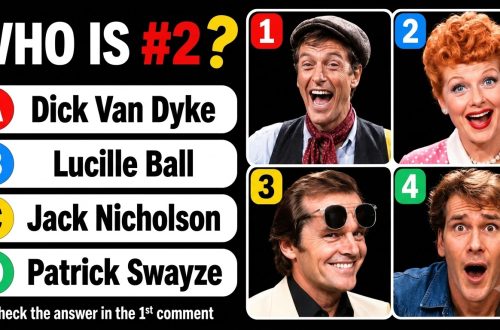
Only true movie fans often pride themselves on recognizing the iconic faces that shaped Hollywood’s Golden Age. From the silver screen sirens to the leading men who defined an era, classic cinema is brimming with legendary talent. Today, we’re diving deep into one such challenge that often stumps even the most seasoned film buffs: identifying ‘Actor #3’ in a legendary lineup and busting a common myth about their incredible career!
The Ultimate Guessing Game
Imagine a classic photograph, a stunning lineup of Hollywood’s finest. You see familiar smiles, piercing gazes, and expressions that have graced countless movie posters. But then, there’s ‘Actor #3’ – a face that feels familiar, yet you can’t quite put a name to it. This is the moment where true cinephiles are separated from casual viewers. It’s not just about recognition; it’s about the stories, the filmographies, and the lasting impact these stars left behind.
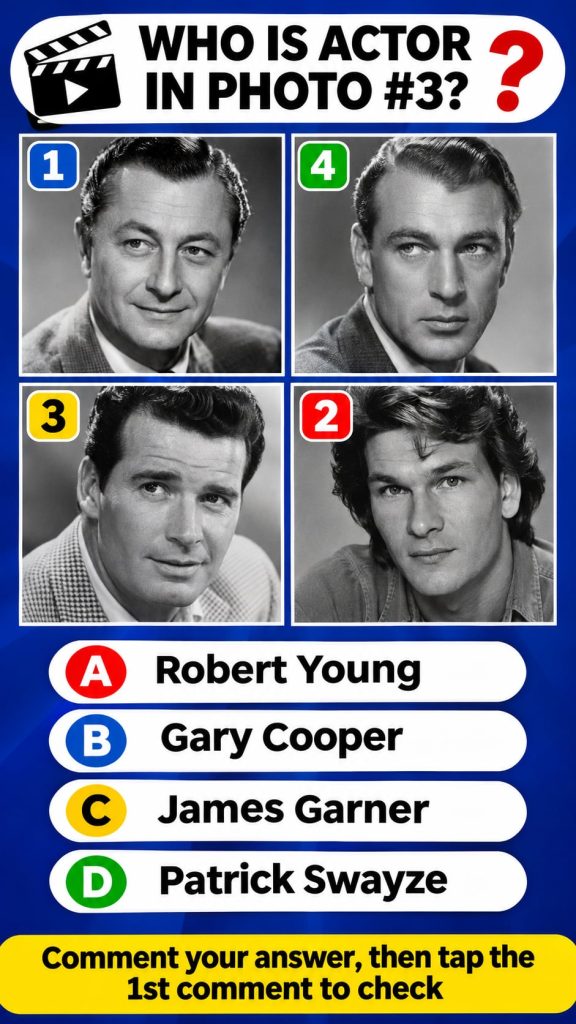
Meet Actor #3: Kirk Douglas
For those who struggled, ‘Actor #3’ is none other than the indomitable Kirk Douglas! Born Issur Danielovitch, Douglas was a titan of the silver screen, known for his intense roles, distinctive cleft chin, and formidable presence. His career spanned over seven decades, leaving an indelible mark on cinematic history.
Myth Busted: More Than Just a Tough Guy
The common misconception, or ‘myth’ if you will, is that Kirk Douglas was primarily a ‘tough guy’ or ‘action hero’ of his time. While he certainly excelled in powerful, often conflicted roles that showcased his strength and grit – think Spartacus, Paths of Glory, or Gunfight at the O.K. Corral – reducing his career to this archetype severely underestimates his incredible range and pioneering spirit. Kirk Douglas was far more than just a brawny lead; he was an actor with profound dramatic depth and a shrewd, independent mind.
His Dramatic Prowess
- Lust for Life (1956): Douglas’s portrayal of Vincent van Gogh earned him an Academy Award nomination and is widely considered one of his most transformative performances. He delved deep into the artist’s tormented psyche, revealing a vulnerability and artistic passion that went beyond any ‘tough guy’ persona.
- Ace in the Hole (1951): In this Billy Wilder classic, Douglas played a cynical reporter exploiting a tragedy. It was a dark, morally ambiguous role that showcased his ability to portray complex, often unlikable characters with compelling realism.
- The Bad and the Beautiful (1952): As a ruthless Hollywood producer, Douglas delivered another nuanced performance, earning him a Golden Globe nomination. This role highlighted his capacity for charm and manipulation, proving his versatility across genres.
A Pioneer Behind the Scenes
Beyond his acting, Douglas was also a trailblazing producer. In the 1950s, he formed his own production company, Bryna Productions, giving him more control over his projects. This independence led to significant, risk-taking films. Most notably, he was instrumental in breaking the Hollywood blacklist by insisting that Dalton Trumbo, a blacklisted screenwriter, receive screen credit for Spartacus (1960). This courageous act was a pivotal moment in challenging the McCarthy-era paranoia that had gripped the film industry.
An Enduring Legacy
Kirk Douglas’s career was a testament to his talent, tenacity, and unwavering commitment to his craft. He was a force of nature, not just on screen but also in fighting for artistic freedom and breaking down barriers. His body of work showcases a versatility that spanned intense drama, gripping thrillers, and powerful historical epics, proving that he was far more than simply ‘the tough guy.’ His impact resonates through the generations, continuing to inspire actors and filmmakers alike.
So, the next time you encounter a classic Hollywood challenge, remember Kirk Douglas and the rich, complex tapestry of his career. It’s a reminder that beneath every iconic face lies a story waiting to be fully appreciated and understood!