Fluffy Potato Rolls: The Secret to Incredibly Soft Dinner Rolls
There’s nothing quite like the aroma of freshly baked bread filling your home, and these Fluffy Potato Rolls are about to become your new favorite. Imagine biting into a dinner roll that’s unbelievably soft, with a delicate crumb and a rich, slightly sweet flavor. That’s exactly what you get with these potato rolls, thanks to the magic ingredient: mashed potatoes!
While the title “Fluffy Potato Rolls in Minutes!” might make you think of instant bread, the “minutes” refers to the active prep time—the mixing and shaping are surprisingly quick. The yeast still needs time to work its magic, giving you those irresistible light and airy results. These rolls are perfect for any occasion, from a casual family dinner to a holiday feast, adding a comforting, homemade touch that everyone will adore. They’re a delightful twist on classic dinner rolls, offering a unique texture and depth of flavor that sets them apart.
Why You’ll Love These Fluffy Potato Rolls
-
Unbeatable Texture: The mashed potatoes keep the rolls incredibly moist and tender, yielding an exceptionally soft and fluffy crumb.
-
Simple Ingredients: You likely have most of these pantry staples on hand already.
-
Versatile for Any Meal: Perfect as a side for dinner, alongside soup, or even sliced for mini sandwiches.
-
Family Favorite: These rolls are universally loved by kids and adults alike, making them a go-to for any gathering.
-
Make-Ahead Friendly: Prepare the dough in advance or freeze baked rolls for later enjoyment.
Ingredients for Fluffy Potato Rolls
Dry Ingredients:
- 4 cups (480 g) all-purpose flour, plus more for dusting
- 2 ¼ teaspoons (7 g) active dry yeast (one standard packet)
- ¼ cup (50 g) granulated sugar
- 1 teaspoon (6 g) salt
Wet Ingredients:
- 1 cup (240 g) prepared mashed potatoes (plain, cooled, unseasoned)
- ½ cup (120 ml) warm milk (105-115°F / 40-46°C)
- ¼ cup (55 g) unsalted butter, melted
- 1 large egg, room temperature
For Brushing:
- 2 tablespoons (28 g) unsalted butter, melted (for brushing after baking)
Ingredient Notes
-
Mashed Potatoes: For the best results, use plain, unseasoned mashed potatoes. Leftover mashed potatoes work wonderfully, just ensure they’re cooled and don’t have too much butter or cream already added, as this can affect the dough consistency. If making fresh, simply boil and mash potatoes with a little milk or water until smooth.
-
Yeast: Active dry yeast needs to be activated in warm liquid. Ensure your milk is not too hot (which kills the yeast) or too cold (which won’t activate it). Instant yeast can also be used; it can often be mixed directly with the dry ingredients without proofing, but follow package directions.
-
Flour: All-purpose flour is ideal for these rolls. Measure it correctly by spooning it into your measuring cup and leveling it off, rather than scooping directly from the bag, which can compact the flour and lead to a dense dough.
-
Butter: Unsalted butter allows you to control the salt content. Melted butter adds richness and softness to the dough.
Equipment You’ll Need
- Large mixing bowl
- Stand mixer with dough hook (optional, but recommended)
- Measuring cups and spoons
- Whisk
- Rubber spatula
- Kitchen towel or plastic wrap
- 9×13 inch (23×33 cm) baking dish or two 9-inch round cake pans
- Pastry brush
How to Make Fluffy Potato Rolls
Follow these steps for irresistible, soft potato rolls every time:
-
Activate the Yeast: In a large mixing bowl (or the bowl of a stand mixer), combine the warm milk and granulated sugar. Sprinkle the active dry yeast over the top. Let it sit for 5-10 minutes until foamy, indicating the yeast is active. If it doesn’t foam, your yeast may be old or the milk temperature was off, and you’ll need to start again.
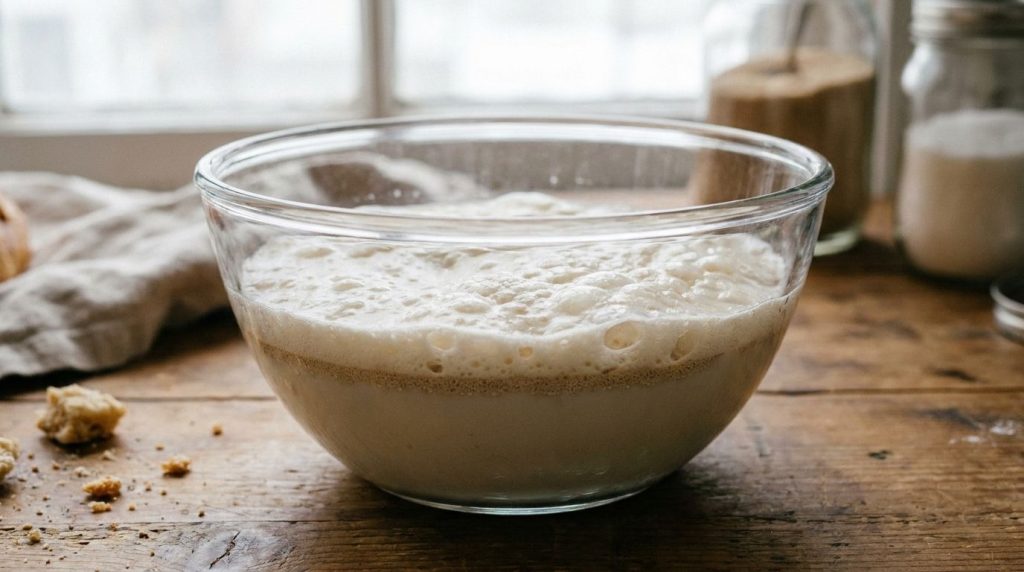
Look for that foamy top, a sign of happy, active yeast! -
Combine Wet Ingredients: Add the cooled mashed potatoes, melted butter, and egg to the yeast mixture. Whisk well to combine thoroughly until the mixture is relatively smooth.
-
Add Dry Ingredients: Gradually add the all-purpose flour and salt to the wet mixture. If using a stand mixer, attach the dough hook and mix on low speed until a shaggy dough forms. If mixing by hand, stir with a sturdy spoon.
-
Knead the Dough: Continue to mix on medium-low speed with the dough hook for about 5-7 minutes, or knead by hand on a lightly floured surface for 8-10 minutes. The dough should become smooth, elastic, and slightly tacky but not sticky. It should pull away from the sides of the bowl. Add a tiny bit more flour if the dough is too sticky, but be careful not to add too much.
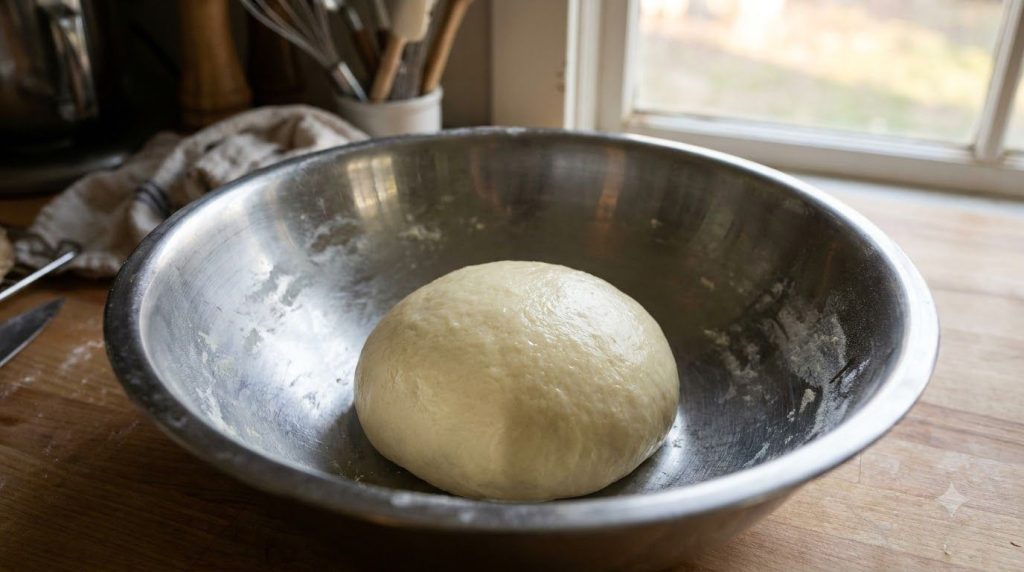
Knead until the dough is smooth and elastic, ready for its first rise. -
First Rise: Lightly grease a clean large bowl with a little oil. Place the dough in the bowl, turning once to coat. Cover the bowl with plastic wrap or a clean kitchen towel and let it rise in a warm, draft-free place for 1 to 1 ½ hours, or until doubled in size.
-
Shape the Rolls: Gently punch down the risen dough to release the air. Turn it out onto a lightly floured surface. Divide the dough into 12-16 equal pieces (about 2-2.5 ounces or 60-70 grams each). Shape each piece into a smooth ball. You can do this by cupping the dough in your palm and rolling it against the counter in a circular motion, or by pinching the seams together at the bottom.
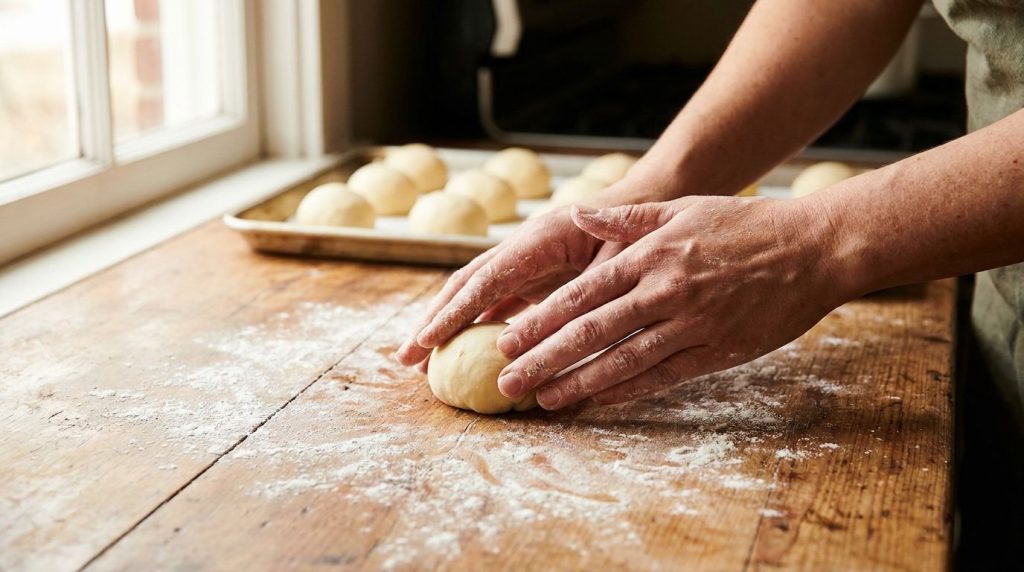
Roll each portion into a smooth, tight ball for a perfect shape. -
Second Rise: Arrange the shaped rolls in a greased 9×13 inch (23×33 cm) baking dish or two 9-inch round cake pans, leaving a little space between each roll. Cover loosely with plastic wrap or a kitchen towel and let them rise again in a warm place for 30-45 minutes, or until noticeably puffy and almost doubled in size.
-
Preheat Oven & Bake: While the rolls are on their second rise, preheat your oven to 375°F (190°C). Bake the rolls for 15-20 minutes, or until golden brown on top and cooked through. The internal temperature should reach about 200-210°F (93-99°C).
-
Brush with Butter: As soon as the rolls come out of the oven, brush them generously with the remaining 2 tablespoons of melted butter. This adds flavor and gives them a beautiful, soft crust. Let them cool slightly before serving.
Pro Tips for the Best Results
-
Use Plain Mashed Potatoes: Avoid overly seasoned or lumpy mashed potatoes. Smooth, plain mashed potatoes are key to the rolls’ delicate texture.
-
Correct Milk Temperature: For yeast activation, the milk should be warm to the touch (like a baby’s bath), between 105-115°F (40-46°C). Too hot will kill the yeast, too cold won’t activate it.
-
Don’t Over-Flour: Resist the urge to add too much flour during kneading or shaping. A slightly tacky dough is desirable for soft rolls. Too much flour will make them dense.
-
Proper Rising Environment: Find a warm, draft-free spot for rising. A slightly warm oven (turned off!) or a sunny spot on the counter can work well. Proper rising is crucial for fluffiness.
-
Gentle Handling: After the first rise, gently punch down the dough and handle it lightly when shaping to avoid knocking out too much air, which contributes to the fluffy texture.
-
Golden Brown is Key: Don’t pull them out too early! A nice golden-brown crust ensures they’re fully cooked and have developed maximum flavor.
-
Butter After Baking: Brushing with melted butter immediately after baking creates a soft, shiny crust and adds an extra layer of deliciousness.
Common Mistakes to Avoid
-
Using Cold Ingredients: Ensure milk is warm and egg is at room temperature for optimal yeast activity and dough consistency.
-
Under or Over-Kneading: Under-kneading results in a weak dough and dense rolls, while over-kneading can make them tough. Look for a smooth, elastic dough that passes the “windowpane test” (you can stretch a small piece thin enough to see light through it).
-
Skipping the Second Rise: The second rise is essential for creating an airy texture and well-formed rolls. Don’t rush it.
-
Baking at the Wrong Temperature: An oven that’s too cool can dry out the rolls, while one that’s too hot can brown the outside before the inside is cooked. Use an oven thermometer if unsure.
Variations & Substitutions
-
Herbed Potato Rolls: Add 1-2 tablespoons of finely chopped fresh herbs like rosemary, thyme, or chives to the dough during the kneading phase for an aromatic twist.
-
Cheesy Potato Rolls: Incorporate ½ cup (55 g) shredded cheddar or Parmesan cheese when adding the flour. Top with a sprinkle of extra cheese before the second rise.
-
Garlic Parmesan Rolls: Mix ½ teaspoon garlic powder into the dough. After baking, brush with garlic butter (melted butter mixed with a crushed garlic clove) and sprinkle with Parmesan.
-
Sweet Potato Rolls: Substitute the white mashed potatoes with mashed sweet potatoes for a slightly sweeter, earthier flavor and a beautiful orange hue.
-
Different Shapes: Instead of round rolls, you can shape the dough into knots, crescent rolls, or even a pull-apart loaf.
Serving Suggestions
These fluffy potato rolls are incredibly versatile and pair well with almost anything:
-
Holiday Meals: They are a perfect complement to roasted turkey, ham, or prime rib during Thanksgiving, Christmas, or Easter.
-
Everyday Dinners: Serve alongside comforting stews, chili, pot roast, or a simple weeknight pasta dish.
-
Soup & Salad: They’re ideal for soaking up broth from your favorite soup or for serving with a fresh green salad.
-
Sandwiches: Slice them in half for delicious mini sliders or breakfast sandwiches.
-
With Spreads: Enjoy warm with extra butter, jam, honey, or a savory herb spread.
Storage & Reheating
-
Refrigerator: Store leftover potato rolls in an airtight container at room temperature for 2-3 days, or in the refrigerator for up to 5 days. They tend to dry out more quickly in the fridge, so wrapping them well is key.
-
Freezer: For longer storage, allow baked and cooled rolls to freeze individually on a baking sheet until solid. Then transfer them to a freezer-safe bag or container for up to 2-3 months. Thaw at room temperature before reheating.
-
Reheating: To reheat, wrap rolls loosely in foil and warm in a preheated oven at 300°F (150°C) for 10-15 minutes, or until soft and warm through. You can also quickly warm them in the microwave for 15-30 seconds, but be careful not to overheat, which can make them tough.
FAQ
Can I make the dough ahead of time?
Yes! After the first rise, you can punch down the dough, cover it tightly with plastic wrap, and refrigerate it for up to 24 hours. Let it come to room temperature for about 30-60 minutes before shaping and proceeding with the second rise and baking.
Can I use instant mashed potatoes?
While fresh mashed potatoes yield the best texture, plain instant mashed potatoes can work in a pinch. Prepare them according to package directions, but aim for a slightly thicker consistency than usual, and ensure they are cooled before adding to the dough.
Why did my potato rolls turn out dense?
Density can be caused by several factors: expired or inactive yeast, too much flour added to the dough, not enough kneading, or insufficient rising time. Ensure your yeast is fresh, measure flour accurately, knead until elastic, and allow for full rise times.
What if I don’t have a stand mixer?
No problem! You can mix the dough in a large bowl with a sturdy spoon and knead it by hand on a lightly floured surface for 8-10 minutes until smooth and elastic. It’s a great arm workout!
How do I know when the rolls are done baking?
The rolls should be beautifully golden brown on top and sound hollow when tapped on the bottom. For a precise check, an instant-read thermometer inserted into the center of a roll should register between 200-210°F (93-99°C).
Can I use milk alternatives?
Yes, you can substitute dairy milk with unsweetened almond milk or soy milk. The texture might be slightly different, but the rolls should still turn out delicious.
Recipe Card
Recipe Name: Fluffy Potato Rolls
Short Description: Discover the secret to incredibly soft and tender dinner rolls with this easy recipe for Fluffy Potato Rolls, perfect for any meal.
Prep Time: 25 minutes
Cook Time: 15-20 minutes
Total Time: Approximately 2 hours 15 minutes (includes rising time)
Servings: 12-16 rolls
Course: Side Dish, Bread
Cuisine: American
Cooking Method: Baking
Ingredients:
- 4 cups (480 g) all-purpose flour, plus more for dusting
- 2 ¼ teaspoons (7 g) active dry yeast
- ¼ cup (50 g) granulated sugar
- 1 teaspoon (6 g) salt
- 1 cup (240 g) prepared mashed potatoes (plain, cooled, unseasoned)
- ½ cup (120 ml) warm milk (105-115°F / 40-46°C)
- ¼ cup (55 g) unsalted butter, melted
- 1 large egg, room temperature
- 2 tablespoons (28 g) unsalted butter, melted (for brushing after baking)
Instructions:
- Activate the Yeast: In a large mixing bowl, combine warm milk and sugar. Sprinkle yeast over top. Let sit 5-10 minutes until foamy.
- Combine Wet Ingredients: Add cooled mashed potatoes, ¼ cup melted butter, and egg to the yeast mixture. Whisk well.
- Add Dry Ingredients: Gradually add flour and salt. Mix with a dough hook or sturdy spoon until a shaggy dough forms.
- Knead the Dough: Knead on medium-low speed for 5-7 minutes (stand mixer) or by hand for 8-10 minutes until smooth, elastic, and slightly tacky.
- First Rise: Lightly grease a clean bowl, place dough in it, turn to coat. Cover and let rise in a warm, draft-free place for 1 to 1 ½ hours, or until doubled.
- Shape the Rolls: Gently punch down dough. Divide into 12-16 equal pieces and shape each into a smooth ball.
- Second Rise: Arrange rolls in a greased 9×13 inch baking dish. Cover loosely and let rise for 30-45 minutes, or until puffy.
- Preheat Oven & Bake: Preheat oven to 375°F (190°C). Bake for 15-20 minutes, until golden brown.
- Brush with Butter: Immediately brush hot rolls with 2 tablespoons melted butter. Cool slightly before serving.
Notes:
Ensure mashed potatoes are plain and cooled. Do not overheat milk for yeast. Proper rising and gentle handling are key for fluffy results.
Storage:
Store in an airtight container at room temperature for 2-3 days or refrigerate for up to 5 days. Freeze baked and cooled rolls for up to 2-3 months. Reheat in a 300°F (150°C) oven for 10-15 minutes.
Nutrition:
Nutrition information is an estimate and may vary depending on the ingredients and brands used.