Most people ignore the thorny plant growing wild by the roadside, dismissing it as a common weed. But what if that ‘weed’ held secrets to better wellness, a hidden treasure often overlooked? Today, we’re shining a light on one such plant: the humble Milk Thistle (Silybum marianum), a true powerhouse that might be growing closer than you think, offering unexpected benefits when prepared correctly.
Many traditional herbalists have long recognized the potent properties locked within this resilient plant. Forget vague wellness trends; this guide will walk you through exactly how to harness its practical potential, transforming it from a “thorny nuisance” into a valuable addition to your natural remedy cabinet. We’ll focus on making a simple, effective milk thistle tea – a gentle yet powerful way to integrate this ancient herb into your routine.
What It Is: The Mighty Milk Thistle
Milk Thistle, or Silybum marianum, is a flowering herb related to the daisy and ragweed family. It’s easily recognized by its striking purple flowers and glossy green leaves with white veins, often described as “milk-splashed.” Native to Southern Europe, North Africa, and the Middle East, it has naturalized in many parts of the world, including North America, where it often grows wild in sunny, disturbed areas.
Historically, various parts of the milk thistle plant — from its seeds to its leaves and roots — have been used for centuries across different cultures. While its robust appearance might deter some, its core compounds, particularly silymarin found in the seeds, are what garner the most attention in modern herbal practices.
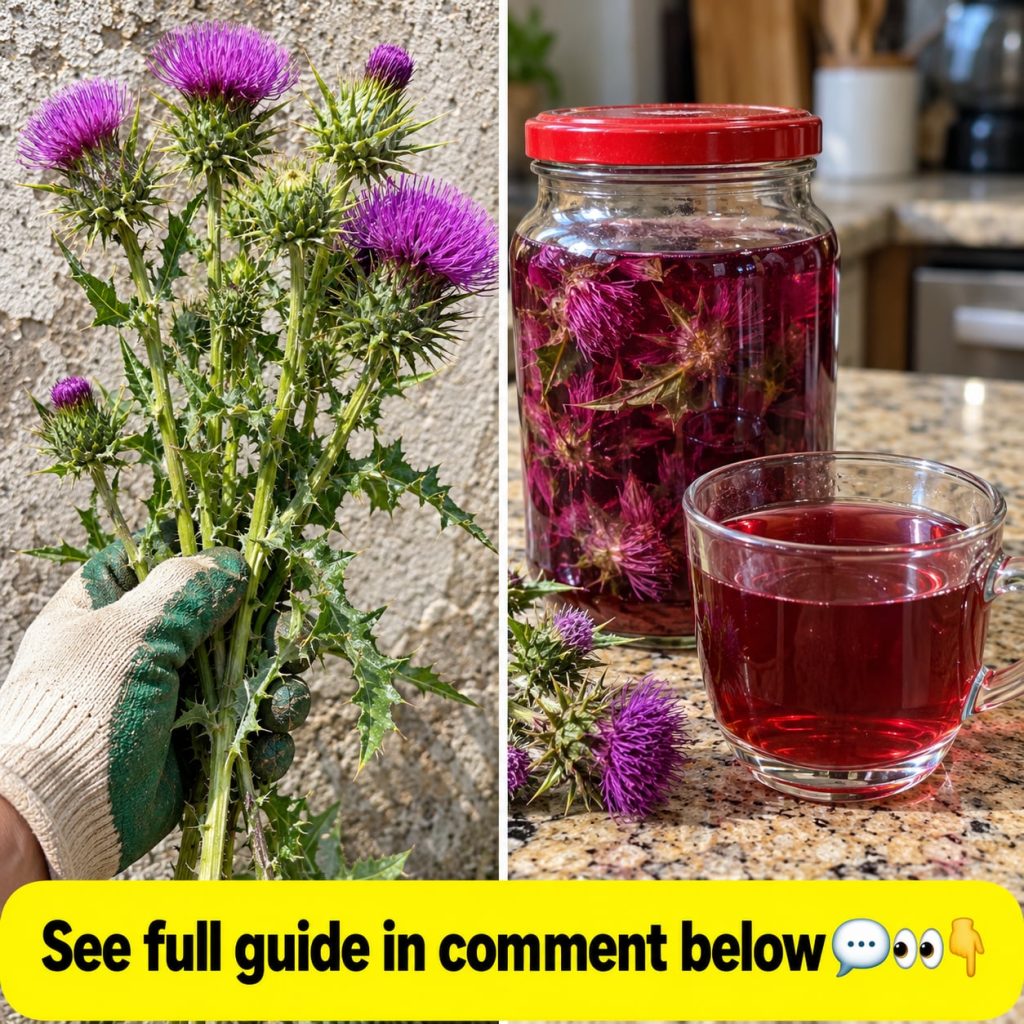
Ingredients for Milk Thistle Tea
Making a simple milk thistle tea is straightforward, requiring minimal ingredients. The key is quality, especially when dealing with dried herbs.
- Dried Milk Thistle Seeds (whole or lightly crushed): This is the most potent part of the plant for medicinal uses, as it contains the highest concentration of silymarin.
- Filtered Water: Essential for a clean-tasting infusion.
- Optional additions: Honey or lemon to taste, if desired.
Approximate Measurements
For a standard cup of milk thistle tea, these measurements provide a good starting point:
- Milk Thistle Seeds: 1 teaspoon (approximately 2-3 grams)
- Water: 8-10 ounces (about 250-300 ml)
You can adjust the seed quantity slightly based on your preference for strength, but starting mild is always recommended.
Formula / Recipe: Simple Milk Thistle Seed Infusion
This recipe focuses on extracting the beneficial compounds from the hard seeds of the milk thistle. Unlike softer leaves, seeds benefit from a longer steep time or even a gentle simmer.
Step-by-Step Method
- Prepare the Seeds: If using whole seeds, lightly crush them using a mortar and pestle or by placing them in a small bag and gently rolling with a rolling pin. This helps to break the hard outer shell, allowing for better extraction of compounds.
- Heat the Water: Bring your filtered water to a rolling boil in a small saucepan.
- Combine: Place the crushed milk thistle seeds into a heatproof mug or a small pot. Pour the boiling water over the seeds.
- Steep: Cover the mug/pot with a lid or a small plate to prevent essential oils from escaping with the steam. Allow the tea to steep for at least 15-20 minutes. For a stronger brew, you can steep for up to 30 minutes, or even gently simmer the seeds in the water for 5-10 minutes before steeping.
- Strain and Serve: Strain the tea through a fine-mesh sieve into another cup, discarding the seeds.
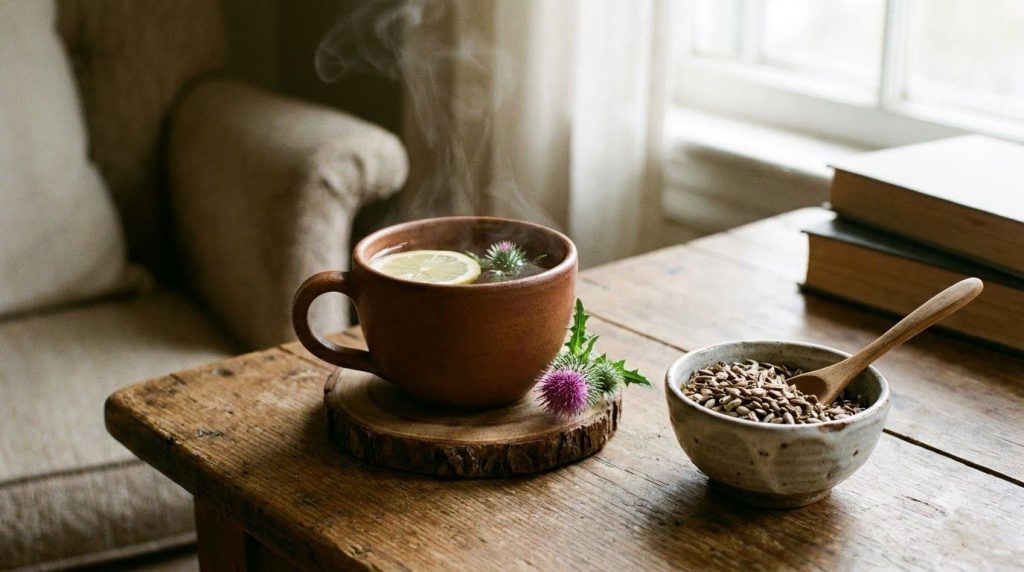
Your milk thistle tea is now ready to enjoy! Add honey or a squeeze of lemon if you wish to enhance the flavor.
Quick Tip: Gentle Simmering for Better Extraction
For optimal extraction of silymarin from the tough milk thistle seeds, a gentle simmer for 5-10 minutes before steeping can be more effective than just pouring boiling water over them. This “decoction” method helps to soften the seeds and release their beneficial compounds more thoroughly.
How to Use
Milk thistle tea is traditionally consumed as a general wellness tonic. It’s often favored for its potential support of liver health and its antioxidant properties. Drink it warm.
How Often to Use
Generally, one cup of milk thistle tea per day is a common recommendation for general support. Some individuals may drink it twice daily. It’s best to consult with a healthcare provider or a qualified herbalist for personalized advice, especially if you have underlying health conditions or are taking medications.
How to Buy / How to Choose Ingredients
Sourcing quality ingredients is paramount for any natural remedy:
- Dried Milk Thistle Seeds: Look for organic, reputable suppliers. Ensure the seeds are whole or lightly crushed, not powdered, as powders can lose potency faster. Check for “best by” dates.
- Fresh Milk Thistle: If you plan to forage, ensure you can positively identify the plant and that it has not been sprayed with pesticides or herbicides. Only harvest from clean, uncontaminated areas away from roadsides.
Storage
Proper storage maintains potency and prevents spoilage:
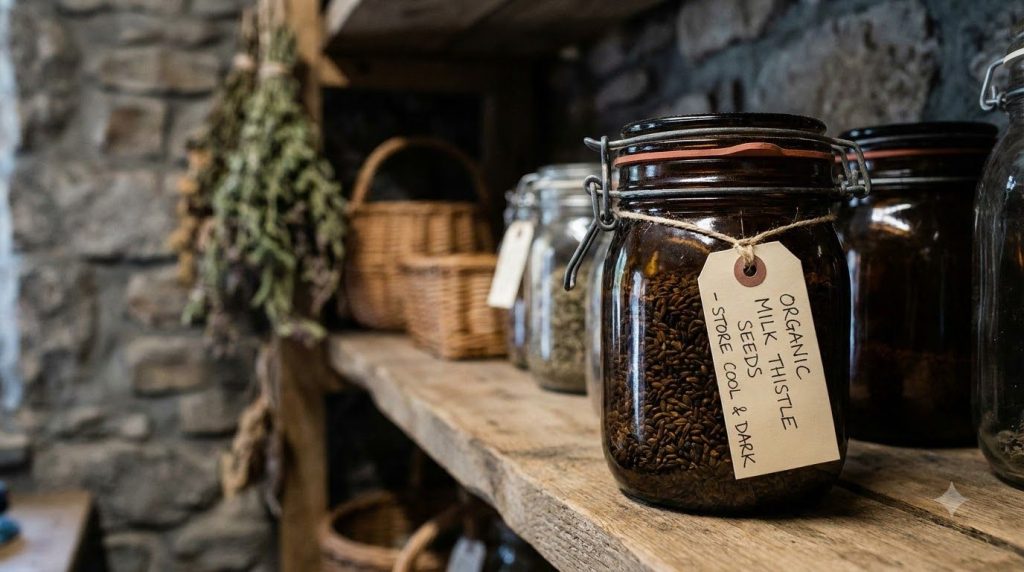
- Dried Seeds: Store in an airtight container, away from direct sunlight, heat, and moisture. A cool, dark pantry is ideal. Properly stored, dried seeds can last for up to 1-2 years.
- Prepared Tea: Milk thistle tea is best consumed fresh. If you prepare a larger batch, store it in an airtight container in the refrigerator for no more than 24-48 hours.
Practical Tips
- Start Small: If you’re new to milk thistle, begin with a weaker brew and gradually increase the strength as your body adjusts.
- Consistency is Key: For potential benefits, consistent use over several weeks is often suggested rather than sporadic consumption.
- Consider a Tincture: While tea is accessible, a milk thistle tincture (an alcohol extract) is often considered more potent for targeted benefits as it effectively extracts silymarin, which is not highly water-soluble.
Did You Know? Tea vs. Tincture
Choosing between a tea and a tincture depends on your goals and preferences. Here’s a quick comparison:
| Feature | Milk Thistle Tea | Milk Thistle Tincture |
|---|---|---|
| Preparation | Hot water infusion/decoction | Alcohol extraction (long process) |
| Potency | Moderate, water-soluble compounds | High, extracts fat-soluble silymarin effectively |
| Convenience | Requires daily brewing | Drops are easy and quick to take |
| Absorption | Digested as a beverage | Rapidly absorbed sublingually or ingested |
| Taste | Mildly bitter, earthy | Concentrated, can be strong |
Common Mistakes
- Not Crushing Seeds: Using whole, uncrushed seeds significantly reduces the extraction of beneficial compounds.
- Insufficient Steeping Time: A quick steep like a black tea won’t be enough for the hard milk thistle seeds. Give it ample time (15-20 minutes minimum).
- Using Sprayed Plants: If foraging, never use plants from areas that may have been treated with herbicides or pesticides.
- Boiling Aggressively: While a gentle simmer is fine, aggressive boiling for extended periods can degrade some delicate compounds.
Cautions / Who Should Avoid It
While generally considered safe for most adults, milk thistle is not for everyone:
- Allergies: Individuals allergic to ragweed, daisies, marigolds, or chrysanthemums may experience an allergic reaction to milk thistle.
- Hormone-Sensitive Conditions: Milk thistle may have estrogenic effects and should be used with caution by individuals with hormone-sensitive conditions such as breast, uterine, and ovarian cancer, endometriosis, or uterine fibroids.
- Medication Interactions: Milk thistle can interact with certain medications, including blood thinners, some psychiatric medications, and drugs processed by the liver. Always consult your doctor before starting any new herbal remedy, especially if you are on medication.
- Pregnancy and Breastfeeding: There isn’t enough reliable information to know if milk thistle is safe to use when pregnant or breastfeeding. It’s best to avoid use.
Quick Summary
Milk Thistle tea offers a practical way to harness the benefits of this often-overlooked plant. Prepare it by gently crushing dried seeds and steeping or simmering them for 15-20 minutes. Best for daily wellness support, store dried seeds in an airtight container away from light. Avoid if allergic to ragweed or if you have hormone-sensitive conditions, and always consult a doctor if on medication.
FAQ
- Can I use fresh milk thistle leaves for tea?
While the leaves can be used, the seeds contain the highest concentration of silymarin. If using fresh leaves, they won’t provide the same potency as a seed-based tea.
- How long does milk thistle tea last?
It’s best consumed fresh. Any leftover tea can be refrigerated for up to 24-48 hours in an airtight container.
- What part of the milk thistle plant is best for remedies?
The seeds are considered the most medicinally potent part, primarily due to their high concentration of silymarin.
- Can I reuse the seeds for another batch of tea?
No, once the seeds have been steeped, most of their beneficial compounds have been extracted. Reusing them will result in a significantly weaker brew.
- When is the best time to drink milk thistle tea?
Many prefer to drink it in the morning or before meals, but there’s no strict rule. Consistency is more important than timing.
- Is milk thistle safe for long-term use?
Some studies suggest it can be used for several months. However, long-term use should always be discussed with a healthcare professional.
Conclusion
The next time you spot a thistle, take a moment to appreciate the “unexpected treasure” it truly is. With a little knowledge and care, you can transform this common plant into a practical and beneficial remedy for your wellness routine. Making milk thistle tea is a simple, accessible way to connect with nature’s hidden potential.
You may also like: Read more about making other herbal tinctures at home.
Continue with: See the full guide to liver-supporting herbs.