Every gardener dreams of a bountiful harvest, overflowing with fresh, homegrown produce. But what if there was a simple secret that could significantly boost your yields, especially for beloved plants like tomatoes and strawberries? It sounds almost too good to be true, but this technique is a game-changer that savvy gardeners have been using for years: removing the first flowers at transplant.
This method might seem counterintuitive at first – why would you remove potential fruit? The answer lies in redirecting the plant’s energy. Let’s dive into why this “transplant secret” works wonders and how you can apply it to your garden for an incredible harvest.
Why Removing First Flowers Boosts Your Harvest
When you transplant a young plant into its new home, it experiences a certain level of stress. Its primary goal at this stage is to establish a strong root system to anchor itself and absorb nutrients and water efficiently. Simultaneously, if the plant already has flowers or small fruits, it’s also expending energy on reproduction.
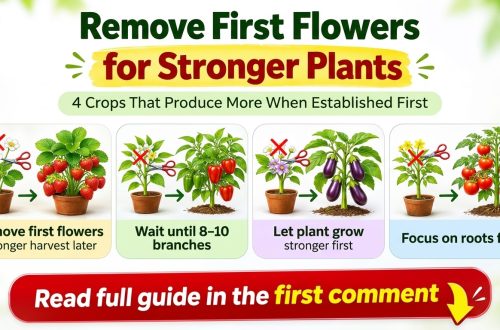
By gently removing these first few flowers, you send a clear signal to the plant: “Focus on growing roots and foliage first!” This allows the plant to:
- Develop a Stronger Root System: With no reproductive demands, all the plant’s energy can be directed towards expanding its roots, making it more resilient and better able to support heavy fruit production later.
- Build Robust Foliage: A healthy amount of leaves is crucial for photosynthesis, which creates the energy the plant needs to thrive and produce fruit.
- Prevent Early Stress: Producing fruit too early can stunt a young plant’s overall growth, leading to fewer, smaller fruits in the long run.
Essentially, you’re investing in the plant’s future health, ensuring it has the foundational strength to deliver a truly impressive yield.
Which Plants Benefit Most?
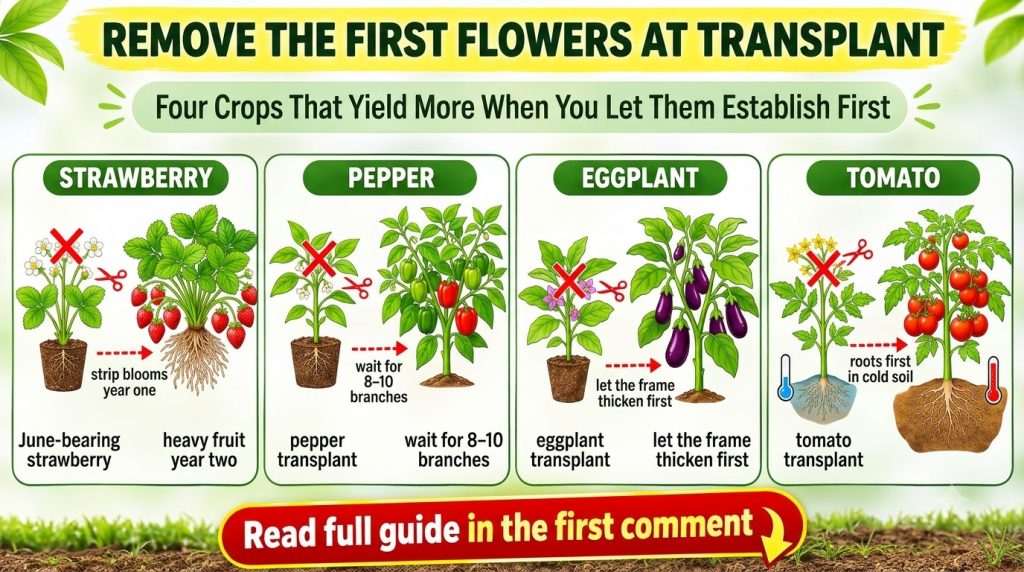
While this technique isn’t for every plant (for instance, many leafy greens or root vegetables wouldn’t apply), it’s incredibly effective for certain fruiting plants that are typically transplanted. The primary beneficiaries include:
- Tomatoes: Pinching off the first set of flowers allows tomato plants to develop stronger stems and roots, leading to more robust plants capable of holding a larger, healthier crop.
- Strawberries: For newly planted strawberry runners or young plants, removing early flowers encourages the plant to establish deeply, producing more runners and a greater abundance of berries in subsequent flushes.
- Peppers (Bell and Hot): Similar to tomatoes, removing the initial pepper blossoms helps the plant put its energy into vegetative growth, resulting in larger plants and a higher number of peppers later in the season.
- Eggplants: Young eggplant starts also benefit from this strategy, growing into sturdier plants with a better capacity for producing larger, healthier fruits.
Always do a little research for specific varieties, but these four are excellent candidates for applying the transplant secret.
How to Implement the Transplant Secret
Applying this technique is straightforward and requires no special tools. Here’s how you do it:
- Identify the First Flowers: When you’re ready to transplant your seedling or young plant into its final garden spot or larger container, look closely at the plant. You’ll likely see small flower buds or even open flowers.
- Gently Pinch Them Off: Using your thumb and forefinger, carefully pinch off these first flowers or flower clusters. Be gentle so you don’t damage the surrounding stem or leaves.
- Focus on the Very First Set: You don’t need to strip the plant bare. The goal is to remove only the very first flowers that appear when the plant is still quite young and trying to establish itself. Once the plant has settled in and started putting on new growth, you can let subsequent flowers develop into fruit.
- Water and Care as Usual: After pinching, proceed with transplanting as you normally would, ensuring adequate water and appropriate growing conditions.
Patience Pays Off
It might feel counterintuitive to remove something you’ve worked so hard to grow, but trust us – a little patience goes a long way. The temporary delay in fruit production is a small price to pay for a much larger, healthier, and more delicious harvest down the line. You’ll notice your plants developing stronger structures, more vigorous growth, and ultimately, a more impressive yield that will make all your gardening efforts worthwhile.
Give this transplant secret a try in your garden this season, and prepare to be amazed by the results!