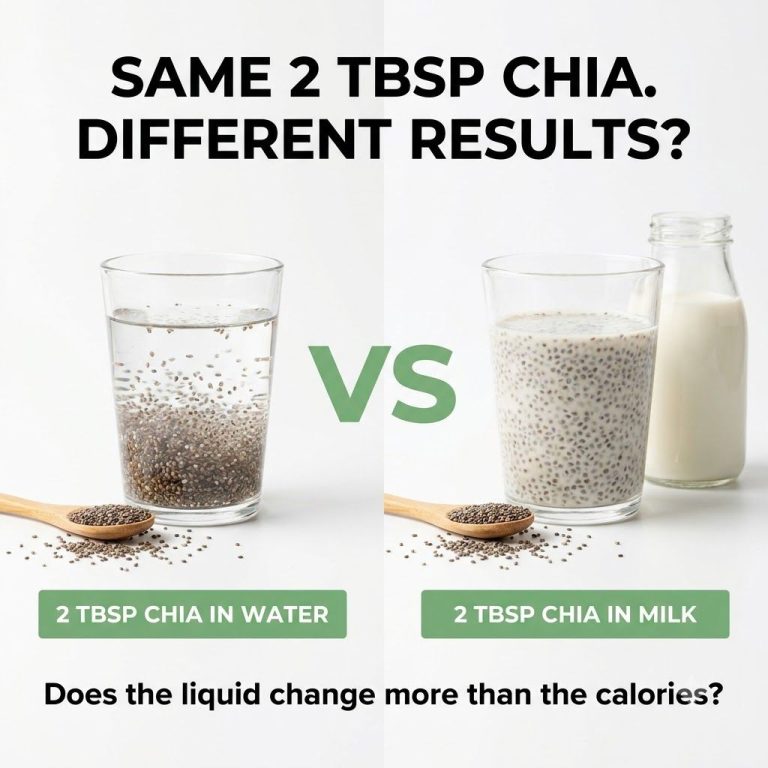
Chia seeds have become a superstar in the world of healthy eating, celebrated for their impressive nutritional profile and versatility. These tiny seeds are packed with omega-3 fatty acids, fiber, protein, and various micronutrients, making them a fantastic addition to almost any diet. But when it comes to preparing them, have you ever stopped to consider how your choice of soaking liquid—water versus milk—truly impacts not just their texture, but also their health benefits and culinary possibilities?
It’s more than just a preference for creaminess or lightness; the liquid you choose can subtly alter the nutritional delivery and how you enjoy these superfoods. Let’s dive into the surprising differences and discover which soaking method might be best for your wellness journey!
The Wonders of Chia Seeds: A Quick Recap
Before we compare soaking methods, let’s quickly re-establish why chia seeds are so good for you. Originating from Central America, these seeds were a staple food for ancient Aztecs and Mayans. Today, they’re lauded for:
- High Fiber Content: They’re an excellent source of soluble and insoluble fiber, aiding digestion, promoting satiety, and supporting gut health.
- Omega-3 Fatty Acids: Particularly alpha-linolenic acid (ALA), which is crucial for heart health, brain function, and reducing inflammation.
- Protein Power: A good source of plant-based protein, essential for muscle repair and overall bodily functions.
- Essential Minerals: Rich in calcium, magnesium, phosphorus, and manganese, vital for bone health and energy metabolism.
- Antioxidants: Helping to protect your body from free radicals and oxidative stress.
Soaking in Water: The Classic Approach
Soaking chia seeds in water is arguably the most common and simplest method. When submerged, chia seeds absorb up to 10-12 times their weight in liquid, forming a gelatinous coating (mucilage) that gives them a unique texture. This creates a pudding-like consistency that’s perfect for a wide range of recipes.
Benefits of Water Soaking:
- Hydration: Helps maintain hydration levels, especially beneficial before or after exercise.
- Digestive Aid: The soluble fiber forms a gel in your stomach, slowing down digestion and aiding nutrient absorption. This also contributes to a feeling of fullness.
- Neutral Flavor: Water doesn’t interfere with the chia seeds’ subtle, nutty flavor, allowing them to blend seamlessly into various dishes without altering the taste profile.
- Calorie-Conscious: Keeps the overall calorie count low, making it ideal for those managing their weight.
Texture & Uses:
The texture is distinctly gelatinous and slightly tapioca-like. Water-soaked chia seeds are excellent for:
- Chia puddings (with added fruit, nuts, or sweeteners)
- Thickening smoothies and shakes
- As an egg substitute in vegan baking (1 tbsp chia seeds + 3 tbsp water = 1 egg)
- Adding to overnight oats or yogurt for extra fiber and texture
Soaking in Milk: A Creamy Twist
Using milk (dairy or plant-based) to soak chia seeds adds a different dimension of flavor, texture, and nutritional value. The seeds still swell and form a gel, but the resulting consistency is often creamier and richer.
Benefits of Milk Soaking:
- Enhanced Flavor: Milk provides a creamier base and can infuse its flavor into the chia seeds, whether it’s cow’s milk, almond milk, oat milk, or coconut milk. This can make your chia pudding taste more indulgent.
- Increased Nutrients: Depending on the milk chosen, you can boost the protein (dairy milk, soy milk), calcium (fortified plant milks), or healthy fats (full-fat dairy, coconut milk) of your dish.
- Sustained Energy: The combination of fiber from chia seeds and protein/fats from milk can lead to slower glucose release, providing sustained energy and prolonged satiety.
- Versatility for Desserts: The richer texture and flavor profile make milk-soaked chia seeds particularly appealing for healthier dessert options or a more satisfying breakfast.
Texture & Uses:
Milk-soaked chia seeds have a thicker, often silkier, and more dessert-like texture. They are perfect for:
- Rich breakfast puddings (e.g., vanilla almond milk chia pudding)
- Desserts like ‘nice cream’ or layered parfaits
- Creating a creamy base for fruit smoothies
- As a thicker, more substantial addition to cereals
Which Soaking Method is ‘Better’?
The truth is, neither method is inherently ‘better’ than the other; it depends entirely on your dietary goals, taste preferences, and how you plan to use the chia seeds.
- For Weight Management & Lightness: Water soaking is generally preferred. It adds minimal calories and provides excellent fiber for satiety without extra fats or sugars.
- For Increased Protein/Calcium & Creaminess: Milk soaking is a great choice. It can turn your chia seeds into a more substantial meal or a delightful, nutritious dessert.
- For Neutral Flavor & Versatility: Water soaking allows the chia seeds to take on the flavors of other ingredients, making them highly adaptable.
- For a Richer, More Indulgent Treat: Milk soaking, especially with flavored or creamy plant milks, creates a more decadent experience.
Tips for Perfect Chia Seed Preparation
- Ratio Matters: A general guideline is 1 part chia seeds to 4 parts liquid. Adjust slightly for your preferred consistency.
- Stir Well: Mix thoroughly when you first combine seeds and liquid to prevent clumping. Let it sit for 5-10 minutes, then stir again before refrigerating.
- Overnight Soaking: For best results and full gel formation, soak your chia seeds for at least 2-4 hours, or ideally, overnight in the refrigerator.
- Experiment with Flavor: Don’t be afraid to add spices (cinnamon, vanilla), sweeteners (maple syrup, honey), or fruits to enhance the flavor of your chia puddings, regardless of the soaking liquid.
Conclusion
Whether you opt for water or milk, chia seeds remain a powerhouse of nutrition. Understanding the subtle differences in soaking methods empowers you to tailor your chia seed preparations to your specific health goals and culinary desires. So, go ahead and experiment! Discover your favorite way to enjoy these tiny nutritional titans and elevate your healthy eating habits.
Which way do you prefer your chia seeds? Tell us in the comments!