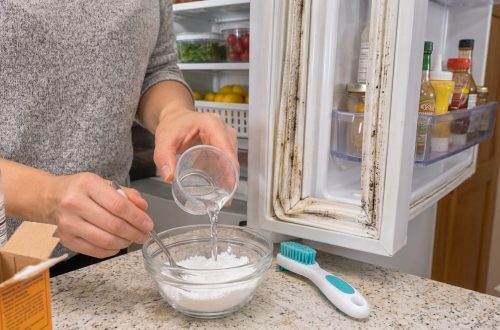
That unsightly grime and dark buildup around your refrigerator door gasket isn’t just an eyesore; it can also affect your fridge’s efficiency. Before you reach for harsh chemicals, consider a simple, natural solution that can gently lift away that stubborn dirt and leave your fridge looking and feeling much cleaner. This easy homemade cleaner uses everyday ingredients to refresh your kitchen’s hygiene without strong fumes. Ready to make those seals sparkle?
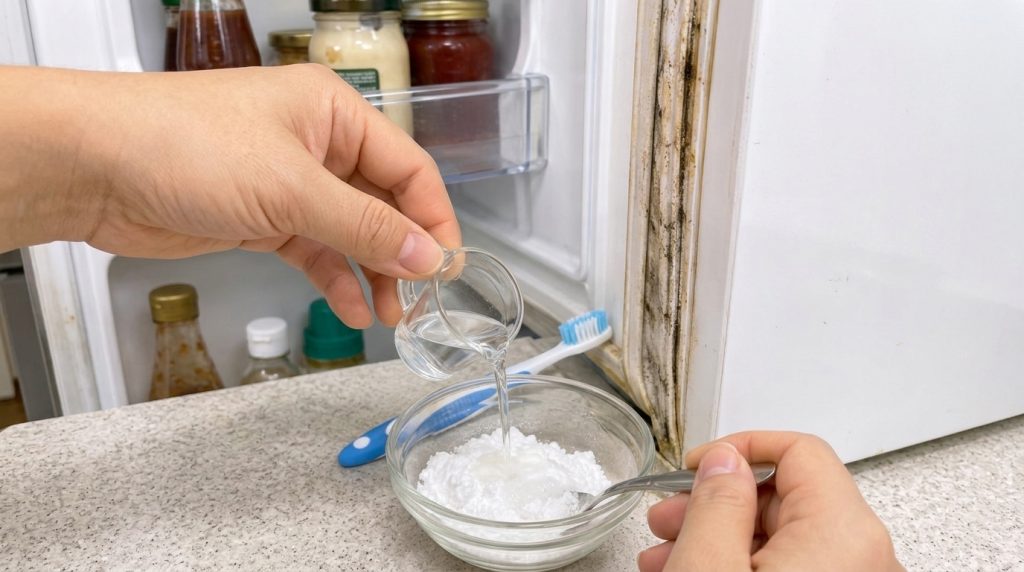
What You’ll Need
- 2-3 tablespoons baking soda (sodium bicarbonate)
- 1-2 tablespoons water (or enough to form a paste)
- Small mixing bowl
- Spoon
- Old toothbrush or small scrub brush
- Damp cloth or sponge
- Dry towel
Why This DIY Can Be Useful
This DIY cleaning solution harnesses the power of baking soda, a common household staple known for its mild abrasive and odor-absorbing properties. When mixed with water, it forms a gentle paste that can effectively scrub away grime, grease, and even mildew from various surfaces without scratching. It’s a non-toxic alternative to harsh chemical cleaners, making it safe to use in areas where food is stored.
How to Make It
- Combine Ingredients: Pour 2-3 tablespoons of baking soda into your small mixing bowl.
- Add Water: Gradually add water, one tablespoon at a time, to the baking soda.
- Mix to a Paste: Use your spoon to mix the ingredients thoroughly. You’re aiming for a thick, spreadable paste consistency, similar to toothpaste. If it’s too runny, add a little more baking soda. If it’s too thick, add a few drops more water.
How to Use It
- Prepare the Area: Make sure your refrigerator is unplugged or the door is securely open to allow easy access to the gasket. Remove any loose crumbs or debris from the seal with a dry cloth.
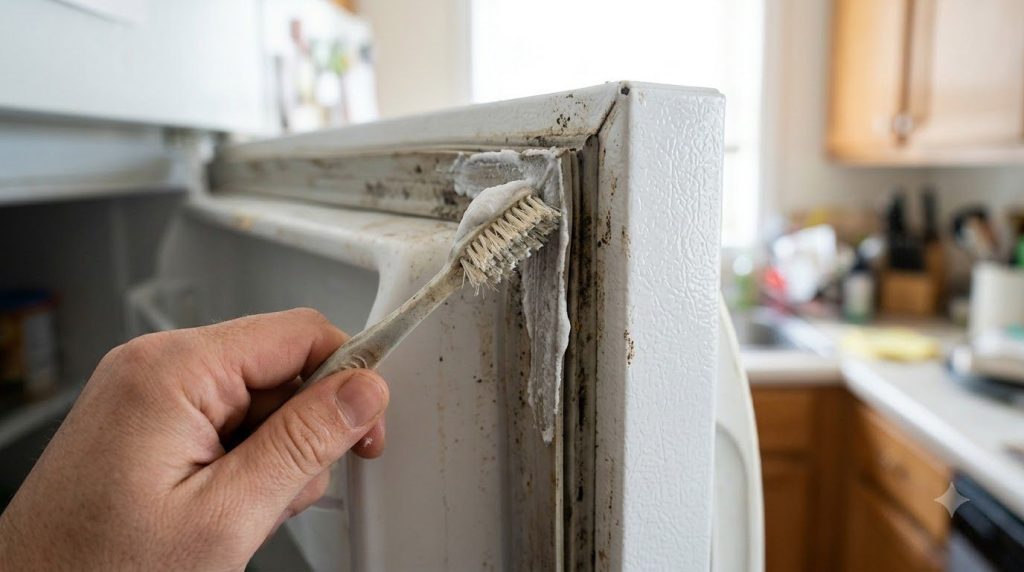
- Apply the Paste: Dip your old toothbrush or small scrub brush into the baking soda paste. Carefully apply a generous layer of the paste onto the dirty areas of the refrigerator door gasket.
- Let it Sit: Allow the paste to sit on the gasket for about 10-15 minutes. This gives the baking soda time to break down the grime and loosen stains.
- Scrub Gently: After the waiting time, use your toothbrush to gently scrub the paste into the gasket. Pay close attention to corners, crevices, and areas with heavy buildup. The bristles of the toothbrush are excellent for getting into tight spots.
- Wipe Clean: Use a damp cloth or sponge to thoroughly wipe away the baking soda paste and the lifted grime. Rinse your cloth frequently to ensure you’re removing all residue.
- Dry: Finish by wiping the gasket with a dry towel to remove any remaining moisture. This helps prevent future mold growth.
What to Expect
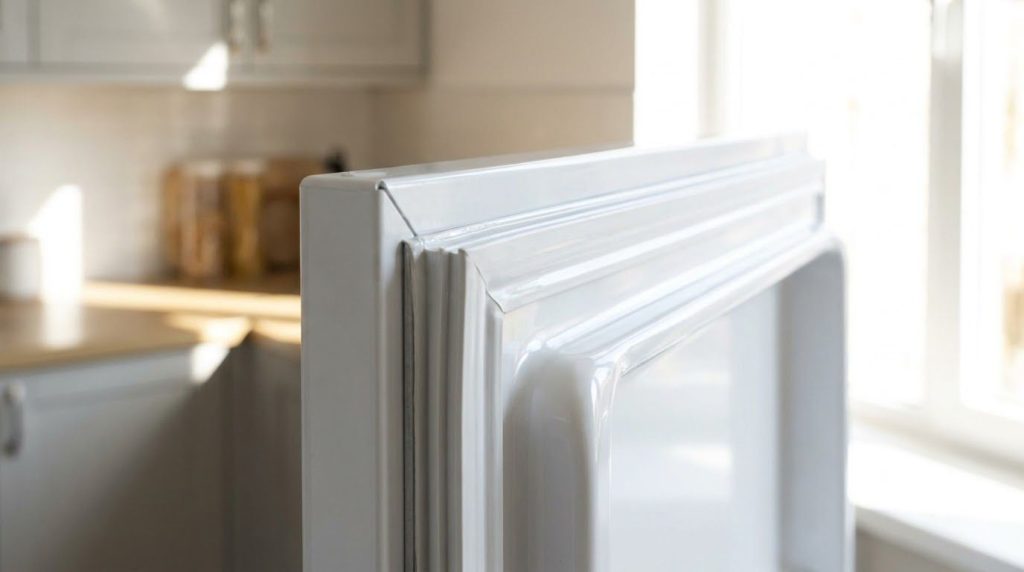
You can expect a noticeable improvement in the cleanliness of your refrigerator gasket. Most grime, dirt, and light mold stains should be significantly reduced or completely removed, leaving the seal looking much brighter and fresher. While this method is highly effective, extremely deep-set stains or heavily discolored rubber may require more than one application or a slightly longer soak time. Your fridge will feel much more hygienic overall.
Helpful Tips
- Regular Maintenance: To prevent heavy buildup, aim to clean your fridge gasket every 1-2 months. A quick wipe with a damp cloth during your regular kitchen cleaning can also make a big difference.
- For Tougher Stains: If you’re dealing with very stubborn mold, you can try substituting white vinegar for water in the paste. The reaction between baking soda and vinegar can provide extra fizzing action to help lift grime, but mix it right before application as it loses its effervescence quickly.
- Use Cotton Swabs: For extremely tight spots or delicate areas, cotton swabs can be dipped in the paste and used for precise application and scrubbing.
- Don’t Forget Underneath: Often, grime accumulates just under the lip of the gasket. Gently pull back the seal (if possible without damaging it) to clean these hidden areas.
Important Notes / Safety
- Patch Test: If you’re concerned about discoloration or damage, test the paste on a small, inconspicuous area of the gasket first, especially if your gasket is not white.
- Avoid Electrical Components: Be careful not to get excessive moisture or paste into any electrical components or wiring around the refrigerator door.
- Rinse Thoroughly: Always ensure all baking soda residue is completely rinsed away with a clean, damp cloth. Leftover baking soda can dry and leave a powdery white film.
- Ventilation: While baking soda is non-toxic, ensuring good ventilation in your kitchen during cleaning is always a good practice.