Ah, the garden. A place of beauty, growth, and sometimes, a little mystery! One of the most common dilemmas we face as gardeners is encountering a caterpillar. Our immediate thought might be, ‘Is this little creature a friend or a foe?’ After all, some caterpillars transform into magnificent butterflies and moths, while others can decimate our beloved plants in a blink. Understanding which is which is key to a thriving, balanced garden.
Here at Garden – L. Quyên, we believe in harmonious gardening. That means learning to live with nature, protecting the beneficial insects, and managing the pests in the most natural way possible. Let’s dive into the world of caterpillars and learn how to be a discerning gardener!
Understanding the Caterpillar Lifecycle
Before we label any caterpillar as friend or foe, it’s essential to remember their role. Caterpillars are the larval stage of butterflies and moths. This means every caterpillar has the potential to become a winged beauty, a pollinator, or an important part of the food chain. Our goal isn’t to eradicate all caterpillars, but to manage populations and protect our plants.
Identifying the Friends: Keep These!
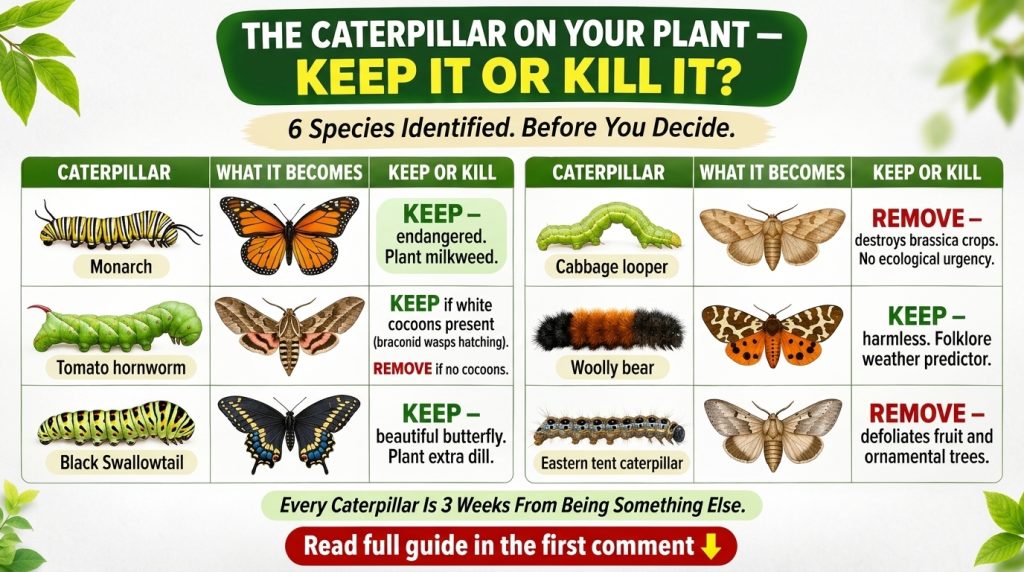
Many caterpillars are a joy to have in the garden, primarily because they are the precursors to important pollinators. Here are a few examples of caterpillars you might want to protect:
- Monarch Butterfly Caterpillars: These iconic striped caterpillars (black, yellow, and white bands) feed exclusively on milkweed. If you find them on your milkweed, celebrate! They’re on their way to becoming beautiful Monarchs.
- Swallowtail Butterfly Caterpillars: Often green with black and yellow markings, they can be found on dill, parsley, fennel, and carrot plants. They might munch a bit, but the reward of a magnificent Swallowtail butterfly is worth it.
- Hummingbird Moth Caterpillars: Large, green, and often with a horn-like tail, these can sometimes be confused with tomato hornworms, but they typically have smaller spots and are generally less destructive to garden plants, favoring honeysuckle or viburnum.
These ‘friendly’ caterpillars play a vital role in our ecosystem, contributing to pollination and biodiversity. Observing their transformation is one of gardening’s greatest rewards.
Identifying the Foes: Managing These Pests
Unfortunately, some caterpillars are genuine garden pests that can cause significant damage to your harvest and ornamental plants. It’s important to identify these quickly to prevent widespread destruction.
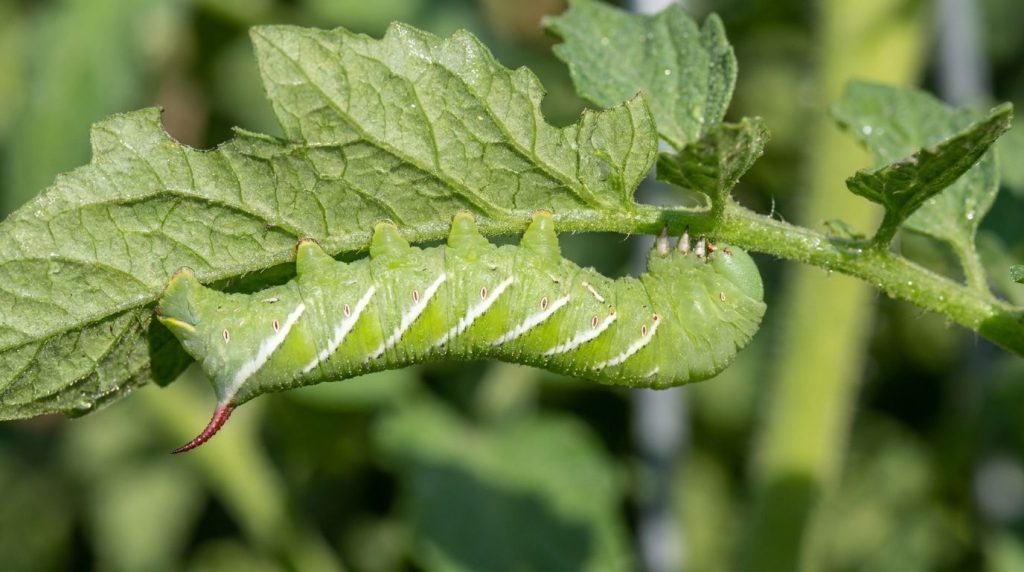
- Tomato Hornworms: Large, green caterpillars with distinctive V-shaped markings and a ‘horn’ at their rear end. They love to feed on tomato, potato, and pepper plants, often defoliating entire plants overnight.
- Cabbage Loopers: Small, green caterpillars that move in a distinctive ‘looping’ motion. They can be found on cabbage, broccoli, cauliflower, and other brassicas, chewing holes in leaves.
- Cutworms: These are typically dull gray or brown and curl into a ‘C’ shape when disturbed. They hide in the soil during the day and come out at night to sever young plant stems at ground level.
- Webworms: Often found in large communal webs on trees and shrubs, these caterpillars can defoliate branches, weakening the plant.
When you encounter these damaging caterpillars, it’s time to take action to protect your garden.
Natural Ways to Manage Pest Caterpillars
Even for the ‘foe’ caterpillars, we advocate for natural and organic management methods that won’t harm beneficial insects or the environment. Here are some effective strategies:
1. Manual Removal
This is often the simplest and most effective method for larger caterpillars like tomato hornworms. Simply pick them off your plants by hand and drop them into a bucket of soapy water, or relocate them far away from your garden (if non-native or highly destructive, disposal is usually recommended).
2. Encourage Natural Predators
Nature has its own pest control! Attract birds (like chickadees and bluebirds) to your garden by providing feeders and bird baths. Many beneficial insects, such as parasitic wasps (which lay their eggs inside caterpillars) and ground beetles, also prey on caterpillars. Plant flowers that attract these helpful insects, like dill, fennel, and marigolds.
3. Companion Planting
Certain plants can deter caterpillars or act as trap crops. For example, planting herbs like mint, garlic, and thyme around your susceptible vegetables can sometimes confuse or repel pests. Nasturtiums can act as a trap crop, drawing caterpillars away from your main plants.
4. Organic Sprays (Targeted Approach)
- Bacillus thuringiensis (Bt): This is a naturally occurring soil bacterium that specifically targets and kills caterpillars when they ingest it, without harming humans, pets, or other beneficial insects. It’s a highly effective organic solution for widespread infestations.
- Neem Oil: Derived from the neem tree, this oil acts as an antifeedant and insect growth regulator. It can deter caterpillars from feeding and disrupt their life cycle. Always follow dilution instructions carefully.
Remember to apply these sprays in the evening or early morning to avoid harming beneficial insects that are active during the day.
5. Good Garden Hygiene
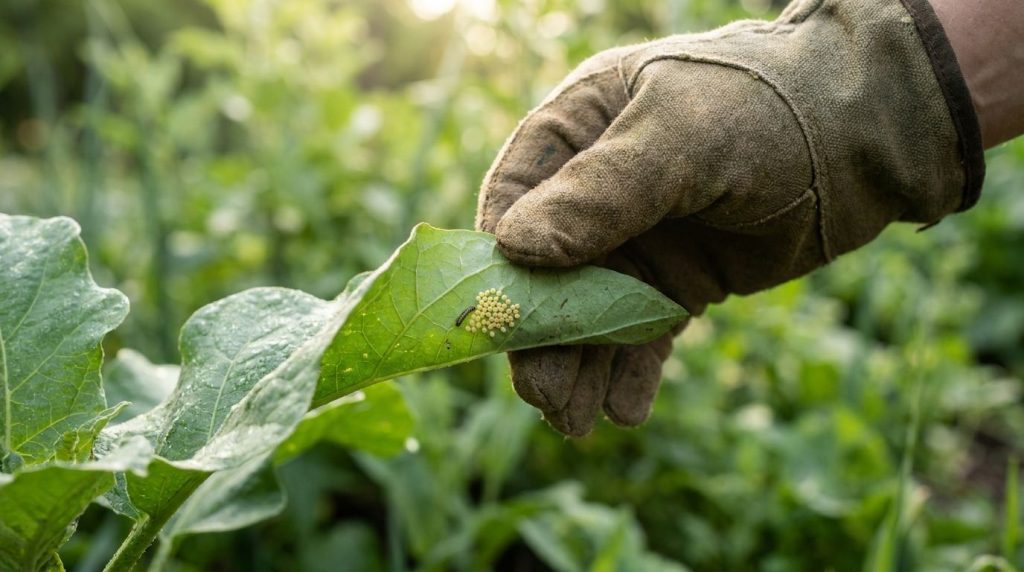
Regularly inspect your plants for caterpillars and their eggs (often found on the undersides of leaves). Remove any affected leaves or plant parts promptly. Keeping your garden free of weeds and debris can also reduce hiding spots for pests.
Prevention is Key
Preventing caterpillar problems before they start is always the best approach:
- Row Covers: For susceptible plants, use lightweight row covers to create a physical barrier against egg-laying moths and butterflies.
- Crop Rotation: Rotate your crops each season to prevent pest populations from building up in the soil.
- Healthy Soil: Strong, healthy plants grown in rich, well-draining soil are more resilient to pest attacks.
Embrace the Balance
Gardening is an ongoing lesson in balance and observation. By learning to identify which caterpillars are friends and which are foes, you can foster a healthier ecosystem in your garden while still enjoying a bountiful harvest. Embrace these natural methods, and you’ll find your garden thriving in harmony with nature!