Are you curious about ways to support your wellness journey and feel your best every day? Intermittent fasting, particularly the 16:8 method, has gained significant attention for its potential benefits. This straightforward approach focuses on when you eat, rather than what you eat, making it a manageable routine for many. Let’s dive into what 16:8 intermittent fasting is and how you can incorporate it into your healthy lifestyle.
What is 16:8 Intermittent Fasting?
The 16:8 method of intermittent fasting involves dividing your day into two windows: a 16-hour fasting period and an 8-hour eating period. During the 16-hour fasting window, you typically consume only water, black coffee, or plain tea. In the 8-hour eating window, you consume all your meals and snacks.
This pattern aims to extend the period during which your body is not actively digesting food, which may allow it to tap into fat stores for energy. It’s not a diet in the traditional sense, but rather an eating pattern that can be adapted to fit various dietary preferences and lifestyle choices.
How to Practice 16:8 Intermittent Fasting
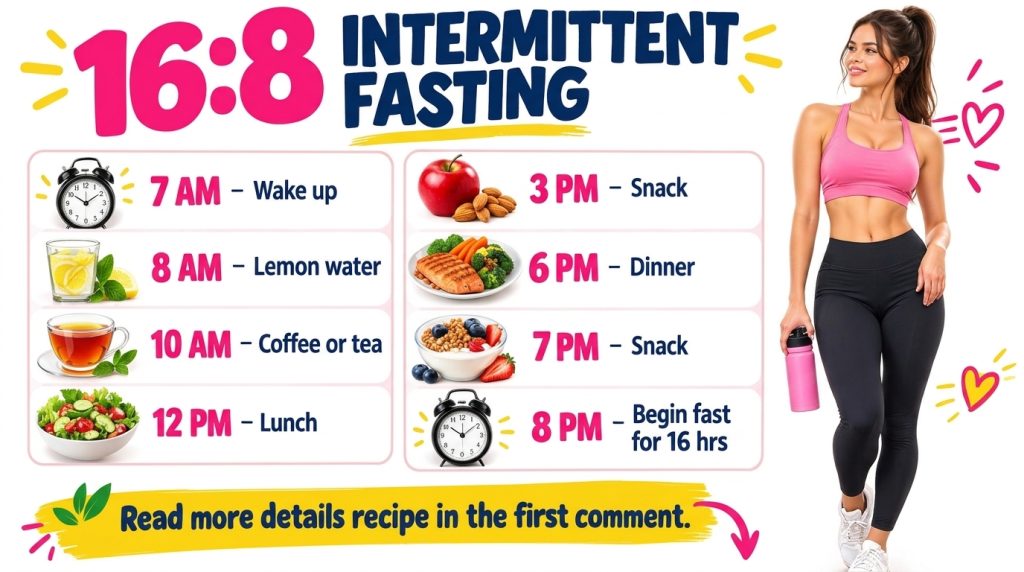
One of the most appealing aspects of the 16:8 method is its flexibility. Most people find it easiest to incorporate the 16-hour fast by skipping breakfast, or by having an early dinner. Here’s a common example of a daily schedule:
- Fasting Window (16 hours): 8 PM to 12 PM (the next day)
- Eating Window (8 hours): 12 PM to 8 PM
During the Fasting Window:
- Hydration is Key: Drink plenty of water. You can also enjoy black coffee, unsweetened tea, and sparkling water. These beverages contain minimal calories and won’t break your fast.
- Avoid Caloric Intake: Steer clear of any foods or drinks that contain calories, as this would interrupt the fasting state.
During the Eating Window:
- Balanced Meals: Focus on consuming nutritious, whole foods. Prioritize lean proteins, healthy fats, complex carbohydrates, and plenty of fruits and vegetables.
- Listen to Your Body: Eat until you are comfortably full, but avoid overeating. Remember, this isn’t a license to consume unhealthy foods excessively.
- Meal Timing: You might choose to have two larger meals, or three smaller meals within your 8-hour window, depending on your hunger and energy levels.
Potential Benefits of 16:8 Intermittent Fasting
While research is ongoing, 16:8 intermittent fasting is associated with several potential health benefits:
- Weight Management: By limiting the eating window, many individuals naturally reduce their calorie intake, which may support weight loss and fat reduction.
- Metabolic Health: Some studies suggest that intermittent fasting may help improve insulin sensitivity, which is beneficial for blood sugar regulation.
- Cellular Repair: Fasting periods may promote cellular repair processes, including autophagy, where cells remove damaged components.
- Reduced Inflammation: Research indicates that intermittent fasting could be associated with a reduction in inflammation markers in the body.
- Simplicity: For many, it’s easier to stick to an eating schedule than to constantly track calories or specific food groups.
Tips for Getting Started and Sticking With It
If you’re new to intermittent fasting, here are some practical tips to help you get started:
- Start Slowly: Don’t feel pressured to jump straight into 16 hours. You might begin with a 12-hour fast and gradually extend it as your body adapts.
- Stay Hydrated: As mentioned, this is crucial. Sometimes, thirst can be mistaken for hunger.
- Plan Your Meals: Ensure your meals within the eating window are nutrient-dense to provide sustained energy and satiety.
- Listen to Your Body: Pay attention to how you feel. If you experience severe hunger, dizziness, or fatigue, adjust your schedule or consult a healthcare professional.
- Be Patient: It can take a few days or even weeks for your body to fully adjust to a new eating pattern.
Important Considerations
While 16:8 intermittent fasting can be a supportive tool for many, it’s not suitable for everyone. Pregnant or breastfeeding women, individuals with a history of eating disorders, those with certain medical conditions (like diabetes), or people taking specific medications should consult a healthcare professional before starting any fasting regimen. Remember, this information is for educational purposes and should not be considered medical advice.
By adopting a structured yet flexible eating pattern like 16:8 intermittent fasting, you might find a new way to support your overall wellness and feel your best. It’s an easy routine to support your healthy habits and truly transform your daily health!