Nourish Your Body: A Guide to Whole Foods for Better Health
Have you ever wondered what truly fuels your body and helps you thrive? The answer often lies in the simplest, most natural ingredients: whole foods. In a world full of processed options, returning to basics can unlock a powerful path to better health, more energy, and a greater sense of well-being.
This guide will explore the incredible world of whole foods. We’ll define what they are, uncover their amazing health benefits, and give you practical tips to easily incorporate them into your daily meals. Get ready to nourish your body and revitalize your plate!
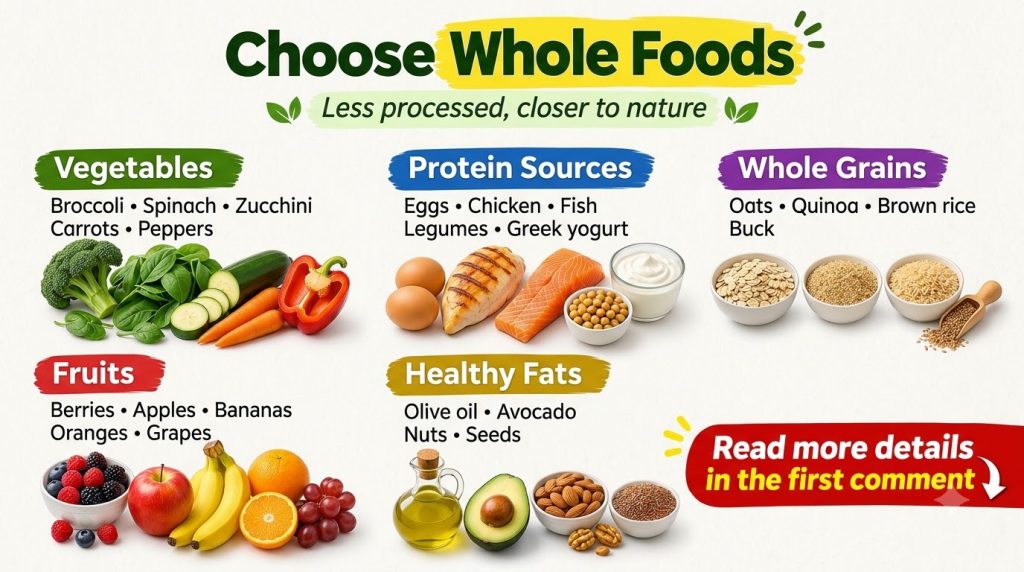
What Exactly Are Whole Foods?
Simply put, whole foods are ingredients that are unprocessed, or minimally processed, and are as close to their natural state as possible. Think of an apple picked from a tree, a raw almond, or a fresh chicken breast. These foods contain all their original nutrients, fiber, and beneficial compounds that are often stripped away during processing.
On the other hand, processed foods often contain added sugars, unhealthy fats, artificial ingredients, and excessive sodium. While convenient, they typically offer less nutritional value and can contribute to various health issues over time.
Why Choose Whole Foods? The Amazing Benefits
Embracing a diet rich in whole foods can bring about a cascade of positive changes for your health and daily life:
Packed with Essential Nutrients
- Vitamins and Minerals: Whole foods are a natural powerhouse of the vitamins and minerals your body needs to function optimally, from immune support to bone health.
- Antioxidants: Many whole foods, especially colorful fruits and vegetables, are rich in antioxidants that protect your cells from damage caused by free radicals.
Supports a Healthy Weight
- Fiber Content: The high fiber in whole grains, fruits, and vegetables helps you feel full longer, reducing the urge to overeat and supporting healthy digestion.
- Lower Calorie Density: Many whole foods offer more volume and nutrients for fewer calories compared to their processed counterparts, making them excellent for weight management.
Boosts Energy and Focus
Whole foods provide a steady release of energy due to their complex carbohydrates and fiber, preventing the sugar crashes often associated with highly processed snacks. This sustained energy can lead to better concentration and productivity throughout your day.
Promotes Digestive Health
The fiber in whole foods acts as a prebiotic, feeding the beneficial bacteria in your gut. A healthy gut microbiome is linked to improved digestion, enhanced immunity, and even better mood.
Reduces Risk of Chronic Diseases
Research suggests that a diet rich in whole foods can significantly lower the risk of developing chronic conditions such as heart disease, type 2 diabetes, and certain cancers. Their anti-inflammatory properties and nutrient density play a key role.
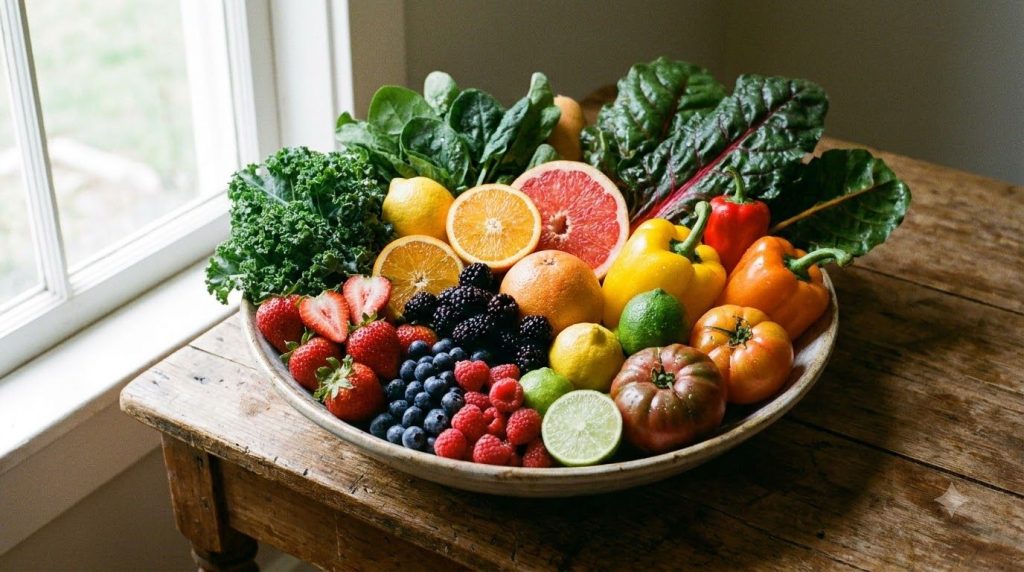
Key Categories of Whole Foods to Embrace
Building a whole foods diet is all about variety. Here are the main categories to focus on:
1. Fruits
Nature’s candy, packed with vitamins, minerals, fiber, and antioxidants. Enjoy them fresh, frozen, or gently cooked.
- Examples: Apples, bananas, berries, oranges, grapes, kiwi, mango.
2. Vegetables
The cornerstone of a healthy diet, offering a vast array of nutrients and very few calories. Aim for a rainbow of colors!
- Examples: Spinach, broccoli, carrots, bell peppers, sweet potatoes, kale, zucchini.
3. Whole Grains
Unlike refined grains, whole grains retain their bran, germ, and endosperm, providing fiber, B vitamins, and essential minerals.
- Examples: Oats, brown rice, quinoa, whole wheat bread/pasta, barley, farro.
4. Lean Proteins
Crucial for muscle repair, satiety, and overall body function. Choose unprocessed sources.
- Examples: Chicken breast, fish, eggs, beans, lentils, tofu, Greek yogurt, lean beef.
5. Healthy Fats
Essential for hormone production, nutrient absorption, and brain health. Opt for unsaturated fats.
- Examples: Avocados, nuts (almonds, walnuts), seeds (chia, flax), olive oil, fatty fish (salmon).

Practical Tips for Embracing a Whole Foods Diet
Making the switch to more whole foods doesn’t have to be overwhelming. Start small and build up!
Start with One Meal
Begin by making one meal a day entirely whole-food based. Your breakfast is a great place to start with oats, berries, and nuts.
Swap Smartly
Identify common processed items in your pantry and find whole-food alternatives. For instance, swap white rice for brown rice, or sugary cereal for oatmeal.
Read Labels
When you do buy packaged foods, check the ingredient list. Look for items with short lists and recognizable ingredients. Avoid those with high fructose corn syrup, hydrogenated oils, and artificial colors or flavors.
Cook More at Home
Cooking allows you to control the ingredients and ensure your meals are whole-food based. Experiment with new recipes and enjoy the process!
Stock Your Pantry Wisely
Keep your kitchen stocked with whole-food staples like oats, lentils, canned beans, frozen vegetables, and nuts. This makes healthy eating easier to achieve.
Don’t Strive for Perfection
It’s okay to enjoy treats now and then. The goal is progress, not perfection. Focus on making whole foods the majority of your diet.
FAQs About Whole Foods
Q1: Are all whole foods raw?
No, not all whole foods are raw. While raw foods are whole, cooking methods like steaming, roasting, or grilling vegetables, grains, and lean proteins still keep them in their whole-food state, enhancing digestibility and flavor.
Q2: Are whole foods more expensive?
Not necessarily. While some organic or specialty whole foods can be pricier, staples like beans, lentils, oats, seasonal fruits, and vegetables are often very affordable. Buying in bulk or choosing frozen options can also save money.
Q3: Can I lose weight by eating only whole foods?
Eating a diet rich in whole foods, which are often high in fiber and nutrients while being less calorie-dense, can certainly support healthy weight management. However, weight loss ultimately depends on consuming fewer calories than you burn, regardless of the food type.
Q4: What’s the difference between whole wheat and whole grain?
Whole wheat is a type of whole grain, specifically referring to wheat that retains all parts of the grain kernel. Whole grain is a broader term encompassing all grains (like oats, barley, rye) that contain the bran, germ, and endosperm.
Q5: How can I make whole foods appealing to my family?
Get creative! Involve family members in cooking, experiment with different spices and cooking methods, and present meals attractively. Gradually introducing new whole foods alongside familiar favorites can also help.
Q6: Is fruit sugar bad for you in whole foods?
The sugar in whole fruits (fructose) is naturally occurring and comes packaged with fiber, vitamins, and antioxidants. This fiber slows down sugar absorption, preventing rapid blood sugar spikes. It’s very different from added sugars found in processed foods.
Conclusion
Embracing whole foods is one of the most impactful steps you can take for your long-term health and vitality. By focusing on natural, unprocessed ingredients, you provide your body with the essential nutrients it needs to thrive, feel energized, and maintain a healthy weight. It’s a journey, not a destination, and every whole food choice you make is a step towards a healthier, happier you.
Ready to discover more ways to nourish your body? Explore our other articles for delicious recipes, healthy eating guides, and practical tips to elevate your plate!
This content is for educational purposes only and should not be considered medical advice. Consult a qualified healthcare professional for personalized dietary recommendations.