Most people ignore one of the most resourceful ingredients in their kitchen, tossing it straight into the bin without a second thought. We’re talking about the humble avocado pit. While the creamy green flesh gets all the attention, it turns out the large seed inside holds a surprising secret, one that many natural remedy enthusiasts are now grating, drying, and infusing for a powerful, skin-loving solution.
What if that discarded pit could become your next natural secret for skin hydration and vitality? Forget expensive serums; this DIY method leverages what you already have, transforming kitchen scraps into a potent, antioxidant-rich remedy. Let’s dive into how you can make the most of this overlooked natural resource.
What It Is: The Avocado Pit Infusion
This remedy involves creating an infused oil from dried, grated avocado pits. The pits are rich in antioxidants, fatty acids, and other compounds that, when extracted into a carrier oil, can be incredibly beneficial for topical use. Think of it as a DIY botanical extract, designed to nourish and protect the skin and hair.
When infused, the pits release their potent compounds into the oil, creating a golden elixir. This oil can then be used in various ways – as a moisturizing body oil, a scalp treatment, or even added to homemade balms and lotions. It’s a simple, sustainable way to harness nature’s bounty, ensuring nothing goes to waste.
Ingredients You’ll Need
The beauty of this remedy lies in its simplicity. You only need two core ingredients:
- Avocado Pits: Collect 3-5 pits from ripe avocados. Ensure they are clean and free of any avocado flesh.
- Carrier Oil: Approximately 1 cup of a high-quality, cold-pressed carrier oil. Excellent choices include:
- Olive Oil (extra virgin): Widely available, cost-effective, and deeply moisturizing.
- Jojoba Oil: Mimics natural skin sebum, great for all skin types, and has a long shelf life.
- Sweet Almond Oil: Light, nourishing, and easily absorbed.
- Grapeseed Oil: A lighter option, good for oily or acne-prone skin.
Choose an oil that suits your skin type and preferred texture. The quality of your carrier oil directly impacts the effectiveness and stability of your final infusion.
Approximate Measurements
While this isn’t an exact science, a good ratio ensures a potent infusion without excessive waste:
- 3-5 avocado pits (depending on size)
- 1 cup (approx. 240ml) of chosen carrier oil
This ratio allows for a strong enough infusion while ensuring the pits are fully submerged in the oil, which is crucial for proper extraction and preventing spoilage.
Formula / Recipe Overview
The process involves preparation, drying, grating, infusing, and straining. Each step is critical for a safe and effective final product. The key is patience, particularly during the drying and infusion stages, as these allow the beneficial compounds to properly transfer to the oil.
Quick Tip: Fresh vs. Dried Pits
While some recipes suggest using fresh pits, drying them first is highly recommended. Drying reduces moisture content, preventing mold and extending the shelf life of your infused oil. It also makes grating much easier.
Step-by-Step Method: Making Your Avocado Pit Infusion
-
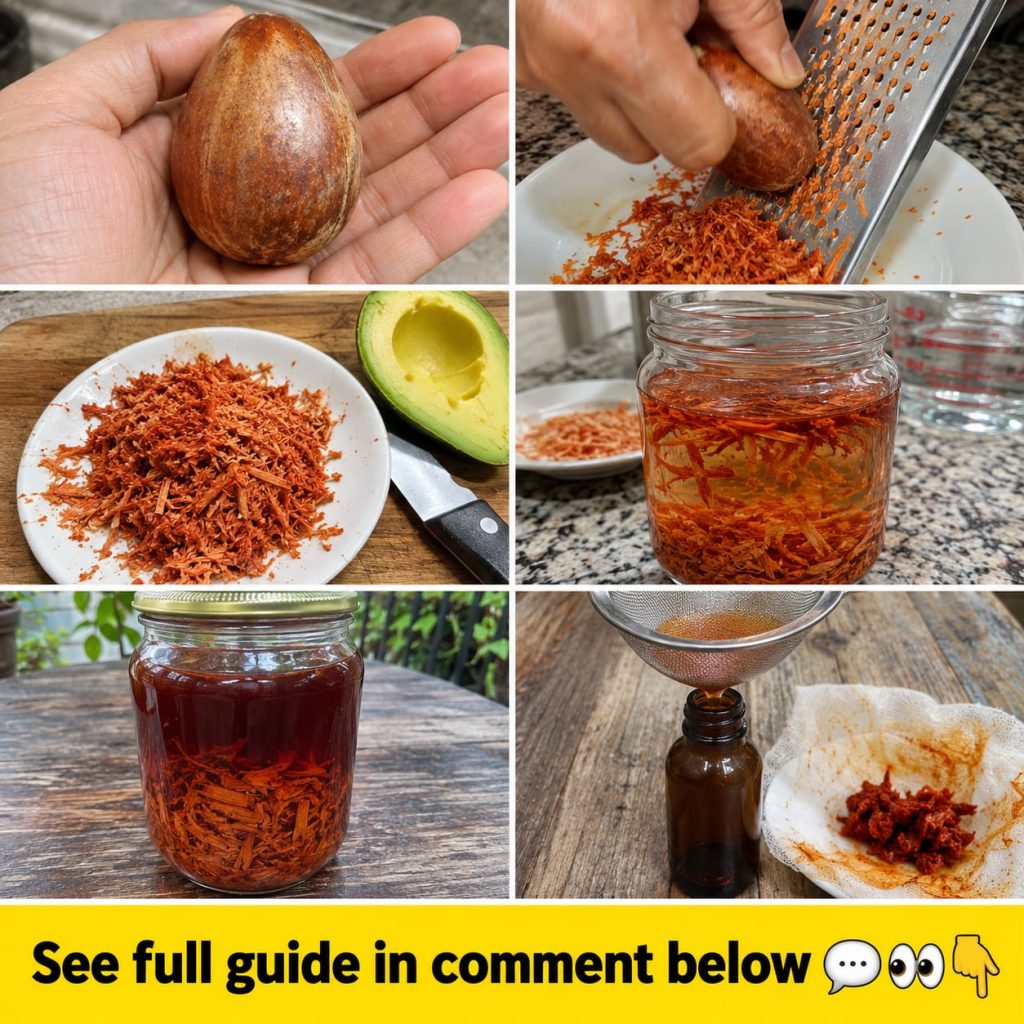
Clean the Pits:
After enjoying your avocados, thoroughly wash the pits to remove all traces of green flesh. Rub them vigorously under running water until they feel clean and smooth.
-
Dry the Pits:
This is a crucial step. Place the clean pits on a clean towel or paper towel in a well-ventilated area away from direct sunlight. Let them air dry completely for several days, or even up to a week. They should feel light, hard, and free of any moisture. You can also bake them at a low temperature (around 200°F / 93°C) for 1-2 hours until thoroughly dry and slightly browned, but air drying preserves more of their delicate compounds.
-
Grate the Pits:
Once completely dry, use a strong grater (the fine side of a box grater works well) to grate the pits. Be careful, as they can be quite hard. The smaller the pieces, the more surface area for infusion. You’ll end up with reddish-brown flakes.
-
Prepare for Infusion:
Place the grated avocado pit into a clean, dry, heat-safe glass jar (like a Mason jar). Ensure the jar is sterilized.
-
Add Carrier Oil:
Pour your chosen carrier oil over the grated pits, making sure they are fully submerged. There should be at least an inch of oil covering the top of the grated material to prevent oxidation and mold.
-
Infuse the Oil (Slow Method):
Seal the jar tightly. Place it in a cool, dark place for 4-6 weeks. Shake the jar gently every day or two to encourage infusion. This slow, cold infusion method is ideal for preserving the delicate properties of the pit.
-
Infuse the Oil (Warm Method – Optional):
For a quicker infusion, you can use a double boiler or a slow cooker on a very low setting. Heat the oil and pits gently for 4-8 hours, ensuring the temperature does not exceed 120°F (49°C). This speeds up the process but can degrade some heat-sensitive compounds. Never expose the oil directly to high heat.
-
Strain the Oil:
After the infusion period, strain the oil through a fine-mesh sieve lined with cheesecloth. Squeeze out all the oil from the grated pits. Discard the spent pit material.
-
Store Your Infusion:
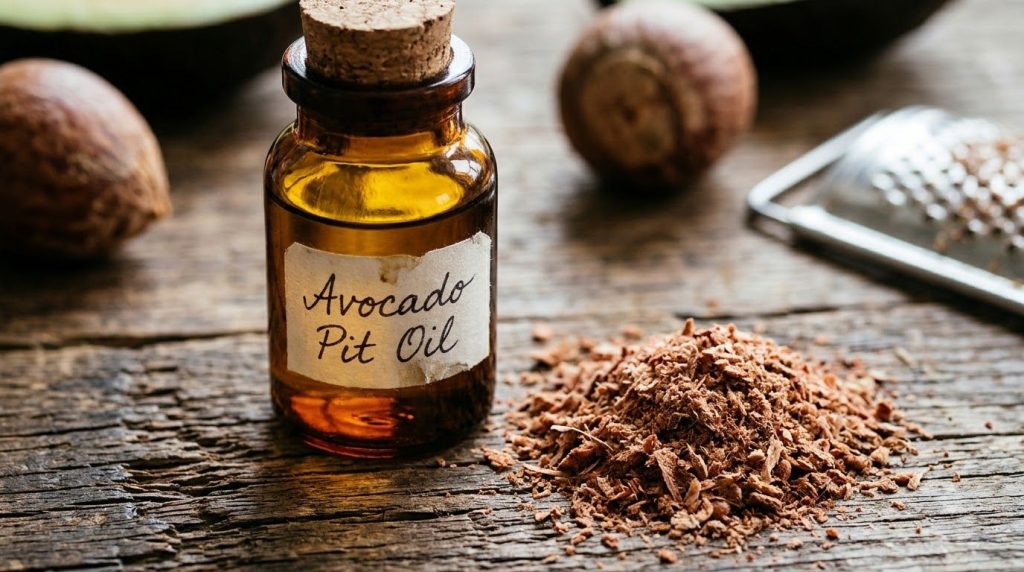
Pour the finished avocado pit infused oil into a clean, dark glass bottle with a tight-fitting lid. Label it with the date.
How to Use Your Avocado Pit Infusion
This infused oil is primarily for external, topical use:
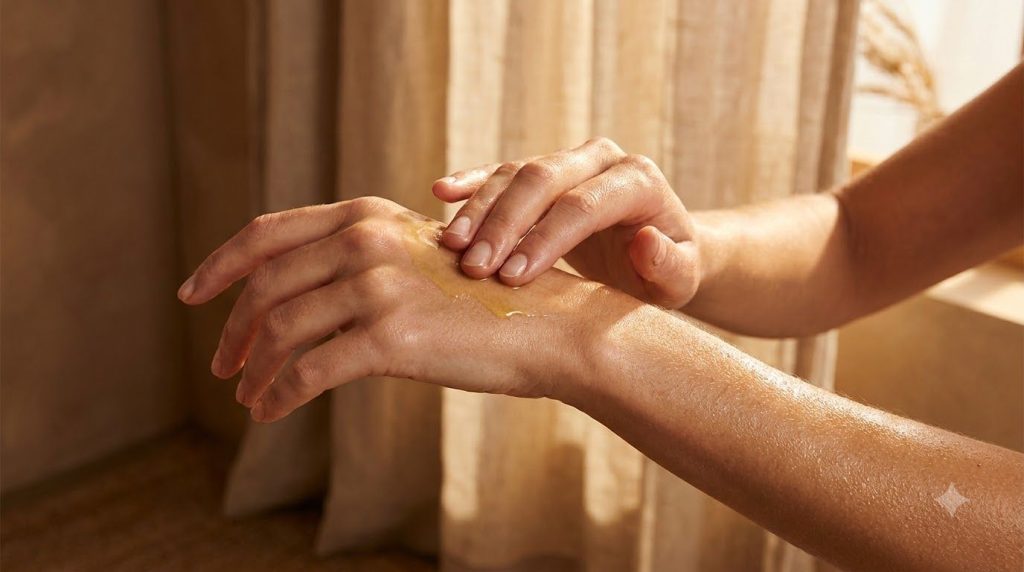
- Skin Moisturizer: Apply a few drops to clean skin, massaging gently until absorbed. Ideal for dry patches, hands, or as an all-over body oil.
- Hair & Scalp Treatment: Massage into the scalp and hair strands an hour before shampooing, or use a tiny amount on damp hair ends to tame frizz and add shine.
- Nail & Cuticle Oil: Rub a drop into nails and cuticles daily to strengthen and moisturize.
- Massage Oil: Its smooth texture makes it an excellent base for a soothing massage oil.
How Often to Use
For skin and hair benefits, you can use the infused oil:
- Daily: For general moisturizing and skin nourishment.
- 2-3 times per week: As a targeted scalp or hair treatment.
Always perform a patch test first to ensure no allergic reaction, especially if you have sensitive skin.
How to Buy / How to Choose Ingredients
- Avocados: Opt for organic avocados whenever possible to minimize exposure to pesticides, especially since you are using the pit. Choose ripe, blemish-free avocados.
- Carrier Oils: Look for cold-pressed, unrefined, and organic carrier oils from reputable brands. This ensures maximum nutrient content and purity. Store them properly in dark bottles away from heat and light to prevent rancidity.
Storage
Proper storage is essential to maintain the potency and shelf life of your infused oil:
- Store the oil in a dark glass bottle to protect it from light.
- Keep it in a cool, dark place, away from direct sunlight and heat. A cabinet or pantry is ideal.
- Properly stored, your avocado pit infused oil can last for 6 months to 1 year, depending on the carrier oil’s shelf life. If you notice a change in smell (rancid odor) or appearance, discard it.
Practical Tips for Enhanced Results
- Add Essential Oils: Once strained, you can add a few drops of skin-safe essential oils like lavender, frankincense, or tea tree for added benefits and a pleasant aroma. Use about 5-10 drops per ounce of infused oil.
- Label Everything: Always label your homemade remedies with the ingredients and the date they were made to track freshness.
- Start Small: When trying any new remedy, apply a small amount to a discreet area first to check for sensitivity.
Did You Know?
Avocado pits are surprisingly rich in phenolic compounds, which are potent antioxidants. These compounds are believed to help combat oxidative stress, making them valuable in skincare formulations.
For more natural skincare recipes, you may also like: The Ultimate Turmeric Mask for Radiant Skin.
Common Mistakes to Avoid
Making your own remedies is rewarding, but a few missteps can ruin your batch:
| Mistake | Why It’s a Problem | How to Avoid |
|---|---|---|
| Using wet or undried pits | Introduces moisture, leading to mold and spoilage in the oil. | Thoroughly wash and air-dry pits for several days until completely dry. |
| Not fully submerging pits in oil | Exposed material can oxidize, become rancid, or grow mold. | Ensure all grated pit material is covered by at least 1 inch of oil. |
| Using rancid carrier oil | Negates benefits and can cause skin irritation. | Always use fresh, high-quality carrier oils with a good shelf life. |
| Skipping the straining step | Small particles can remain in the oil, potentially leading to spoilage. | Strain thoroughly through cheesecloth to remove all solids. |
Cautions / Who Should Avoid It
- Patch Test: Always perform a patch test on a small area of skin (e.g., inner forearm) 24-48 hours before widespread use, especially if you have sensitive skin or known allergies.
- Avocado Allergy: If you have a known allergy to avocados, avoid using this remedy as it could trigger a reaction.
- Internal Use: This remedy is for external, topical use only. Avocado pits are not recommended for internal consumption due to compounds that may be toxic when ingested in large quantities.
- Consult a Professional: If you are pregnant, breastfeeding, or have any underlying skin conditions, consult with a healthcare professional before incorporating new remedies into your routine.
Quick Summary
Don’t discard those avocado pits! Grate and dry them, then infuse into a carrier oil like olive or jojoba for 4-6 weeks. Strain the resulting oil and use topically as a nourishing skin moisturizer or hair treatment. Store in a dark bottle in a cool place. Always ensure pits are completely dry to prevent mold, and perform a patch test before full application.
Related remedy: Discover Natural Hair Rinses for Amazing Shine.
FAQ
Q1: Can I use fresh avocado pits for this infusion?
A: It’s highly recommended to dry the pits completely before grating and infusing. Fresh pits contain moisture which can lead to mold and bacterial growth in your oil, spoiling the remedy.
Q2: How long does the avocado pit infused oil last?
A: When stored properly in a dark glass bottle in a cool, dark place, the oil can last for 6 months to 1 year, depending on the shelf life of your chosen carrier oil. Always check for signs of rancidity (off smell) before use.
Q3: What’s the best carrier oil to use?
A: Olive oil is a popular, affordable choice. Jojoba oil is excellent for all skin types and has a long shelf life. Sweet almond oil and grapeseed oil are also good options. Choose based on your skin needs and preference.
Q4: Can this oil help with hair growth?
A: While the antioxidants in avocado pits can support a healthy scalp environment, which is conducive to hair health, direct claims about hair growth are not scientifically proven. It can, however, help moisturize the scalp and add shine to hair.
Q5: Is it safe to use on my face?
A: For most skin types, yes, after a successful patch test. The oil is nourishing and rich in antioxidants. However, if you have very sensitive or acne-prone skin, start with a tiny amount or consult a dermatologist.
Q6: What if my oil starts to smell bad?
A: A rancid smell indicates the oil has gone bad, likely due to moisture in the pits or expired carrier oil. Discard the batch and ensure you thoroughly dry your pits and use fresh oil for your next attempt.
Q7: Can I use the infused oil internally?
A: No, this remedy is for topical use only. Avocado pits contain compounds that are not recommended for internal consumption.
Continue reading: The Unexpected Benefits of Clove Oil for Skin and Hair.
The Undiscovered Potential in Your Kitchen
Who knew that such a valuable remedy was hiding in plain sight, often thrown away without a thought? By taking a few extra steps, you can transform discarded avocado pits into a nourishing, antioxidant-rich oil for your skin and hair. This simple DIY not only reduces waste but also empowers you to create natural, effective solutions right in your own home. Give it a try, and you might just discover your new favorite remedy!