Chia seeds are tiny powerhouses, packed with fiber, omega-3 fatty acids, protein, and various micronutrients. They’re celebrated for their ability to boost digestive health, support heart health, and provide sustained energy. However, many people might not be unlocking the full potential of these super seeds due to common preparation errors. If your chia seed pudding isn’t quite right, or you’re not feeling the benefits you expected, you might be making one of these simple mistakes. Let’s dive in and ensure you’re getting the most out of every tiny seed!
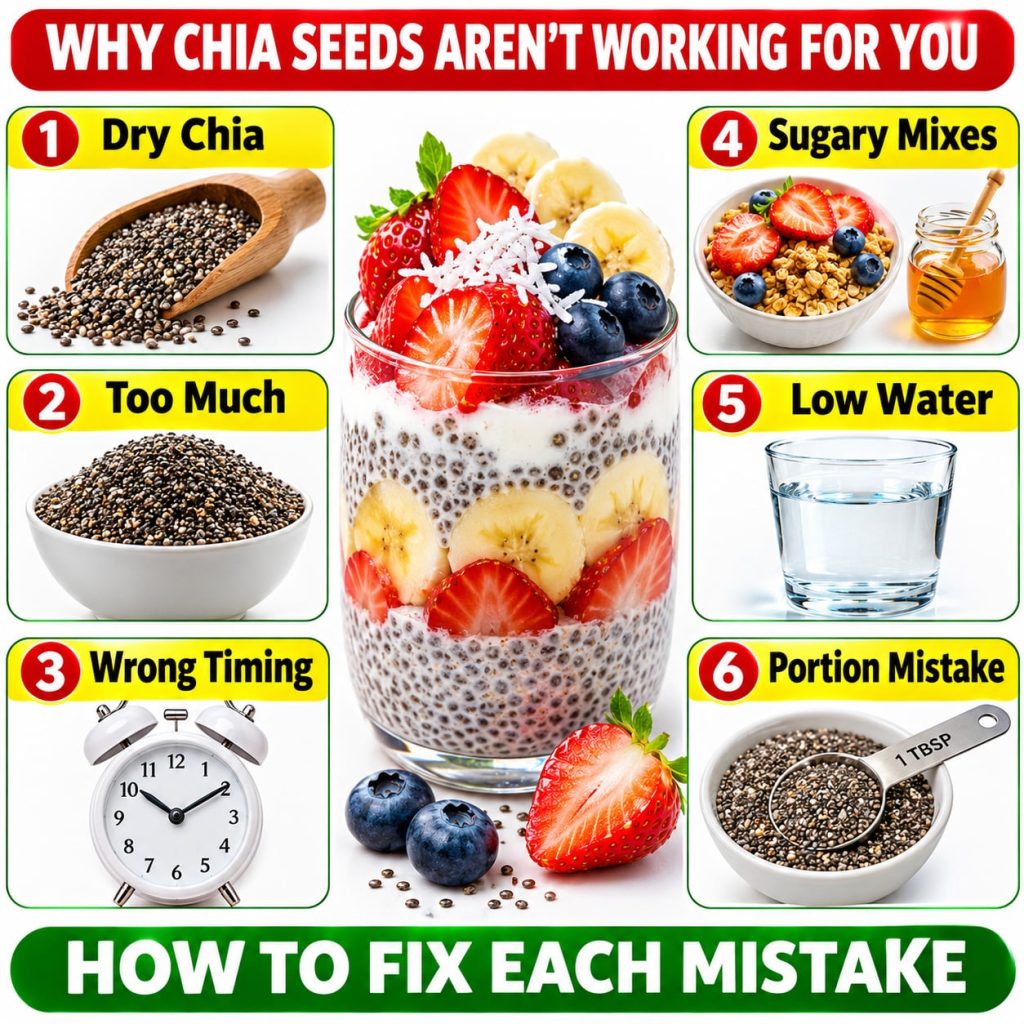
Mistake #1: Not Soaking Them (or Not Soaking Them Enough)
This is arguably the most common oversight. Chia seeds are hydrophilic, meaning they love water and can absorb up to 10-12 times their weight in liquid. When dry, they pass through your digestive system quickly, and your body might not fully absorb all the wonderful nutrients they hold.
Why Soaking Matters:
- Nutrient Absorption: Soaking helps break down the outer layer, making the nutrients more bioavailable for your body to absorb.
- Digestive Ease: The gel-like consistency they form when soaked makes them easier to digest and can aid in smooth digestion.
- Texture and Volume: Soaking transforms them from tiny, hard seeds into a voluminous, pudding-like consistency, perfect for various recipes.
The Fix: Always soak your chia seeds before consuming them. Aim for at least 20-30 minutes, but ideally, soak them overnight in the refrigerator for the best results.
Mistake #2: Using the Wrong Liquid-to-Seed Ratio
Getting the consistency right is key to enjoyable chia seed recipes. Too little liquid, and you’ll have a clumpy, thick paste. Too much, and you’ll end up with a watery, thin mixture that lacks that satisfying gel.
The Ideal Ratio:
- A good starting point is a 1:4 ratio of chia seeds to liquid. For example, 1/4 cup of chia seeds to 1 cup of liquid.
- You can adjust this slightly based on your desired consistency. For a thicker pudding, use a little less liquid; for a thinner, more drinkable consistency, add more.
The Fix: Experiment to find your preferred ratio, but always ensure there’s enough liquid for the seeds to fully expand and form a gel.
Mistake #3: Not Stirring Thoroughly
When you first add chia seeds to liquid, they tend to clump together if not properly agitated. These clumps can lead to dry pockets within your mixture, where seeds haven’t absorbed liquid effectively.
The Importance of Stirring:
- Even Hydration: Proper stirring ensures every seed gets thoroughly coated and begins to absorb liquid.
- Smooth Texture: It prevents dry pockets and creates a uniform, smooth gel.
The Fix: Immediately after adding chia seeds to your liquid, stir vigorously for 1-2 minutes. Then, let it sit for 5 minutes and stir again. This second stir helps break up any remaining clumps as the gelling process begins.
Mistake #4: Not Giving Them Enough Time to Gel
Patience is a virtue, especially when it comes to chia seeds. While they start absorbing liquid quickly, they need adequate time to fully hydrate and develop their characteristic gel.
Why Time is Crucial:
- Full Expansion: Only with sufficient time can the seeds fully expand and form the soft, digestible gel.
- Nutrient Release: The gelling process aids in breaking down the seeds’ outer layers, making nutrients more accessible.
The Fix: While 20-30 minutes can work in a pinch, aim for at least 2 hours, or even better, overnight in the refrigerator. This allows for maximum gelling and nutrient absorption.
Mistake #5: Limiting Chia Seeds to Just Sweet Puddings
Many people only think of chia seeds in the context of sweet breakfast puddings or smoothies. While delicious, this limits their incredible versatility in savory dishes.
Expand Your Chia Horizons:
- Thickening Agent: Use ground chia seeds as a natural thickener for soups, stews, and sauces.
- Egg Substitute: A ‘chia egg’ (1 tablespoon ground chia seeds + 3 tablespoons water, let sit for 5 minutes) can replace an egg in baking recipes.
- Crusts and Coatings: Add to breadings for baked chicken or fish for extra crunch and nutrients.
- Salad Toppings: Sprinkle dry chia seeds over salads for a mild nutty flavor and added fiber.
The Fix: Don’t be afraid to experiment! Incorporate chia seeds into a wider variety of your meals, both sweet and savory.
Unlock Their Full Potential
By avoiding these common preparation mistakes, you can significantly enhance your chia seed experience and unlock all the amazing benefits these tiny seeds have to offer. From improved digestion to better nutrient absorption, a little extra attention to how you prepare them can make a big difference in your health journey. So go ahead, soak, stir, and savor the full power of chia seeds!