Chia seeds are tiny powerhouses, packed with omega-3 fatty acids, fiber, protein, and essential minerals. They’ve become a staple in many healthy diets, celebrated for their ability to boost energy, support digestion, and keep you feeling full. However, if you’ve been adding chia seeds to your smoothies or puddings without feeling the amazing benefits, you might be making one of these common preparation mistakes.
Don’t worry! Unlocking the full potential of these super seeds is easier than you think. We’re breaking down the most frequent missteps and providing simple fixes to ensure you’re getting every ounce of goodness from your chia seeds.
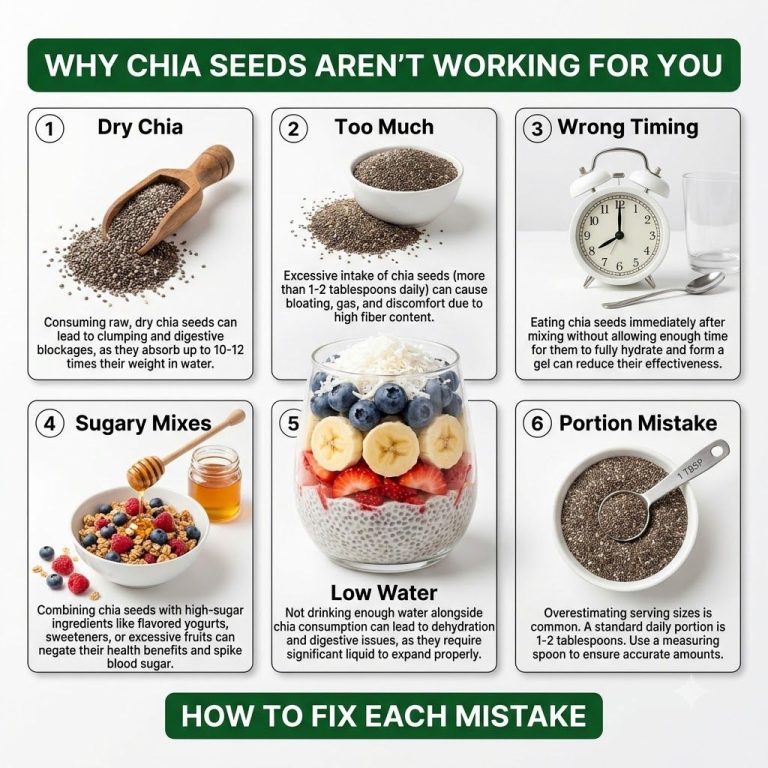
Mistake 1: Not Soaking Them Properly
Perhaps the most common error is not giving chia seeds enough time or liquid to fully hydrate. When properly soaked, chia seeds absorb liquid and form a gel-like consistency. This process not only makes them easier to digest but also activates their full nutrient potential. Eating them dry can lead to digestive discomfort, as they’ll absorb water from your body.
The Fix:
- Proper Ratio: Aim for a 1:4 ratio of chia seeds to liquid. For example, 2 tablespoons of chia seeds to 1/2 cup of liquid (water, milk, or plant-based milk).
- Soaking Time: Let them sit for at least 15-30 minutes, or even better, overnight in the refrigerator. Stir occasionally to prevent clumping.
Mistake 2: Using Too Little Liquid
While similar to not soaking properly, using too little liquid means your chia seeds won’t fully expand. This results in a dense, paste-like texture that can be unappetizing and less effective at providing hydration and fiber benefits.
The Fix:
- Be Generous: Don’t be shy with the liquid. If your chia mixture looks too thick, simply add more liquid until it reaches your desired consistency. Remember, they continue to absorb as they sit.
- Adjust for Recipes: Different recipes might call for varying consistencies. If you’re making a pudding, you might want a thicker texture, but for adding to a drink, ensure they’re fully hydrated first.
Mistake 3: Overlooking Freshness and Storage
Like any natural product, chia seeds can lose their potency and flavor if they’re old or improperly stored. Exposure to air, light, and heat can cause the healthy fats in chia seeds to oxidize, leading to a rancid taste and diminished nutritional value.
The Fix:
- Check Expiry Dates: Always pay attention to the best-by date on the package.
- Airtight Container: Store chia seeds in a cool, dark place in an airtight container. The pantry is usually fine, but for extended freshness, consider refrigerating them.
- Buy in Moderation: Purchase smaller quantities if you don’t use them frequently to ensure you’re always consuming fresh seeds.
Mistake 4: Eating Them Dry (Without Enough Hydration)
Consuming dry chia seeds, especially in large amounts, without drinking enough additional fluids can be problematic. They absorb a significant amount of liquid, and if that liquid comes from your body, it can lead to dehydration or blockages, particularly if you have digestive sensitivities.
The Fix:
- Always Hydrate: Ensure you’re drinking plenty of water throughout the day, especially if you enjoy sprinkling dry chia seeds on your meals.
- Pre-Soak is Best: For optimal digestion and nutrient absorption, always pre-soak your chia seeds before adding them to dishes.
Mistake 5: Not Adding Flavor or Texture
Plain chia seed pudding can be bland for some. If you’re struggling to incorporate them into your diet because of taste or texture, you’re missing out on a delicious and nutritious opportunity!
The Fix:
- Get Creative with Flavors: Blend your chia seeds with fruits (berries, banana, mango), add spices (cinnamon, vanilla extract, cocoa powder), or sweeten with a touch of maple syrup or honey.
- Layer with Textures: Top your chia pudding with nuts, seeds (other than chia!), granola, or fresh fruit for added crunch and visual appeal.
Mistake 6: Overcooking/Overheating
While chia seeds are quite resilient, excessive and prolonged heat can potentially degrade some of their delicate nutrients, particularly the omega-3 fatty acids. While brief exposure to heat (like in baked goods) is generally fine, it’s best to avoid prolonged high-temperature cooking when their primary benefit is the omega-3 content.
The Fix:
- Add Post-Cooking: For maximum nutrient preservation, add soaked chia seeds to warm dishes after they’ve finished cooking, or incorporate them into cold recipes like smoothies, yogurts, and puddings.
- Gentle Baking: If baking with chia, ensure cooking times are not excessively long or at very high temperatures.
By understanding and correcting these common preparation mistakes, you can significantly enhance your chia seed experience. These tiny seeds are truly a nutritional powerhouse, and with a little attention to how you prepare them, you’ll be able to enjoy all their amazing health benefits. Start implementing these simple fixes today and transform your wellness journey!