Oats are a breakfast staple for many, cherished for their versatility, comforting texture, and impressive nutritional profile. But with so many options available on grocery store shelves—from steel-cut to rolled to instant—it’s easy to wonder: which oat variety truly offers the most benefits for your health? Each type brings something unique to your table, influencing not only cooking time but also texture, digestion, and glycemic impact. Let’s dive deep into the world of oats to help you make informed choices for your diet.
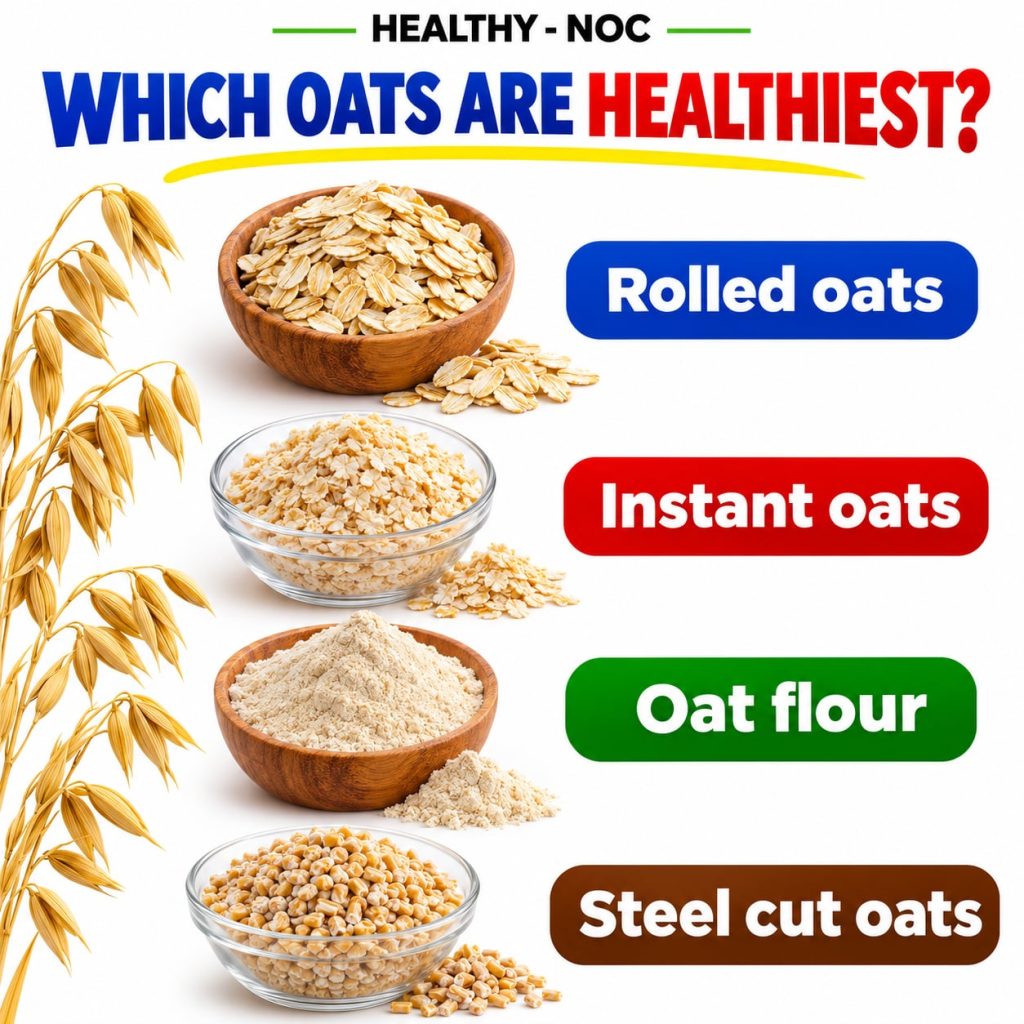
The Nutritional Powerhouse: Why Oats are Good for You
Before we differentiate between the varieties, let’s appreciate what all oats bring to the table. Oats are whole grains, meaning they contain all three parts of the grain kernel: the bran, germ, and endosperm. This makes them rich in:
- Fiber: Especially beta-glucan, a soluble fiber known to help support healthy cholesterol levels and promote digestive health.
- Protein: A good source of plant-based protein, contributing to satiety and muscle maintenance.
- Vitamins and Minerals: Including manganese, phosphorus, magnesium, copper, iron, zinc, folate, and B vitamins.
- Antioxidants: Such as avenanthramides, which have anti-inflammatory properties.
These nutrients collectively contribute to various health benefits, including supporting heart health, blood sugar management, and a healthy gut.
Steel-Cut Oats: The Heartiest Choice
What They Are
Also known as Irish or Scottish oats, steel-cut oats are the least processed form of oat groats (the hulled kernels). They are simply oat groats that have been cut into two or three smaller pieces with steel blades.
Nutritional Profile & Benefits
- Texture: Chewy and substantial.
- Cooking Time: Longest (20-30 minutes), often requiring soaking or slow cooking.
- Glycemic Index (GI): Lowest among all oat types, which means they cause a slower, more gradual rise in blood sugar. This can be particularly beneficial for those managing blood sugar levels.
- Fiber Content: High, providing sustained energy and satiety.
Best Uses
Perfect for a hearty breakfast, overnight oats, or savory oat dishes. Their robust texture holds up well to longer cooking.
Rolled Oats: The Versatile Classic
What They Are
Also known as old-fashioned oats, rolled oats are oat groats that have been steamed, flattened into flakes, and then lightly toasted. This process stabilizes the oats and reduces their cooking time.
Nutritional Profile & Benefits
- Texture: Softer than steel-cut, but still with a good chew.
- Cooking Time: Medium (5-10 minutes).
- Glycemic Index (GI): Medium, slightly higher than steel-cut but still a good source of complex carbohydrates.
- Versatility: Extremely versatile for cooking and baking.
Best Uses
Ideal for traditional oatmeal, baking (oatmeal cookies, granola bars), making granola, and as a thickener in soups or stews.
Instant Oats: The Quick & Convenient Option
What They Are
Instant oats, or quick oats, are the most processed variety. They are pre-cooked, dried, and then rolled even thinner than old-fashioned oats. This allows them to cook very quickly by simply adding hot water.
Nutritional Profile & Benefits
- Texture: Soft and sometimes mushy.
- Cooking Time: Fastest (1-2 minutes).
- Glycemic Index (GI): Highest among oat types due to their finer texture and greater surface area, which means they are digested more quickly.
- Convenience: Unbeatable for a fast meal on the go.
Best Uses
Best for a quick breakfast when time is limited. Be mindful of added sugars and artificial flavors often found in pre-packaged instant oat varieties.
Choosing the Right Oat for You
Ultimately, the

