Your blood is a vital life force, constantly working to deliver oxygen and nutrients throughout your body while removing waste. Maintaining healthy blood isn’t just about avoiding illness; it’s about optimizing your energy levels, supporting your immune system, and enhancing overall vitality. The good news is that supporting your blood health can be as simple as making smart food choices.
Many essential nutrients play a crucial role in blood production and function, from forming healthy red blood cells to ensuring proper circulation. By incorporating specific foods rich in iron, vitamin C, vitamin B12, and folate into your diet, you can naturally give your blood the boost it needs to keep you thriving.
Let’s dive into 15 essential foods that can help you cultivate a vibrant, healthy blood system. Which of these will become your new favorites?
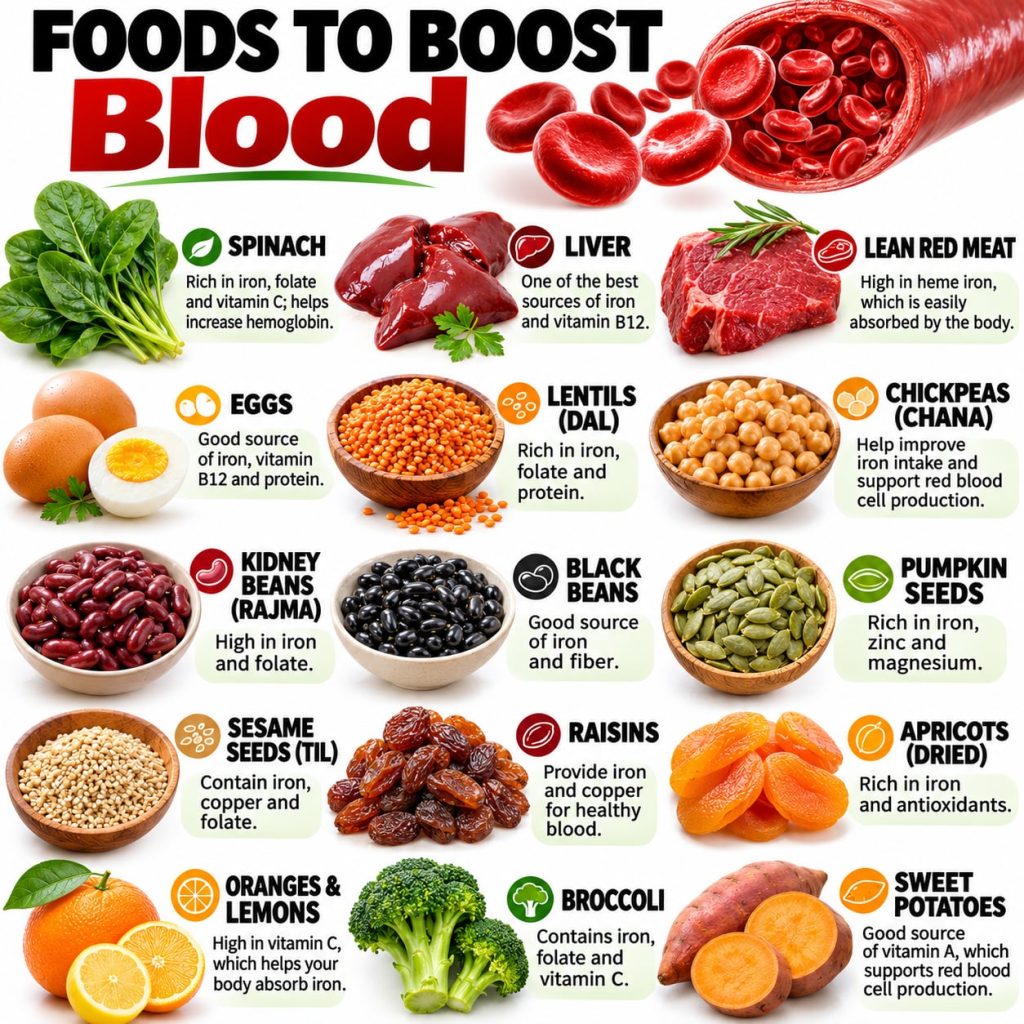 Nourish your body with these 15 powerful blood-boosting foods.
Understanding Key Nutrients for Healthy Blood
Before we explore the foods, it’s helpful to understand why certain nutrients are so important for your blood. Each plays a specific, indispensable role:
- Iron: Essential for producing hemoglobin, the protein in red blood cells that carries oxygen from your lungs to the rest of your body. Without enough iron, your body can’t make enough healthy red blood cells, leading to fatigue and weakness.
- Vitamin C: While not directly involved in blood production, Vitamin C is crucial because it significantly enhances the absorption of non-heme iron (iron from plant sources). It’s also an antioxidant, supporting overall cell health.
- Vitamin B12: Vital for the formation of red blood cells and DNA synthesis. A deficiency can lead to megaloblastic anemia, where red blood cells are abnormally large and unable to function properly.
- Folate (Vitamin B9): Works hand-in-hand with Vitamin B12 in red blood cell production and DNA synthesis. It’s especially important for rapid cell division, making it critical during periods of growth, like pregnancy.
The Best Foods to Boost Your Blood Health
Here are 15 foods you can add to your diet to support optimal blood health, each packed with essential nutrients.
1. Spinach
This leafy green powerhouse is rich in both iron and vitamin C. The vitamin C in spinach is key because it significantly enhances the absorption of its non-heme iron, making it an excellent choice for red blood cell formation.
2. Lentils
An incredible source of both iron and folate, lentils are a vegetarian-friendly staple that supports hemoglobin production and the healthy development of red blood cells. They’re also versatile in many dishes, from soups to salads.
3. Red Meat
Red meat, such as beef or lamb, is packed with heme iron, which is highly bioavailable (easily absorbed by the body), and vitamin B12. It’s essential for preventing iron deficiency anemia and supporting healthy nerve function.
4. Pumpkin Seeds
These crunchy seeds are a good source of iron, helping in oxygen transport throughout the body and contributing to your energy production. Sprinkle them on salads, yogurt, or enjoy them as a snack.
5. Beets
Vibrantly colored beets are high in folate and iron. They not only boost nitric oxide, supporting healthy blood flow, but also contribute to overall red blood cell health. Enjoy them roasted, boiled, or juiced.
6. Oranges
Loaded with vitamin C, oranges are crucial for enhancing iron absorption, especially from plant-based foods. They also play a significant role in immune function, keeping your body resilient.
7. Bell Peppers
Available in a rainbow of colors, bell peppers are an excellent source of vitamin C. This nutrient aids in collagen formation and, importantly, boosts iron uptake from other foods consumed with them.
8. Strawberries
These delicious berries are rich in vitamin C, which supports the integrity of red blood cells and acts as a powerful antioxidant, protecting cells from damage.
9. Kiwi
High in vitamin C, kiwi fruit boosts iron absorption and contributes to overall blood health. It’s a sweet and tangy addition to your diet that offers multiple benefits.
10. Fish (e.g., Salmon, Tuna)
Fatty fish like salmon and tuna are good sources of vitamin B12. This vitamin is vital for the maturation of red blood cells and plays a critical role in neurological health.
11. Eggs
Eggs contain vitamin B12, which supports DNA synthesis and the formation of healthy red blood cells. They are a convenient and complete protein source for any meal of the day.
12. Dairy (e.g., Milk, Yogurt)
Dairy products are rich in vitamin B12, which is important for energy metabolism and the robust production of blood cells. Choose fortified options for an extra boost.
13. Fortified Cereals
Many breakfast cereals are fortified with essential nutrients like vitamin B12 and iron. They offer a convenient and easy option for meeting your daily nutrient needs, especially for those with dietary restrictions.
14. Leafy Greens (e.g., Kale, Collard Greens)
Beyond spinach, other leafy greens like kale and collard greens are abundant in folate. This nutrient is essential for cell division and plays a crucial role in preventing megaloblastic anemia.
15. Broccoli
This versatile cruciferous vegetable contains both vitamin C and folate. Broccoli supports detoxification processes in the body and contributes to the overall health of your red blood cells.
Practical Tips for Incorporating Blood-Boosting Foods
- Combine for Synergy: Always try to pair iron-rich plant-based foods with a source of vitamin C. For example, have spinach salad with bell peppers, or lentils with a side of orange slices.
- Meal Prep for Success: Dedicate time to prepare meals and snacks that include these foods. Roast a batch of beets and broccoli for the week, or pre-portion pumpkin seeds for easy snacking.
- Vary Your Choices: Don’t stick to just one or two foods. Rotate through the list to ensure you’re getting a broad spectrum of nutrients for comprehensive blood health.
- Smoothie Boost: Blend spinach, kiwi, or strawberries into your morning smoothies for a quick and delicious nutrient hit.
- Healthy Snacks: Keep oranges, berries, or a handful of pumpkin seeds on hand for nutritious snacks throughout the day.
Frequently Asked Questions About Blood Health and Diet
Q: Can these foods help with anemia?
A: Many of the iron-rich foods listed, especially red meat and lentils, are beneficial for individuals with iron deficiency anemia. However, if you suspect you have anemia, it’s crucial to consult a healthcare professional for diagnosis and a personalized treatment plan, as severe cases may require supplements.
Q: How long does it take to see benefits from these foods?
A: While individual results vary, consistently incorporating these nutrient-dense foods into your diet over several weeks to months can contribute to improved blood markers and overall vitality. Blood cell production is a continuous process.
Q: Are there any foods I should avoid for blood health?
A: While the focus is on beneficial foods, excessive consumption of highly processed foods, sugary drinks, and unhealthy fats can negatively impact overall health, including blood health. Moderation is key.
Q: Can vegetarians and vegans get enough blood-boosting nutrients?
A: Absolutely! Lentils, spinach, pumpkin seeds, beets, leafy greens, broccoli, and fortified cereals are excellent plant-based sources of iron and folate. Vegans will need to pay particular attention to vitamin B12, which is primarily found in animal products, by consuming fortified foods or supplements.
Final Thoughts
Supporting your blood health is a fundamental aspect of holistic well-being. By prioritizing a diet rich in essential nutrients like iron, vitamin C, vitamin B12, and folate, you’re not just improving your blood; you’re investing in your energy, immunity, and overall vitality. Make these 15 essential foods a regular part of your meals, and you’ll be on your way to a stronger, healthier you. Remember, small dietary changes can lead to significant positive impacts on your health journey.