That ‘weed’ you’ve been tirelessly pulling from your garden? Most people toss it without a second thought, completely unaware they’re discarding a nutritional powerhouse and a culinary secret weapon. Purslane, often mistaken for a nuisance, is actually a vibrant, edible plant packed with surprising health advantages. It’s time to stop pulling and start picking!
This succulent green is more than just a garden intruder; it’s a versatile ingredient that can elevate your meals and boost your wellbeing. Forget expensive supplements – your backyard might be hiding a treasure trove of nutrients just waiting to be discovered.
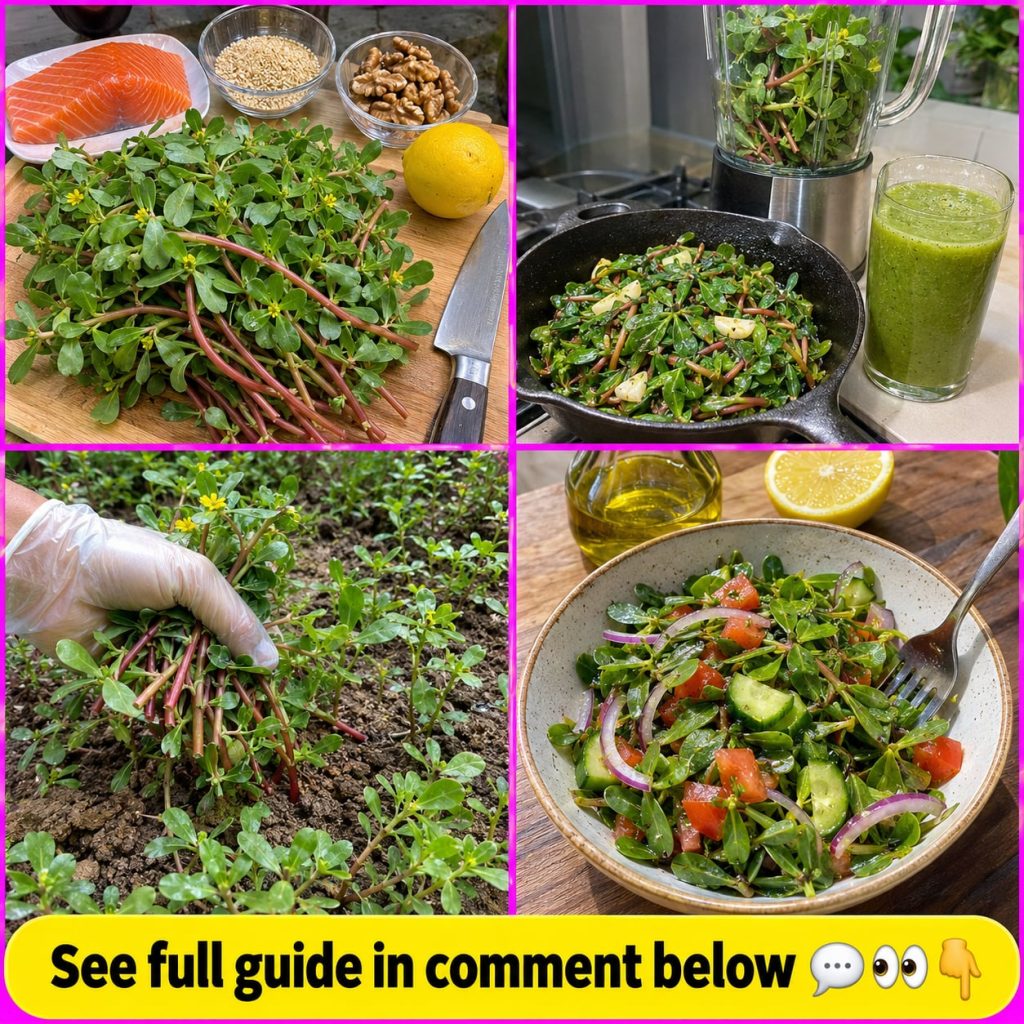
What It Is: The Powerhouse Purslane
Purslane (Portulaca oleracea) is an annual succulent herb characterized by its reddish stems and thick, paddle-shaped green leaves. It grows low to the ground, often spreading outwards like a mat. What makes this plant so special is its nutritional profile. It’s one of the richest plant sources of Omega-3 fatty acids, typically found in fish. Beyond that, purslane is loaded with antioxidants, vitamins (like A, C, and E), and essential minerals such as magnesium, calcium, potassium, and iron. Its slightly sour and peppery taste adds a unique crunch to salads, sandwiches, and various cooked dishes.
Ingredients for a Simple Purslane Salad
Embracing purslane in your kitchen is surprisingly simple. For a basic, refreshing salad, you’ll need just a few key components:
- 2 cups fresh purslane, thoroughly washed and tough stems removed
- 1/4 cup chopped red onion (or shallots)
- 1/2 cup chopped cucumber
- 1/4 cup cherry tomatoes, halved
- 2 tablespoons extra virgin olive oil
- 1 tablespoon fresh lemon juice or apple cider vinegar
- Salt and freshly ground black pepper to taste
- Optional: Feta cheese, olives, or bell peppers for added flavor
Approximate Measurements
The quantities above are designed for a single serving or as a small side dish for two. Feel free to scale up or down based on your needs. When harvesting purslane, aim for young, tender stems and leaves, as they will have the best flavor and texture. A good handful or two is usually enough for a personal portion.
Quick Tip: The younger the purslane, the more tender and less tart it will be. Look for plants with smaller leaves and thinner stems.
Formula / Recipe: Zesty Purslane & Cucumber Salad
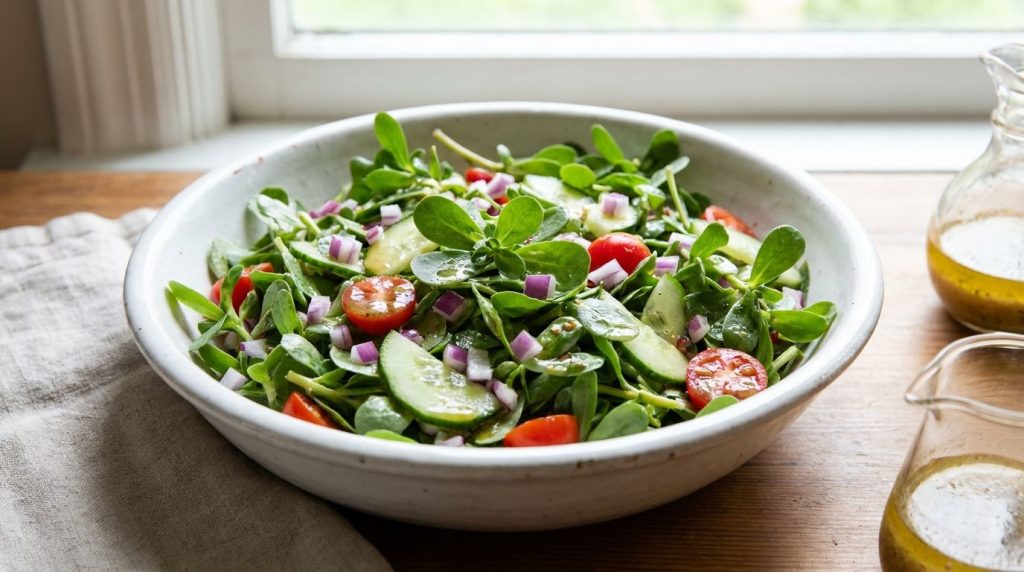
This quick and easy salad highlights purslane’s crisp texture and tangy flavor, making it perfect for a light lunch or a refreshing side.
Yields: 1-2 servings
Prep time: 10 minutes
Step-by-Step Method
- Prepare the Purslane: Gently wash the purslane under cool running water. Pat dry with a clean cloth or use a salad spinner. Trim off any tough, woody stems, leaving the tender leaves and thinner stems. Roughly chop if desired, or leave in larger pieces.
- Chop Vegetables: Dice the red onion and cucumber. Halve the cherry tomatoes.
- Combine: In a medium bowl, combine the prepared purslane, red onion, cucumber, and cherry tomatoes.
- Make the Dressing: In a small separate bowl, whisk together the extra virgin olive oil, lemon juice (or apple cider vinegar), salt, and black pepper until well combined.
- Dress and Serve: Pour the dressing over the purslane mixture. Toss gently to ensure all ingredients are evenly coated. Serve immediately.
How to Use Purslane
Beyond salads, purslane is incredibly versatile. You can add it to sandwiches, wraps, and tacos for a refreshing crunch. It can be lightly sautéed with garlic and olive oil as a side dish, similar to spinach, or incorporated into stir-fries. Many cultures use purslane in soups, stews, and even omelets. Its slightly mucilaginous texture also makes it a great thickener for certain dishes.
How Often to Use
There’s no strict rule on how often to consume purslane, but incorporating it into your diet a few times a week can provide a consistent boost of nutrients. Think of it as a leafy green to rotate with spinach, kale, or lettuce.
Did You Know? Purslane contains more Omega-3 fatty acids than any other leafy green vegetable!
How to Buy / How to Choose Ingredients
While you might be lucky enough to find purslane growing wild (and free!) in your garden, it can also be found at farmers’ markets and specialty grocery stores. When harvesting or buying, look for:
- Vibrant Color: Leaves should be a bright green, and stems can be reddish.
- Firm Texture: The leaves and stems should be firm and succulent, not limp or yellowing.
- No Blemishes: Avoid any plants with brown spots, holes, or signs of wilting.
- Organic Source: If foraging, ensure the area has not been treated with pesticides or herbicides. If buying, opt for organic if possible.
Storage
Proper storage is key to keeping your purslane fresh and crisp:
- Unwashed: Store unwashed purslane in a plastic bag in the refrigerator’s crisper drawer. It can last for 3-5 days.
- Washed and Dried: If you’ve already washed it, make sure it’s thoroughly dried. Wrap it in a paper towel, then place it in a plastic bag or airtight container. This can extend its freshness slightly.
Here’s the part most people skip: Never store purslane wet, as this will accelerate spoilage.
Practical Tips
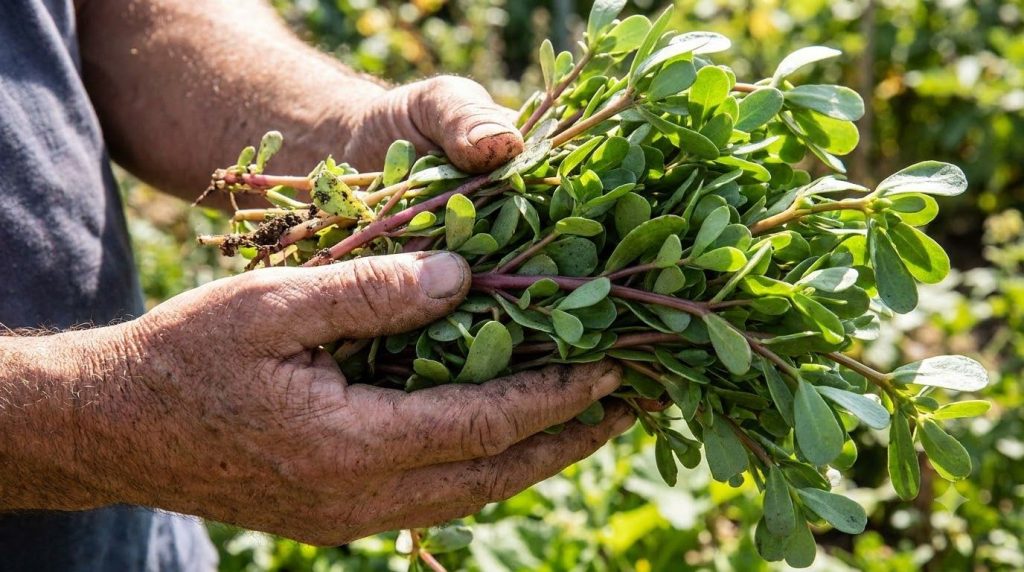
- Foraging Safely: Always be 100% sure of your identification before consuming any wild plant. Purslane has distinctive reddish stems and succulent leaves.
- Culinary Creativity: Experiment! Add it to scrambled eggs, blend it into smoothies, or stir it into yogurt dips.
- Pairing: Its tartness pairs well with creamy ingredients like feta cheese or avocado, and rich flavors like grilled meats.
Common Mistakes
- Misidentification: The most critical mistake is confusing purslane with other plants, some of which may not be edible or could even be toxic. Always confirm identification.
- Overcooking: Boiling or cooking purslane for too long can diminish its crisp texture and some heat-sensitive nutrients. It’s best eaten raw or lightly blanched/sautéed.
- Ignoring the Stem: While tougher stems should be removed, the younger, tender stems are perfectly edible and contain nutrients. Don’t be too aggressive in trimming!
- Not Washing Properly: Since purslane often grows close to the ground, it can accumulate dirt or tiny insects. A thorough wash is essential.
Cautions / Who Should Avoid It
While generally safe for consumption, there are a few considerations:
- Oxalates: Like spinach and kale, purslane contains oxalates. Individuals prone to kidney stones should consume oxalate-rich foods in moderation. Cooking can slightly reduce oxalate content.
- Pregnancy/Breastfeeding: As with many herbs, consult a healthcare professional before consuming large quantities if pregnant or breastfeeding.
- Medication Interactions: If you are on diuretics or blood thinners, discuss purslane consumption with your doctor due to its potassium and Omega-3 content.
Quick Summary: Your Purslane Cheat Sheet
- Best Preparation: Raw in salads, lightly sautéed, or added to smoothies.
- Best Use-Case: Boosting Omega-3s, vitamins, and minerals in your diet.
- Storage: Unwashed in the fridge for 3-5 days; keep dry.
- When to Use: Regularly, as a fresh, nutritious green alternative.
- What to Avoid: Misidentification, overcooking, consuming if allergic or with specific health conditions without consulting a doctor.
FAQ
Can I use fresh or dried purslane?
Purslane is almost exclusively used fresh. Drying significantly diminishes its succulent texture and much of its nutritional value, especially the Omega-3s.
How long does fresh purslane last?
When stored properly (unwashed, in a plastic bag in the fridge), fresh purslane typically lasts 3 to 5 days.
What does purslane taste like?
It has a slightly tart, lemony, and peppery flavor with a crisp, succulent texture.
Can I freeze purslane?
While technically possible, freezing raw purslane will alter its texture significantly, making it mushy when thawed. It’s best used fresh.
What part of the purslane plant is best to eat?
The leaves and tender stems are the most desirable parts for culinary use.
Is purslane safe for pets?
No, purslane is toxic to many animals, including dogs and cats, due to its high oxalate content. Keep it away from your pets.
Can purslane be grown indoors?
Yes, purslane can be grown indoors in a sunny spot, though it generally prefers outdoor conditions.
When is the best time to harvest purslane?
Young purslane, typically harvested in the morning, tends to be more tender and less tart.
Conclusion
Next time you spot purslane in your garden, don’t reach for the weed puller. Recognize it for what it truly is: a remarkable, nutrient-dense plant waiting to be enjoyed. From its Omega-3 richness to its versatility in the kitchen, purslane is a testament to the hidden benefits found in nature’s often-overlooked bounty. Embrace this edible ‘weed’ and add a powerful punch of nutrition to your plate.
You may also like: Read our full guide on safe foraging practices.
Related remedy: Discover more DIY herbal salad dressings.
