Natural Home Hacks: DIY Repellent for Uninvited Pests
Are you tired of sharing your home with uninvited guests like cockroaches, ants, or spiders? While commercial pest control solutions can be effective, they often come with harsh chemicals and hefty price tags. What if you could tackle common household pests using simple, readily available ingredients from your own pantry and laundry room? It’s time to embrace the power of natural solutions!
This article will guide you through creating a potent, natural pest repellent using a clever combination of everyday items. We’ll explore why each ingredient plays a crucial role and how to apply your homemade solution safely and effectively.
The Problem with Pests (and Harsh Chemicals)
Pests aren’t just an annoyance; they can pose health risks, damage property, and simply make your home feel less comfortable. However, many conventional pest control products contain strong insecticides that can be harmful to pets, children, and even adults if not used correctly. The good news is that many pests are highly sensitive to strong odors and specific natural compounds, making DIY remedies a viable and eco-friendlier alternative.
Your DIY Natural Pest Repellent Recipe
This powerful blend combines ingredients known for their repellent qualities. While effective, remember that natural remedies are best used as a preventative measure or for minor infestations, and always with caution.
Ingredients & Their Power
- Mothballs (Naphthalene or Paradichlorobenzene): The active compounds in mothballs create a strong, pungent odor that is highly irritating and repellent to many insects, including cockroaches, moths, and silverfish. Important Safety Note: Mothballs are toxic if ingested and their fumes can be harmful in poorly ventilated areas. Use them sparingly and keep them out of reach of children and pets.
- White Vinegar: A household staple, white vinegar is known for its cleaning, deodorizing, and mild insecticidal properties. Its acetic acid content can disrupt pests’ navigation and sensory systems, making areas treated with vinegar less appealing.
- Blue Fabric Softener: While primarily used for laundry, fabric softener contributes a strong, pleasant (to us) scent that can mask other smells and further deter pests. Some believe its chemical compounds can also act as a mild deterrent.
- Whole Cloves: Cloves contain eugenol, a natural aromatic compound that is a known repellent for many insects, including ants, flies, and mosquitoes. Their strong scent acts as a natural barrier.
Gather Your Supplies
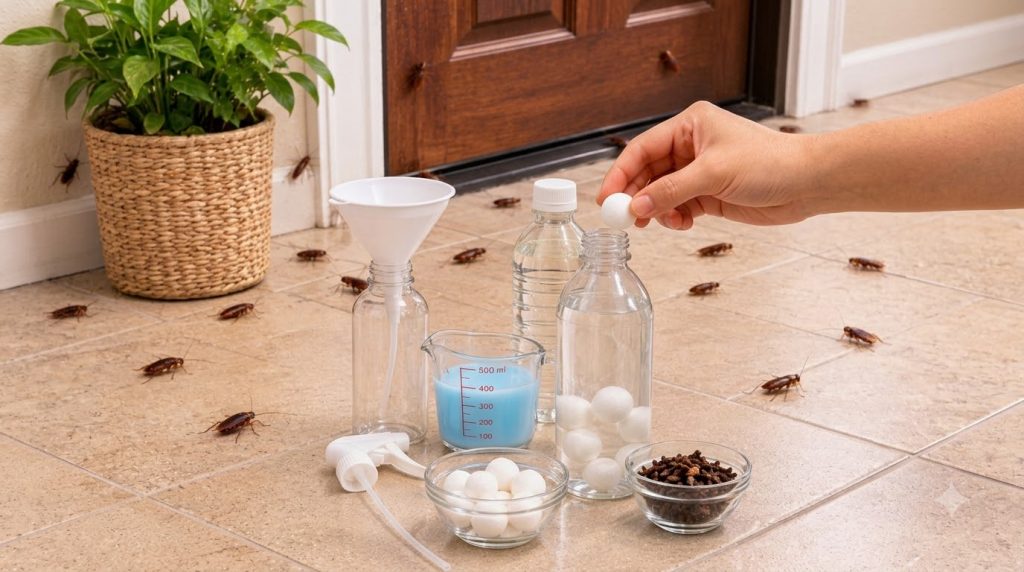
- Approximately 5-7 mothballs (naphthalene or paradichlorobenzene based)
- 1 cup white vinegar
- 1/2 cup blue liquid fabric softener
- 1/4 cup whole cloves
- A clean spray bottle
- A small bowl or jar for mixing
- A measuring cup
- Optional: Mortar and pestle or a sturdy bag and hammer (for crushing mothballs)
Step-by-Step Guide: Making Your Repellent
- Prepare the Mothballs: For better dispersal and stronger scent, it’s recommended to lightly crush the mothballs. Place them in a sturdy plastic bag and gently tap with a hammer, or use a mortar and pestle. Be careful not to inhale the dust.
- Combine Liquids: In your mixing bowl or jar, pour in the white vinegar and blue fabric softener. Stir gently to combine.
- Add Solids: Add the crushed mothballs and whole cloves to the liquid mixture.
- Transfer to Spray Bottle: Carefully pour the entire mixture into your clean spray bottle. If the whole cloves don’t fit through the nozzle, you can omit them from the spray mixture and instead place them directly in small sachets or bowls in problem areas.
- Shake Well: Before each use, shake the bottle thoroughly to ensure the ingredients are well mixed.
How It Works: The Science Behind the Scents
This repellent works on multiple fronts. The strong, distinct odor of the mothballs is extremely off-putting to pests, signaling danger. White vinegar’s acidity acts as a mild irritant and disrupts the pheromone trails many insects use to navigate. The fabric softener adds another layer of strong scent, further confusing and repelling pests, while the eugenol from the cloves adds another potent natural deterrent. Together, these ingredients create an environment that pests simply want to avoid.
Application Areas: Where to Use Your Repellent
This DIY repellent is ideal for:
- Cracks and Crevices: Spray along baseboards, window sills, door frames, and any small openings where pests might enter.
- Behind Appliances: Areas behind refrigerators, stoves, and washing machines are common hiding spots.
- Under Sinks: Dark, damp cabinet spaces under kitchen and bathroom sinks are often attractive to pests.
- Pantry Edges: Spray around the perimeter of pantry shelves (avoiding direct contact with food).
- Garbage Areas: Around garbage bins to deter scavenging insects.
- Outdoor Entry Points: Spray around foundations, vents, and any external entry points to deter pests from coming inside.
For whole cloves not included in the spray, place small bowls or sachets of them in undisturbed areas like behind furniture or in rarely opened cabinets.
Safety First: Important Precautions
- Ventilation: Always ensure good ventilation when using products containing mothballs. Open windows and doors.
- Keep Out of Reach: Store the repellent, ingredients, and any treated items containing mothballs far away from children and pets. Ingestion can be toxic.
- Test Surfaces: Before widespread application, test the spray on an inconspicuous area to ensure it doesn’t stain or damage surfaces, especially painted or delicate finishes.
- Not for Food Contact: Do not spray directly on food preparation surfaces or near food items.
- Wash Hands: Always wash your hands thoroughly after handling mothballs or the repellent mixture.
- Targeted Use: This is a repellent, not an exterminator. For severe infestations, professional pest control may be necessary.
Beyond the Spray: Holistic Pest Control Tips
For long-term pest prevention, consider these additional tips:
- Seal Entry Points: Caulk cracks, repair screens, and seal gaps around pipes.
- Eliminate Food Sources: Store food in airtight containers, clean up spills immediately, and don’t leave pet food out overnight.
- Reduce Moisture: Fix leaky pipes and ensure proper ventilation in damp areas like bathrooms and basements.
- Declutter: Remove clutter that can provide hiding spots for pests.
- Regular Cleaning: Vacuum and sweep regularly to remove crumbs and insect eggs.
Say Goodbye to Unwanted Guests
With this natural, homemade pest repellent, you have a powerful tool in your arsenal to keep your home pest-free without resorting to harsh chemicals. By understanding the ingredients and applying the solution strategically and safely, you can enjoy a cleaner, more comfortable living space. Give it a try and reclaim your home from those persistent pests!