Ever wonder how restaurants achieve that deep, mouth-watering flavor in their grilled chicken or tender steak? The secret often lies in a good marinade. This isn’t just about adding flavor; it’s about transforming your ingredients, making them more succulent and enjoyable. Our comprehensive Marinade Master Guide is here to demystify the art of marinating, helping you elevate everyday meals into culinary masterpieces with ease. Whether you’re a seasoned cook or just starting, understanding the components and techniques of a great marinade will revolutionize your kitchen.
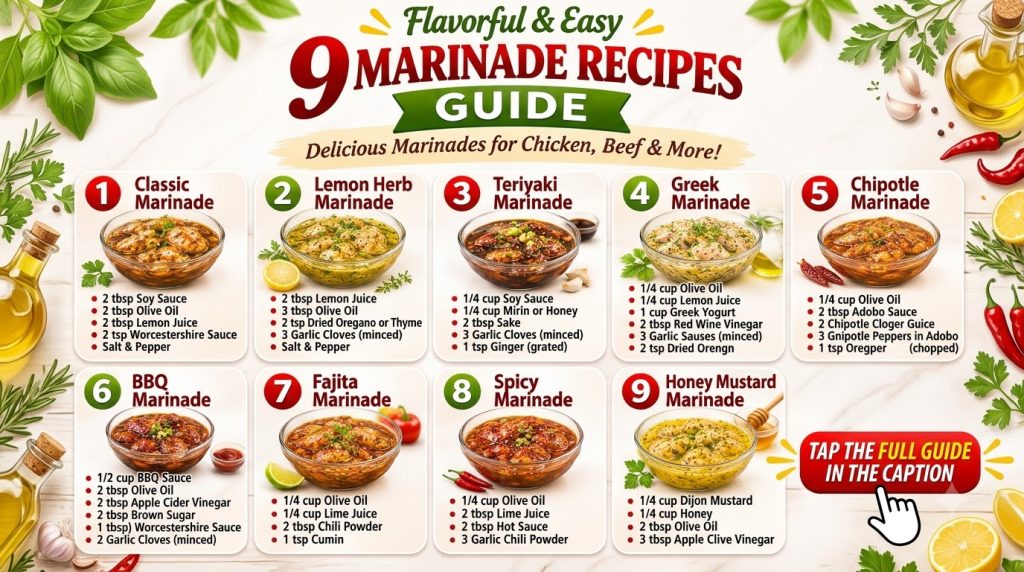 Discover the endless possibilities of flavor with our Marinade Master Guide.
Why You’ll Love This Marinade Master Guide
- Flavor Transformation: Learn how to infuse incredible taste into chicken, beef, pork, fish, or vegetables.
- Tenderizing Power: Understand how marinades help break down tough fibers, resulting in more tender protein.
- Simple Ingredients: Utilize common pantry staples to create a wide array of marinades.
- Customizable: Discover the basic formula and endless possibilities to create your own unique flavor combinations.
- Versatile: Apply these principles to any protein or vegetable for grilling, baking, or pan-frying.
- Budget-Friendly: Elevate less expensive cuts of meat into delicious, memorable meals.
Key Components of a Master Marinade
A successful marinade balances different elements to deliver flavor, tenderness, and moisture. Here are the essential categories of ingredients you’ll want to include:
- Acid: Helps tenderize by breaking down protein fibers and adds a tangy brightness.
- Oil: Carries fat-soluble flavors, helps to transfer heat evenly, and keeps food from sticking to the grill.
- Aromatics & Spices: Provide the primary flavor profile.
- Sweeteners (Optional): Balance acidity, aid in caramelization, and add a hint of richness.
- Umami/Savory Agents: Deepen the overall flavor profile.
- Salt: Essential for seasoning and helps draw flavor into the food.
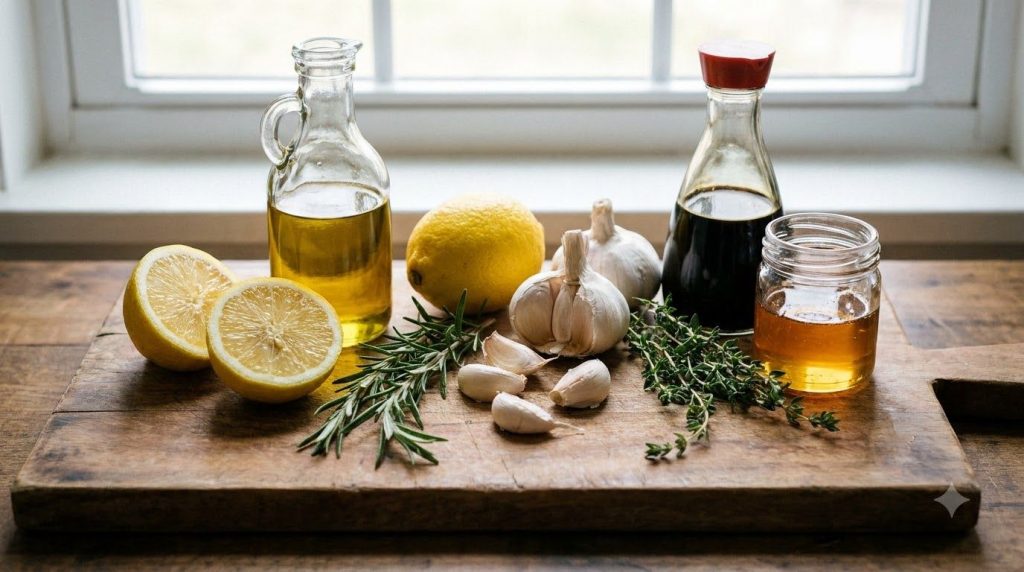 Gather your favorite ingredients to craft the perfect marinade.
Ingredient Notes for Your Master Marinade
- Acids: Lemon juice, lime juice, various vinegars (red wine, apple cider, balsamic), buttermilk, yogurt, or even certain fruits like pineapple (use sparingly, as enzymes can make meat mushy if marinated too long).
- Oils: Olive oil (extra virgin for flavor, regular for high heat), vegetable oil, canola oil, sesame oil (for Asian-inspired).
- Aromatics & Spices: Minced garlic, grated ginger, chopped onion or shallots, fresh herbs (rosemary, thyme, oregano, cilantro, parsley), dried herbs, black pepper, red pepper flakes, paprika, cumin, coriander.
- Sweeteners: Honey, maple syrup, brown sugar, granulated sugar, agave nectar. These can also help with browning.
- Umami/Savory: Soy sauce, Worcestershire sauce, Dijon mustard, fish sauce, miso paste, mushroom powder.
- Salt: Kosher salt or sea salt are preferred as they dissolve well and provide good seasoning.
Equipment You’ll Need
- Mixing bowls
- Whisk or fork
- Measuring cups and spoons
- Airtight container, large resealable plastic bag, or shallow dish
- Tongs (for handling meat)
How to Make a Master Marinade (The General Formula)
Creating a fantastic marinade is simpler than you think when you understand the basic formula. Remember, these are general guidelines for building flavor, not a single specific recipe.
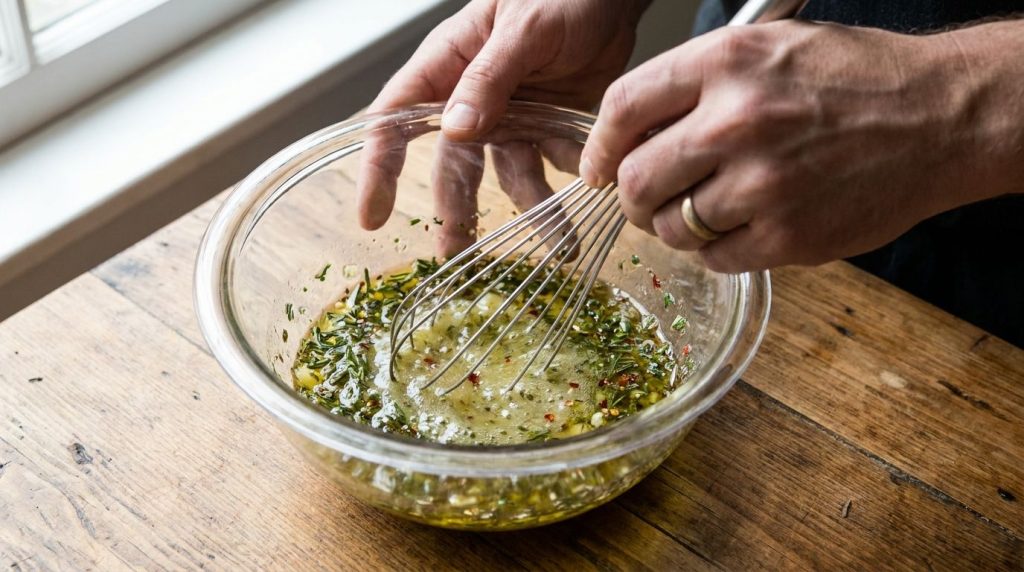 Whisk your chosen ingredients until well combined.
- Start with Your Base: In a non-reactive bowl (glass, ceramic, or plastic), combine your chosen acid and oil. A good general ratio is 1 part acid to 2-3 parts oil.
- Add Aromatics & Flavorings: Incorporate your minced garlic, grated ginger, chopped herbs, and any dried spices.
- Introduce Umami & Sweetness: Stir in soy sauce, Worcestershire, or mustard for depth, and a touch of honey or brown sugar if you want to balance the flavors and aid in caramelization.
- Season with Salt: Add salt to taste. Remember, the salt will penetrate the food and enhance all other flavors.
- Whisk Thoroughly: Mix all the ingredients well with a whisk or fork until combined. Taste and adjust seasonings as needed.
- Prepare Your Protein: Pat your chosen protein (chicken, beef, fish, etc.) dry with paper towels. This helps the marinade adhere better.
- Marinate: Place the protein in an airtight container or a large resealable plastic bag. Pour the marinade over the protein, ensuring it’s evenly coated.
- Refrigerate: Seal the container or bag and refrigerate for the recommended time (see Pro Tips below).
- Cook: Remove the protein from the marinade, discard any used marinade, and cook as desired.
Pro Tips for the Best Results
- Pat Dry Before Marinating: Excess moisture on the surface of your protein can dilute the marinade and prevent it from adhering properly.
- Don’t Over-Marinate: While acids tenderize, too much exposure can break down proteins excessively, leading to a mushy texture. Delicate fish or seafood needs only 15-30 minutes, chicken 30 minutes to 4 hours, and tougher cuts of beef 4-12 hours (or up to 24 hours for very tough cuts).
- Always Refrigerate: Marinating food at room temperature is a food safety risk. Always keep marinating food in the refrigerator.
- Discard Used Marinade: Never reuse marinade that has come into contact with raw meat, poultry, or fish. If you want to use some as a sauce, set a portion aside before adding the protein, or boil the used marinade vigorously for at least 5 minutes to kill bacteria.
- Use Non-Reactive Containers: Acids in marinades can react with metal containers, imparting a metallic taste to your food. Stick to glass, ceramic, or resealable plastic bags.
- Consider Surface Area: Cut larger pieces of meat into smaller, more uniform sizes or score them to increase the surface area for the marinade to penetrate.
- Balance Your Flavors: Taste your marinade before adding it to your protein. It should be intensely flavored, perhaps a little strong, as some flavor will be lost during cooking.

