Finding uninvited insect guests in your home can be an unwelcome surprise. Whether it’s a sudden appearance of small crawling insects on your floor or around your bed, dealing with pests quickly and effectively is key to maintaining a comfortable living space. While there are many commercial products available, a simple DIY solution can often tackle these common household invaders.
This straightforward homemade insect spray offers a practical, non-toxic alternative for managing pests on contact. It’s an easy-to-make solution that uses common household items, making it a convenient option when you need to address a pest problem immediately without harsh chemicals.
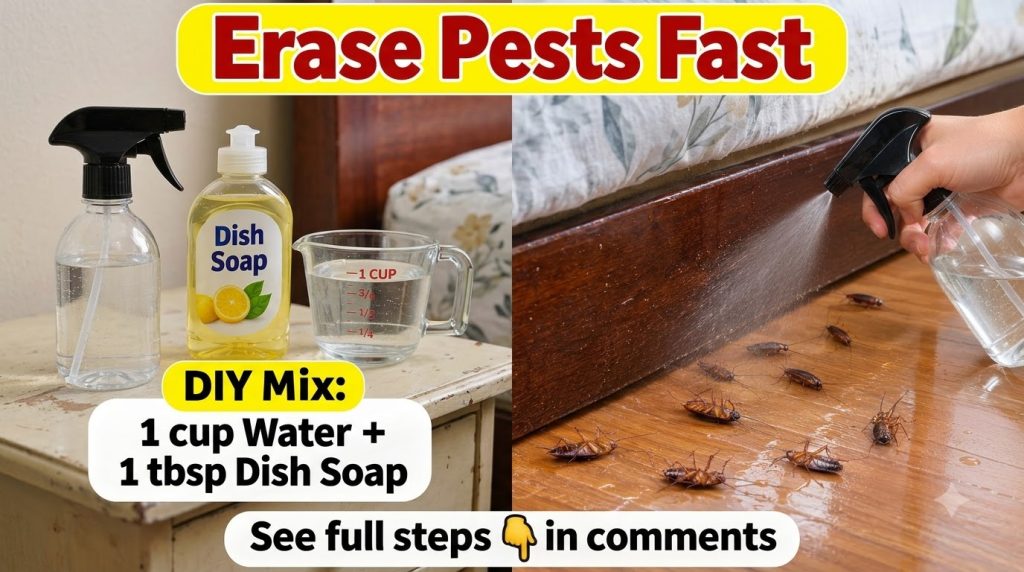
What You’ll Need
Ingredients
- 1/4 cup liquid dish soap (any brand)
- 2 cups water
Tools
- Clean, empty spray bottle (preferably a clear one to see the contents)
- Measuring cups
Why This DIY Can Be Useful
The secret weapon in this DIY spray is ordinary liquid dish soap. When diluted with water and sprayed directly onto insects, the soap creates a coating that blocks their pores, making it difficult or impossible for them to breathe. This method is particularly effective for soft-bodied insects like small roaches, ants, and aphids, leading to suffocation. It’s a physical rather than chemical action, meaning it doesn’t rely on harsh pesticides, making it a safer option for use in areas where pets and children might be present, provided it’s used correctly and wiped clean.
How to Make It
This solution comes together in just a minute:
- Measure out 1/4 cup of liquid dish soap.
- Pour the dish soap into your clean spray bottle.
- Add 2 cups of water to the spray bottle.
- Secure the spray bottle cap tightly.
- Gently shake the bottle to mix the soap and water thoroughly until combined. Avoid vigorous shaking that creates excessive foam.
How to Use It
Once your spray is ready, you can put it to use immediately:
- Identify the Target: Spray directly onto individual pests you see, or into small clusters of insects on surfaces like floors, baseboards, or window sills.
- Direct Application: Aim the spray nozzle directly at the insects and mist them thoroughly. Ensure they are well-coated with the solution.
- Wait and Observe: You should notice the insects reacting quickly. They may slow down, become disoriented, or stop moving.
- Clean Up: After a few minutes, once the pests are incapacitated, wipe up the area with a damp cloth or paper towel to remove the dead insects and any soap residue. This is crucial, especially on wooden surfaces, to prevent any potential damage from prolonged moisture or soap film.
- Repeat as Needed: If you see more pests, repeat the process.
What to Expect
This DIY insect spray is effective for a quick, on-contact kill of many small household pests. You can expect to see insects become immobilized and die shortly after being thoroughly sprayed. It acts as an immediate solution for visible pests rather than a long-term repellent or extermination method for severe infestations. For persistent or large-scale pest problems, professional pest control or more targeted solutions might be necessary.
Helpful Tips
- Regular Cleaning: Keep floors, counters, and food preparation areas clean to reduce attractants for pests.
- Seal Entry Points: Check for cracks and gaps around windows, doors, and foundations, and seal them to prevent insects from entering your home.
- Don’t Leave Food Out: Store food in airtight containers and clean up crumbs and spills immediately.
- Address Moisture: Fix any leaks or damp areas, as many pests are attracted to moisture.
Important Notes / Safety
- Patch Test: Before spraying on painted or delicate surfaces, always test a small, inconspicuous area first to ensure it doesn’t cause discoloration or damage.
- Avoid Electrical Components: Do not spray near electrical outlets, wires, or appliances.
- Ventilation: While non-toxic, it’s always good practice to ensure adequate ventilation when spraying any substance indoors.
- Not for Ingestion: Keep out of reach of children and pets when not in use. While it uses common dish soap, it is not meant for consumption.
- Rinse Thoroughly: Always wipe up any excess spray and dead insects promptly, especially on floors, to prevent slip hazards or residue buildup.