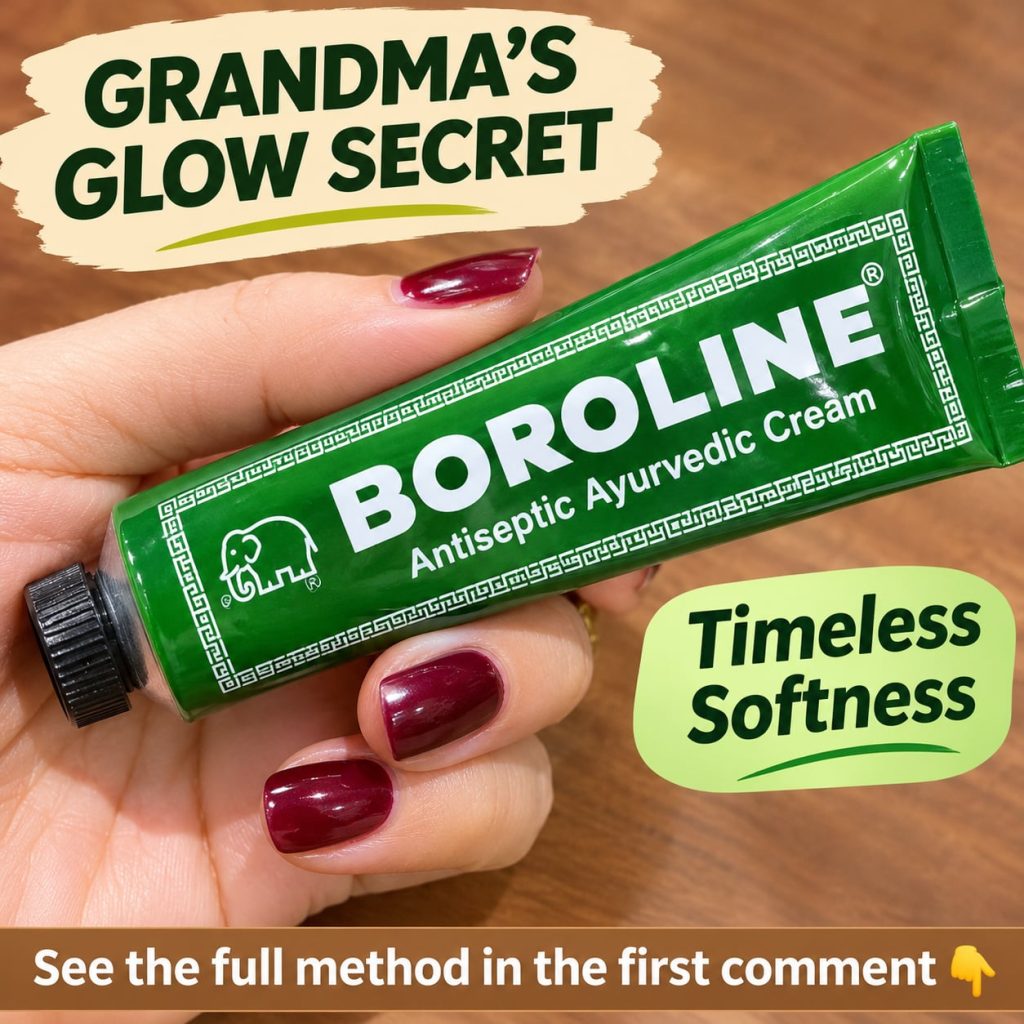
Boroline has been a familiar sight in many Indian households for generations. Often kept in the medicine cabinet or the family first-aid box, this traditional antiseptic cream is best known for helping with minor cuts, scrapes, and very dry patches of skin. Lately, people have been getting curious about whether it might have a place in a wider beauty routine too.
What Is Boroline?
Boroline is a traditional antiseptic cream that is widely sold in India and in some other markets. It is usually described as an Ayurvedic-style ointment, and its creamy texture makes it easy to spread over small areas of skin. Because it has been used for so long, many families think of it as a dependable all-purpose product rather than a trendy beauty item.
Before you buy or use any product, it is worth reading the label carefully. Ingredient lists can differ between regions and over time, so check what is currently printed on the packaging you have.
Why People Are Talking About It for Skin Care
Online beauty conversations have started to feature Boroline as a possible addition to a simple skincare routine. Many people are curious about it because of its rich, protective texture. Popular beauty routines often focus on keeping skin comfortable and hydrated, and a thick cream can play a supporting role in that goal.
It is important to be realistic, though. A cream can help skin feel softer and more comfortable, but it cannot erase wrinkles, reverse aging, or change your skin’s age. Any claims about dramatic results in a short time should be viewed with caution.
Common Uses People Explore
- Adding a thin layer to dry areas such as elbows, heels, or hands at night
- Using it as a protective barrier on small, minor skin irritations, as it has traditionally been used
- Layering it over a lightweight moisturizer for extra comfort in cold or windy weather
Before You Try This
- Do a patch test on a small area of skin, such as the inner forearm, and wait at least 24 hours before wider use.
- Stop using the product if you notice redness, itching, burning, or swelling.
- Avoid applying it to broken, deeply cut, or infected skin without advice from a healthcare professional.
- If you have a skin condition, are pregnant, or are caring for a child, speak with your doctor or dermatologist first.
- Keep it away from the eyes and mucous membranes.
A Balanced Way to Think About It
Boroline may be a useful, familiar product for many people, but it is not a miracle solution. The most reliable skincare results usually come from consistent habits: gentle cleansing, daily sun protection, adequate hydration, and a moisturizer that suits your skin type. If you enjoy exploring traditional remedies, treat Boroline as one option to learn about rather than a guaranteed fix.
The Bottom Line
Boroline has earned its place in many homes as a trusted traditional cream for minor skin needs. Its growing presence in beauty conversations is a good reminder to look at familiar products with fresh eyes, while keeping expectations grounded and safety first. Test carefully, read the label, and ask a professional when in doubt.