Looking for a practical gardening project that is kind to the planet and easy on your budget? Building your own planter from simple, natural materials is a rewarding way to grow healthy plants while reducing waste. In this guide, we explore how bamboo and cardboard can come together to create a sturdy, attractive container for growing tomatoes.
Why Choose Bamboo and Cardboard for Planters?
Bamboo is a fast-growing, renewable material that is strong enough to support garden structures. Cardboard, on the other hand, is a common household item that is usually headed for the recycling bin. Combining the two gives you a lightweight, low-cost planter that supports sustainable gardening habits.
- Uses recycled or renewable materials
- Requires minimal tools and inexpensive supplies
- Adds a natural, rustic look to patios, balconies, and garden beds
- Encourages a hands-on approach to eco-friendly living
Gathering Your Materials
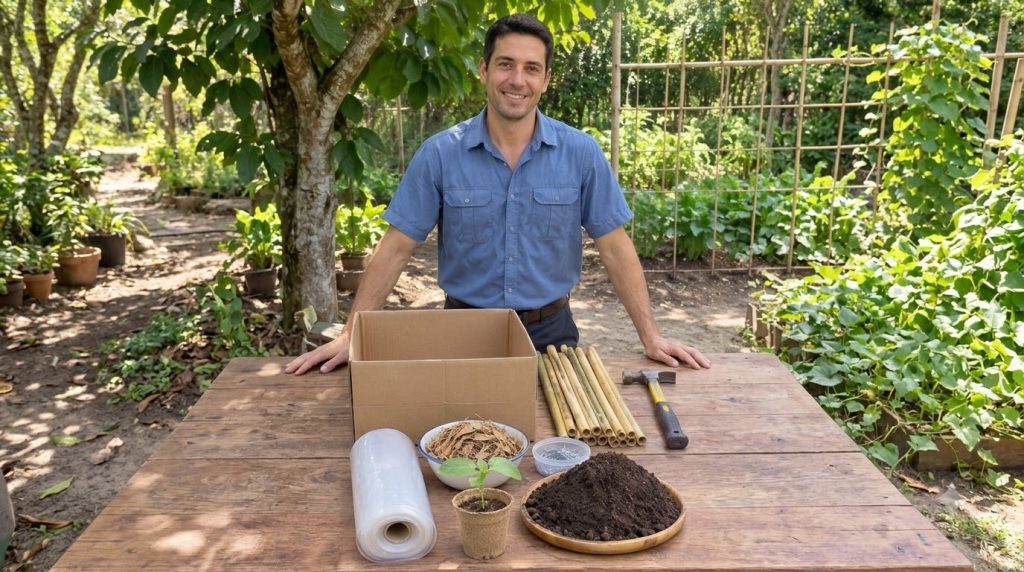
Before you begin, collect everything you need so the building process goes smoothly. Typical supplies include clean, dry cardboard, bamboo poles or strips, natural twine, a utility knife, and a waterproof liner such as a biodegradable or recycled plastic sheet. Choose materials that are free from heavy coatings or chemical treatments so your soil stays clean.
Step-by-Step: Building the Planter
Step 1: Shape the Cardboard Walls
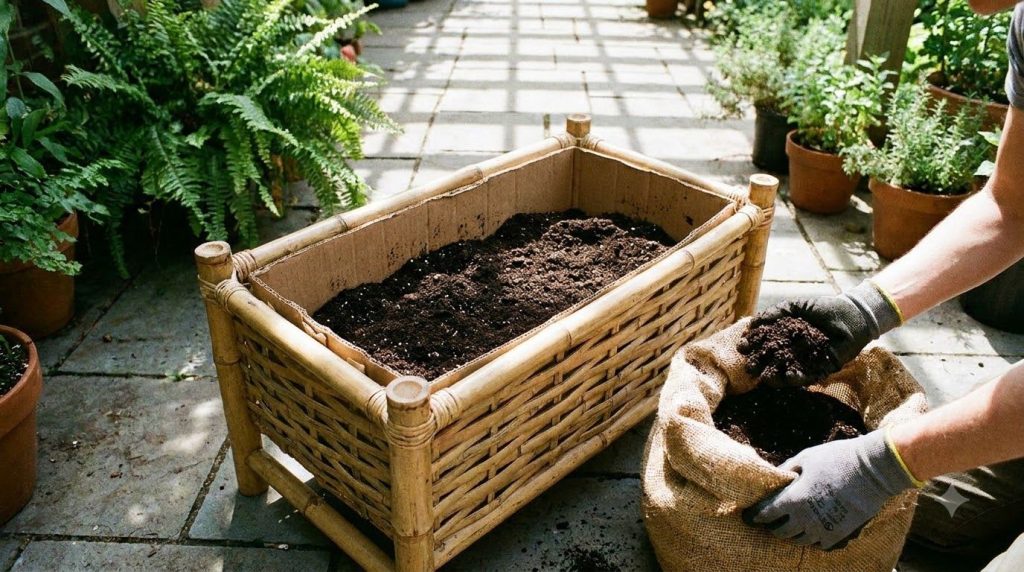
Cut the cardboard into panels sized to your planned container. Layer the panels to add thickness, then fold or roll them into a sturdy cylinder or box shape. Secure the edges firmly with twine so the structure holds its form when filled with soil.
Step 2: Add the Bamboo Frame
Bamboo poles provide structural support and a decorative finish. Position them around the outside of the cardboard walls and bind them in place. This frame helps the planter resist bending and gives it an attractive, handcrafted look.
Step 3: Line the Base
Place a liner at the bottom to protect the cardboard from moisture. Make small drainage holes so excess water can escape. Good drainage is essential for healthy roots.
Planting Your Tomato Seedling
Tomatoes thrive in deep, well-drained soil and plenty of sunlight. Plant your seedling at the same depth it was growing in its nursery pot, and water gently after planting. Place the planter in a location that receives at least six to eight hours of direct sun each day.
Caring for Your Tomato Plant
Consistent care is the key to a productive harvest. Keep these habits in mind as your plant grows:
- Water deeply and regularly, keeping the soil evenly moist but not soggy.
- Add a stake or small support as the plant gets taller.
- Check leaves regularly for pests and remove affected foliage early.
- Apply organic compost or a gentle organic fertilizer to support fruit development.
- Pinch off suckers to encourage stronger growth, if your variety benefits from it.
From Seedling to Harvest
With patience and steady care, your tomato plant will flower and set fruit over the coming weeks. Harvest tomatoes when they are fully colored and firm to the touch. Fresh homegrown tomatoes taste far better than store-bought fruit, and every harvest is a reminder of what you accomplished with simple materials.
Final Thoughts on Sustainable Gardening
Building a planter from bamboo and cardboard is an accessible project for beginners and experienced gardeners alike. It reduces waste, saves money, and brings fresh produce within reach. Start your project this season and enjoy the satisfaction of growing food in a container you built yourself.