If you have been searching for a gentle, budget-friendly way to add a little extra radiance to your routine, you are not alone. A popular DIY beauty routine that people are trying right now is the potato and yeast face mask. It is built on simple kitchen staples and is commonly used in homemade skincare as a way to create a fresh, smoother-looking complexion.
What Is a Potato and Yeast Face Mask?
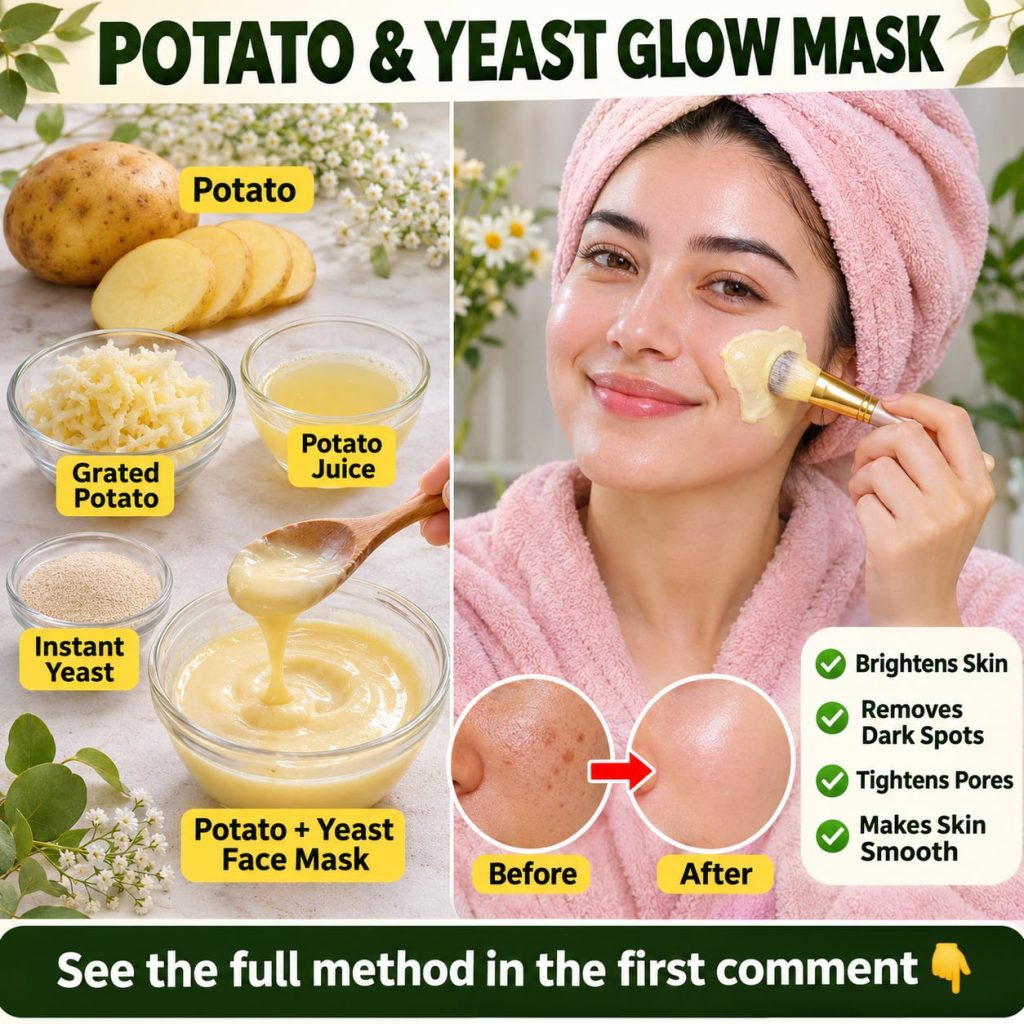
This homemade mask combines grated or mashed potato with a small amount of yeast, usually mixed with a little water or another mild liquid until it forms a spreadable paste. Potatoes contain starch and natural plant compounds, while yeast is often discussed in DIY beauty circles for its place in traditional home remedies. Together, they are popular with people who enjoy experimenting with natural ingredients.
Why People Are Talking About It
Much of the buzz comes from people looking for affordable beauty options that feel more natural. Many readers are drawn to the idea of using ingredients they already have at home. The mask is often described as helping skin look more even and radiant, although results vary from person to person and this should be treated as a simple, occasional treat rather than a guaranteed solution.
Ingredient Basics to Know
- Potato: Often used in homemade masks for its gentle, soothing texture and its use in traditional beauty routines.
- Yeast: Commonly included in DIY recipes for its place in natural skincare discussions.
- Water or a mild liquid: Helps create a smooth paste that is easy to spread.
A Simple Way to Try It
- Wash your face and pat it dry so the mask can sit evenly on the skin.
- Grate a small amount of fresh potato and mix it with a pinch of yeast and a few drops of water until you have a smooth paste.
- Apply a thin, even layer, avoiding the eye area and any broken or irritated skin.
- Leave it on for a short period, following the time suggested in your chosen recipe, then rinse with lukewarm water.
- Finish with your usual moisturizer to keep skin comfortable.
Before You Try This
Always do a patch test on a small area of skin, such as your inner arm or behind the ear, and wait at least 24 hours before using the mask on your face. Stop using it if you notice redness, itching, burning or swelling. If you have sensitive skin, a skin condition, or concerns about dark spots, speak with a qualified dermatologist before trying new home treatments. Homemade masks are not a replacement for professional care.
Setting Realistic Expectations
A potato and yeast face mask can be a pleasant addition to a relaxing self-care evening, but it is not a cure for skin concerns and it cannot permanently change your skin. For the best results, pair simple DIY habits with a consistent routine that includes sunscreen, hydration and gentle cleansing. Think of this mask as one small step toward a healthy-looking glow.
Would you like to explore more natural skincare ideas with us? Keep following along for practical, easy-to-follow beauty guides from the BEAUTY 2 team.