In our fast-paced lives, maintaining consistent energy levels is crucial for productivity, focus, and overall well-being. Often, when we think of energy, we might reach for quick fixes or skip carbohydrates altogether, mistakenly believing they’re all ‘bad.’ However, the truth is, not all carbs are created equal. The right kind of carbohydrates can be your secret weapon for sustained energy, improved mood, and better health.
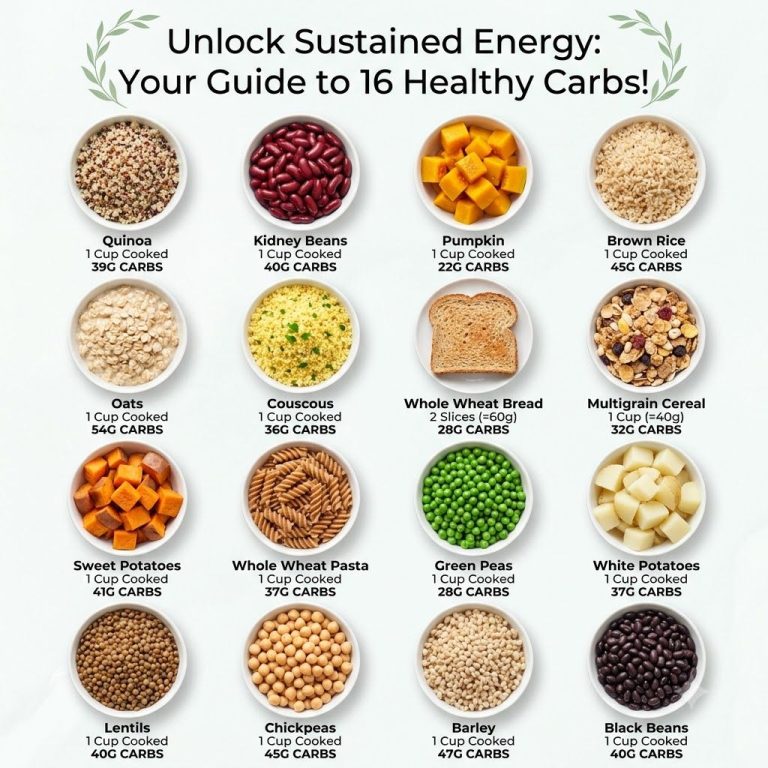
This comprehensive guide will unlock the power of 16 healthy carbohydrate options that not only fuel your body efficiently but also contribute significantly to your long-term health. Forget the energy slumps; it’s time to embrace wholesome carbs for a vibrant, energized life!
Understanding Healthy Carbohydrates: Fueling Your Body Right
Carbohydrates are one of the three macronutrients vital for our survival, serving as the body’s primary source of energy. When digested, carbs are broken down into glucose, which powers everything from your brain function to physical activity. But here’s the catch: the type of carbohydrate you choose makes all the difference.
Complex vs. Simple Carbs: The Energy Difference
- Simple Carbohydrates: Found in sugars, refined grains (like white bread), and many processed foods. They provide a quick burst of energy, but often lead to a rapid spike and subsequent crash in blood sugar levels, leaving you feeling tired and hungry sooner.
- Complex Carbohydrates: Found in whole grains, legumes, fruits, and vegetables. These carbs are rich in fiber and nutrients, taking longer for your body to digest. This slow digestion results in a gradual release of glucose into your bloodstream, providing sustained energy, promoting satiety, and supporting stable blood sugar levels.
Our focus today is on these nutrient-dense, fiber-rich complex carbohydrates that are truly beneficial for your sustained energy and overall well-being.
Your Guide to 16 Healthy Carbs for Sustained Energy
Let’s dive into the best healthy carb options to incorporate into your diet, offering a wealth of nutrients and long-lasting energy.
Whole Grains: The Foundation of Sustained Energy
Whole grains are powerhouses of fiber, B vitamins, and minerals, making them excellent choices for steady energy.
- Oats: A breakfast staple, whole rolled oats are packed with soluble fiber (beta-glucan), which slows digestion and helps stabilize blood sugar. Enjoy them as oatmeal, in smoothies, or baked goods.
- Quinoa: This ancient grain is a complete protein and an excellent source of complex carbs, fiber, and essential amino acids. It’s incredibly versatile for salads, sides, or as a rice substitute.
- Brown Rice: A healthier alternative to white rice, brown rice retains its bran and germ, offering more fiber, magnesium, and selenium. It’s perfect as a side dish or in stir-fries.
- Farro: An ancient wheat grain with a nutty flavor and chewy texture, farro is rich in fiber, protein, and iron. It’s great in soups, salads, and grain bowls.
- Buckwheat: Despite its name, buckwheat is not related to wheat and is naturally gluten-free. It’s a fantastic source of fiber, protein, and beneficial antioxidants. Use it to make ‘kasha’ or in pancakes.
- Barley: Often overlooked, barley is another fiber-rich whole grain that helps regulate blood sugar and cholesterol. It’s wonderful in stews, soups, or as a side dish.
- Whole Wheat Bread/Pasta: When choosing bread or pasta, opt for 100% whole wheat varieties to get the benefits of the entire grain, including more fiber and nutrients than their refined counterparts.
Legumes: Fiber and Protein Powerhouses
Legumes offer a fantastic combination of complex carbohydrates, plant-based protein, and fiber, making them incredibly satiating and energizing.
- Lentils, Black Beans, and Chickpeas: These versatile legumes are nutritional giants. They are rich in dietary fiber, protein, and various minerals like iron and folate. Incorporate them into soups, stews, salads, curries, or even homemade veggie burgers.
Starchy Vegetables: Nutrient-Dense Carbs
Don’t shy away from starchy vegetables! They offer vitamins, minerals, and complex carbohydrates in a natural, wholesome package.
- Sweet Potatoes: Bursting with vitamin A (beta-carotene), vitamin C, and fiber, sweet potatoes provide a steady release of energy and are incredibly versatile—baked, roasted, or mashed.
- Butternut Squash: Another vibrant orange vegetable, butternut squash is loaded with vitamins A and C, fiber, and complex carbs. Enjoy it roasted, in soups, or pureed.
- Corn: When eaten fresh off the cob or as whole kernels, corn provides fiber, B vitamins, and antioxidants. It’s a delightful addition to salads and salsas.
Fruits: Nature’s Sweet Energy Boosters
Fruits offer natural sugars along with fiber, vitamins, and antioxidants, ensuring a healthier energy boost than processed sweets.
- Berries (Blueberries, Raspberries, Strawberries): These small but mighty fruits are low in calories, high in fiber, and packed with antioxidants. The fiber helps slow the absorption of natural sugars, providing sustained energy.
- Apples: An apple a day truly can keep the doctor away, and provide sustained energy! Their high fiber content, particularly pectin, helps regulate blood sugar and promotes digestive health.
- Bananas: An excellent source of readily available carbohydrates, potassium, and vitamin B6, bananas are perfect for a quick, natural energy boost before or after a workout.
Non-Starchy Vegetables: Essential for Balance
While lower in carbs, these vegetables are crucial for overall health and complement your carb intake with vital nutrients.
- Broccoli: A cruciferous powerhouse, broccoli is rich in fiber, vitamin C, vitamin K, and various antioxidants. It supports energy metabolism and overall wellness.
- Spinach and Leafy Greens: While not traditionally high-carb, leafy greens like spinach, kale, and collard greens provide essential vitamins (A, C, K), minerals (iron, magnesium), and a touch of fiber that support energy production and overall vitality.
Practical Tips for Incorporating Healthy Carbs
- Prioritize Whole Grains: Swap white rice for brown rice or quinoa, and choose whole wheat bread/pasta over refined versions.
- Embrace Legumes: Add beans, lentils, or chickpeas to your salads, soups, and stews several times a week.
- Snack Smart with Fruits: Keep apples, bananas, or berries on hand for healthy, energizing snacks.
- Load Up on Veggies: Fill half your plate with non-starchy vegetables and include starchy ones like sweet potatoes regularly.
- Meal Prep: Cook a batch of quinoa or lentils at the beginning of the week to easily add to meals.
By making conscious choices to include these 16 healthy carbohydrate options in your diet, you’ll not only experience more sustained energy throughout your day but also reap the countless benefits of improved digestion, better nutrient intake, and enhanced overall well-being. Start your wellness journey today by making these simple, impactful dietary changes!