Most people already know they should eat better. The harder part is turning that intention into a routine that fits a busy day. The good news is that boosting your nutrient intake does not require a complicated meal plan or expensive ingredients. Small, consistent changes, repeated every day, tend to add up to the most meaningful results.
In this guide, we look at how simple daily servings of nourishing foods can help support your overall well-being, which everyday choices are easiest to start with, and how to check whether they are already part of your routine.
Why Daily Servings Matter More Than Perfect Meals
Nutrition works best as a pattern rather than a single event. A large salad once a week will not do as much as a few modest servings of nutrient-dense foods included every day. Daily servings make it easier to get a steady supply of vitamins, minerals, fiber, and healthy fats across the week.
Think of each serving as a building block. You do not need to overhaul your kitchen. You only need to make sure the foods you already enjoy are supported by a few additional ones that bring more nutritional value to the table.
Simple Ways to Add More Nutrients to Your Day
The easiest approach is to build your meals around foods that are naturally rich in nutrients. These are the everyday options that can slot into almost any routine:
- Vegetables: Add a handful of leafy greens or colorful vegetables to lunch, dinner, or a snack.
- Fruits: Keep fresh fruit visible on the counter so it is the first thing you reach for.
- Whole grains: Choose oats, brown rice, or whole-grain bread in place of refined versions when you can.
- Nuts and seeds: A small handful can add healthy fats, protein, and crunch to breakfast or a midday snack.
- Beans and legumes: Stir them into soups, salads, or bowls for an affordable source of fiber and plant protein.
You do not need to include every item on this list every day. Choosing two or three and rotating them over the week is often enough to create a balanced pattern.
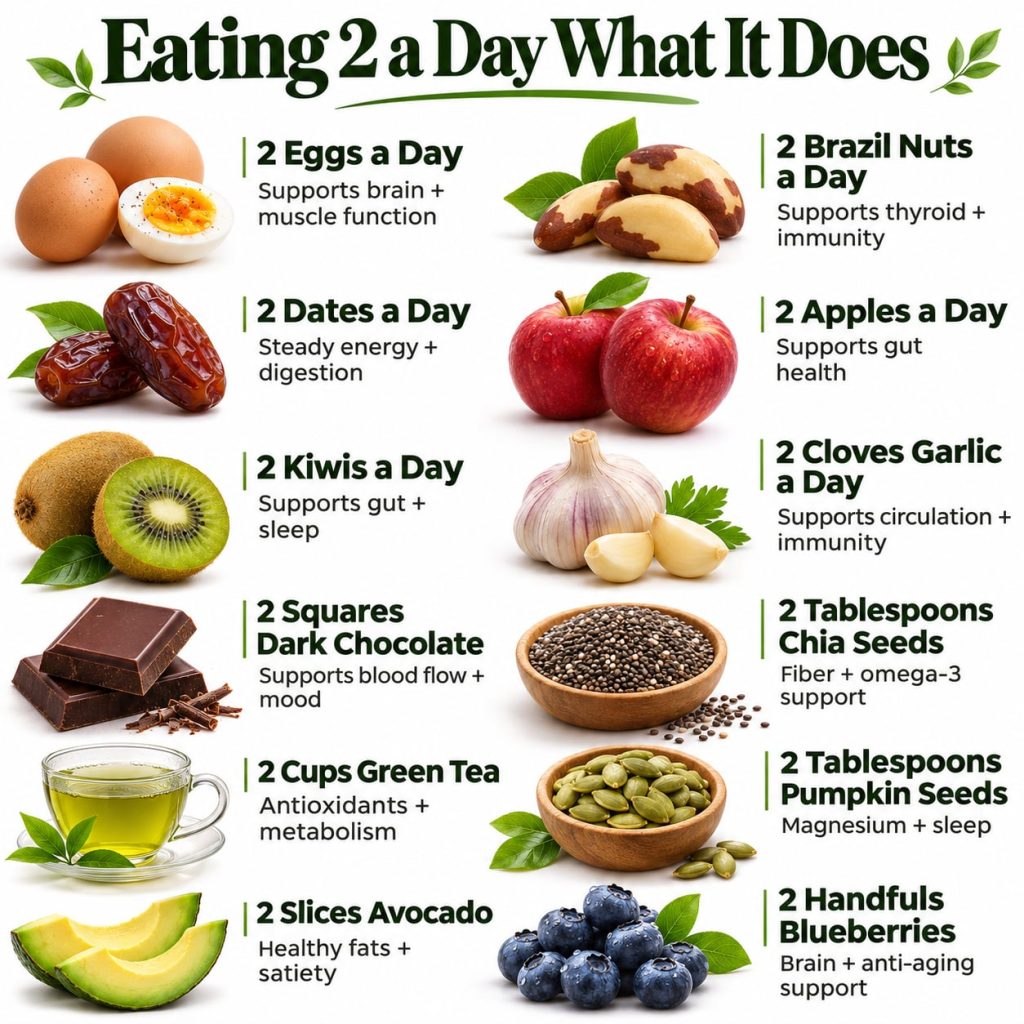
Which of These Foods Are Already in Your Routine?
Before adding anything new, take a quick inventory. This simple checklist can help you see where you already have a strong foundation and where there is room to grow:
- Do you eat at least one vegetable with lunch or dinner?
- Do you have a piece of fruit or a fruit-based snack most days?
- Are most of your grains whole grains rather than refined ones?
- Do you keep nuts or seeds on hand for quick snacks?
- Do you eat beans, lentils, or other legumes at least a few times a week?
If you answered no to several of these questions, that is useful information rather than a failure. Start with the one item that feels easiest to add, and build from there.
Easy Habits That Make Daily Servings Stick
- Prep fruit and vegetables in advance so they are ready to eat.
- Keep a small container of nuts or seeds in your bag or desk drawer.
- Add one extra vegetable to a meal you already cook.
- Choose whole-grain options when buying bread, pasta, or cereal.
- Track your progress for one week to spot easy wins.
Frequently Asked Questions
How many daily servings should I aim for?
General dietary guidance often encourages a variety of vegetables, fruits, whole grains, and protein sources every day. The exact amount depends on your age, sex, activity level, and health needs, so it is best to use general guidelines as a starting point.
Do I need to change everything at once?
No. Gradual changes are usually easier to maintain. Adding one serving at a time can make the transition feel manageable and enjoyable.
Final Thoughts
Boosting your health does not have to be complicated. Easy daily servings of nourishing foods, included consistently, can be a practical way to support your overall well-being. Start by checking which foods are already part of your routine, then add one simple improvement at a time.
Medical Disclaimer: This article is for general information only and is not a substitute for professional medical advice. If you have a medical condition, food allergy, or specific dietary needs, please consult a qualified healthcare professional before making changes to your diet.