Chia seeds have earned their place as a nutrition favorite, and for good reason. These tiny seeds pack fiber, plant-based omega-3 fats, protein, and minerals into a small, versatile package. But many people wonder whether the way they prepare chia seeds really matters. The short answer is yes. Soaking them in water or milk changes the texture, the flavor, and the nutrients you get in each serving, so choosing the right method can help you match your daily routine to your wellness goals.
Why Preparation Matters
Chia seeds are naturally dry and can absorb many times their weight in liquid. When you soak them, they form a gel-like coating around each seed. This gel makes them easier to digest for many people and gives puddings and drinks their signature thick texture. The liquid you choose becomes the base of your snack or breakfast, so it influences both how your body receives the nutrients and how satisfying the final dish feels.
Preparing Chia Seeds with Water
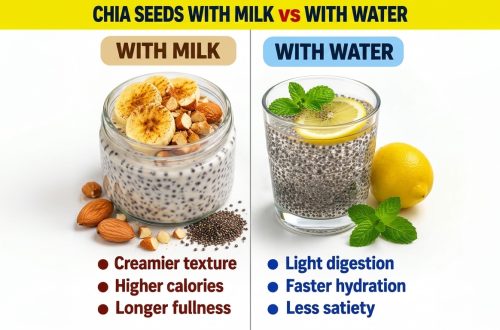
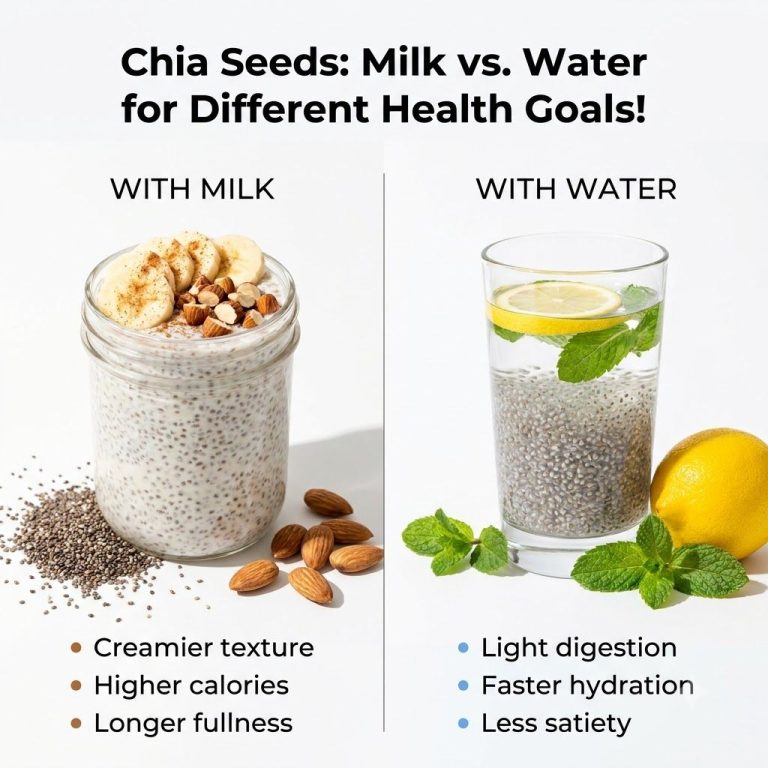
Water is the simplest and most neutral option. It adds no calories, no fat, and no extra flavor, which makes it a good choice for people who want the seeds to stay in the background of their meals.
- Light and hydrating: Water-based chia gel is easy to add to smoothies, yogurt, or oatmeal without changing their taste.
- Low calorie: If you are managing your energy intake, water keeps the dish lean while still delivering fiber.
- Digestive support: The soluble fiber in chia absorbs water and may help you feel fuller for longer, which can support healthy eating habits.
- Good for hydration routines: Chia water drinks are a refreshing way to add fluid and fiber throughout the day.
Preparing Chia Seeds with Milk
Milk brings extra nutrition and a creamy, dessert-like consistency. Depending on the type you choose, it can add protein, calcium, vitamin D, and other nutrients to your bowl.
- Protein boost: Dairy milk adds protein, which combines well with chia to create a more filling breakfast.
- Calcium and vitamins: Many milks are naturally rich in calcium, and fortified plant milks often provide added vitamins.
- Satisfying texture: Milk makes chia pudding thick and rich, which can help you enjoy a nutritious treat without relying on added sugar.
- Flavor versatility: Vanilla, cinnamon, cocoa, or fresh fruit blend easily into a milk-based base.
Choosing Based on Your Health Goals
The best method depends on what you want from your chia seeds. Consider these common goals:
- Daily fiber and gut health: Water-soaked chia is a light, effective way to add fiber to your routine.
- Sustained energy and fullness: Milk-based chia pudding with protein can keep you satisfied through a busy morning.
- Bone-supporting nutrients: Calcium-rich dairy or fortified plant milk makes the mixture more nutrient-dense.
- Low-calorie eating: Water is the leaner choice when you want to keep calories in check.
- Lactose sensitivity or dairy-free eating: Unsweetened fortified plant milks, such as soy or almond, can provide a creamy base that suits your needs.
Simple Tips for Making Chia Seeds Work for You
- Use about 2 tablespoons of chia seeds per cup of liquid for a thick pudding, and adjust to your preferred texture.
- Stir well during the first few minutes to prevent clumping, then refrigerate for at least 2 hours or overnight.
- Start with a smaller amount if your diet is currently low in fiber, and increase gradually while drinking enough fluids.
- Choose unsweetened milks and natural toppings like berries to keep added sugar low.
The Bottom Line
Neither water nor milk is better in every situation. Water offers a light, hydrating, low-calorie option, while milk adds protein, calcium, and a richer texture. Think about your goals, taste preferences, and dietary needs, and pick the method you will enjoy consistently. If you have a medical condition, take certain medications, or follow a special diet, speak with a healthcare professional before making big changes to your eating habits.
Which way do you prefer to enjoy your chia seeds? Share your favorite preparation in the comments below and tell us what wellness goal it supports for you.