Most people throw away the silky threads inside a corn husk without a second thought. Those fine strands, called corn silk, are what many home herbalists save, dry, and steep into a simple, mild preparation. Here is how to make it, use it, and store it properly.
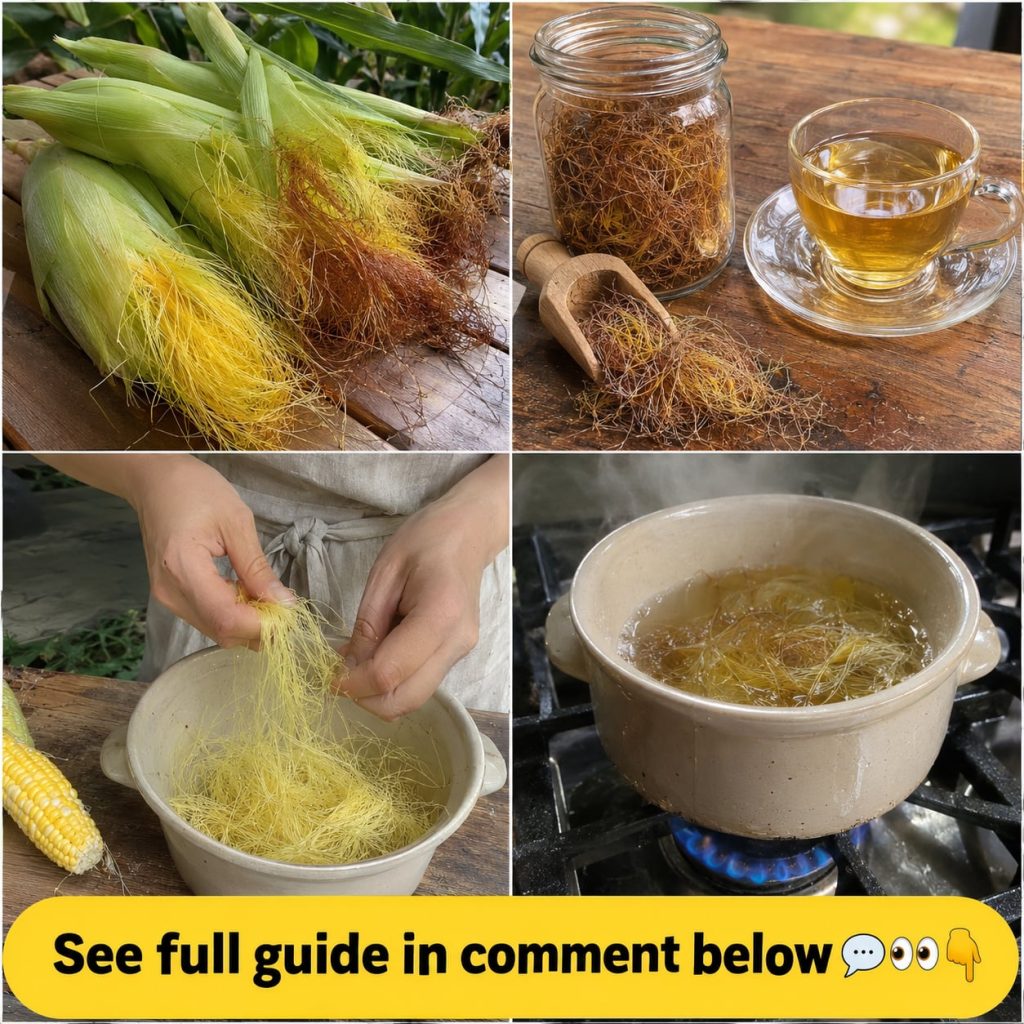
What Is Corn Silk?
Corn silk is the fine, hair-like stigma that grows from each kernel on the ear. When fresh, it is pale golden. Once dried, it turns light yellow to light brown. It is traditionally prepared as a gentle infusion and is also sold as a dried herb. For home use, most people focus on two simple formats: a mild tea and a light hair rinse.
Ingredients and Approximate Measurements
- 1 to 2 teaspoons dried corn silk (about 2 grams) for one cup of hot water
- 1 cup filtered water, just off the boil
- Optional flavor add-ins: a thin slice of lemon or a few fresh mint leaves
- For a hair rinse: 2 tablespoons dried corn silk and 2 cups of water
Formula and Step-by-Step Method
Use this basic tea formula for one serving:
- Bring filtered water to a boil, then let it sit for about 30 seconds.
- Place 1 to 2 teaspoons of dried corn silk in a cup or small teapot.
- Pour the hot water over the silk and cover the cup to keep the aroma in.
- Steep for 5 to 10 minutes. Stronger is not always better, so start light.
- Strain, add a lemon slice or mint if you like, and drink while warm.
For the hair rinse, steep 2 tablespoons of dried silk in 2 cups of warm water for about 15 minutes. Strain, let it cool to room temperature, and pour it over clean hair after shampooing.
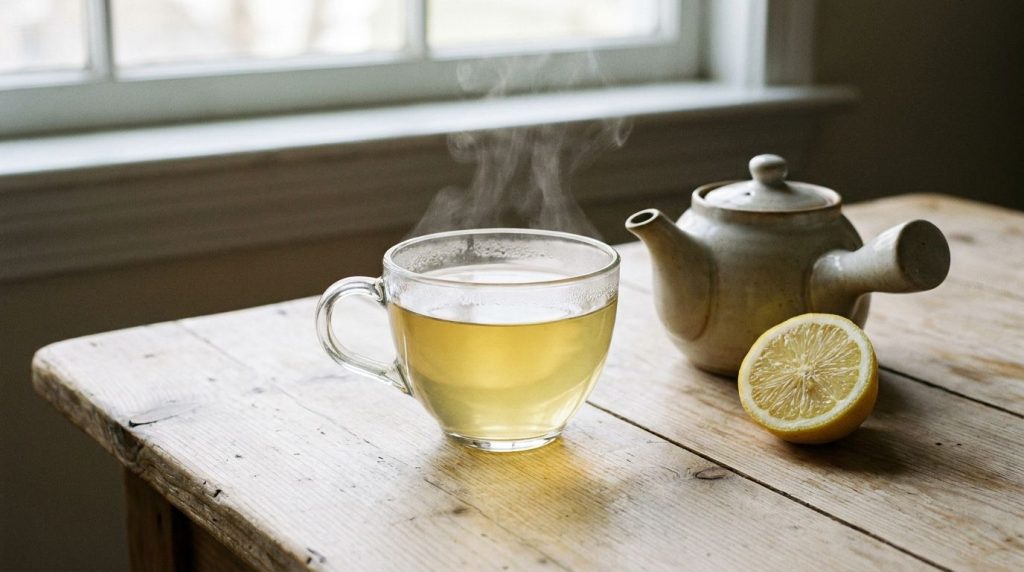
Quick Comparison: Tea vs Rinse
| Option | Best Use | Typical Amount | Steeping Time | Shelf Life |
|---|---|---|---|---|
| Hot tea | Daily warm drink | 1 to 2 tsp per cup | 5 to 10 minutes | Make fresh, refrigerate up to 24 hours |
| Hair rinse | After shampoo | 2 tbsp per 2 cups | About 15 minutes | Use within 2 days if refrigerated |
| Dried silk (stored) | Ingredient for either | Whole dried threads | Not applicable | Up to 6 to 12 months in a sealed jar |
Fresh vs Dried Corn Silk
Fresh silk works for a quick infusion if you have a homegrown harvest, but it spoils faster and is harder to measure. Dried silk is the practical choice for most people. Dry it thinly on a clean tray in a warm, shaded, well-ventilated spot for several days until it feels crisp and brittle. Avoid drying it in direct sun, which can fade it and reduce quality.
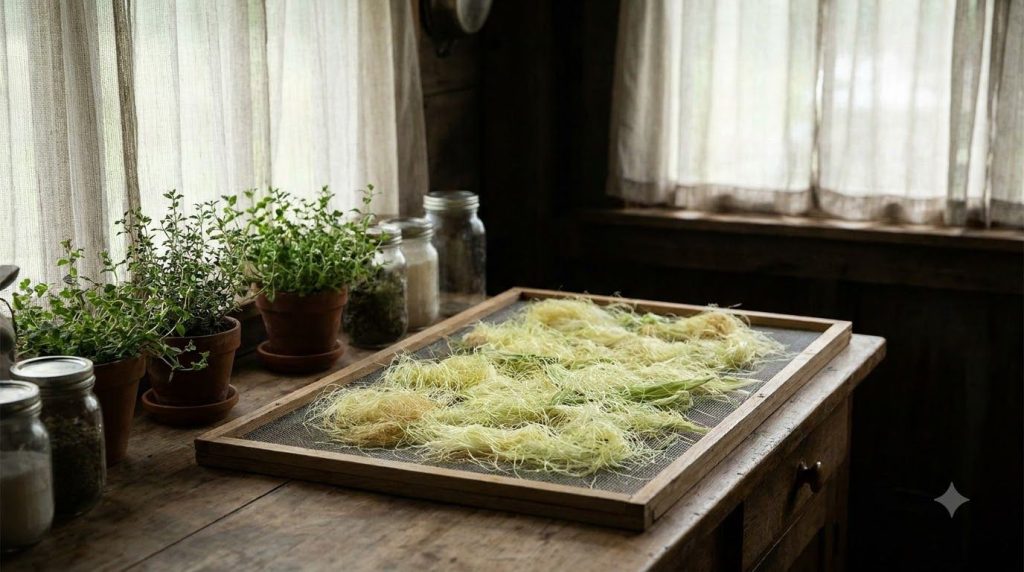
How to Use It and How Often
For tea, most people start with one cup a day and see how it sits with them. For the rinse, one to two uses a week after shampooing is a sensible routine. Keep expectations realistic: corn silk is a gentle, traditional preparation, not a fast fix. Give it several weeks of consistent use before deciding whether you like it.
How to Choose Good Corn Silk
Look for silk that is light golden to brown, dry, and free of mold or musty odor. Buy from sellers who clearly label the plant material and store it in sealed packaging. Avoid silk from corn that may have been treated with heavy sprays, and choose organic when you can.
Storage
Store dried corn silk in an airtight glass jar away from heat, light, and moisture. Label it with the date. Properly dried silk keeps for about 6 to 12 months. Brewed tea should be refrigerated and used within 24 hours. Rinse should be refrigerated and used within 2 days.
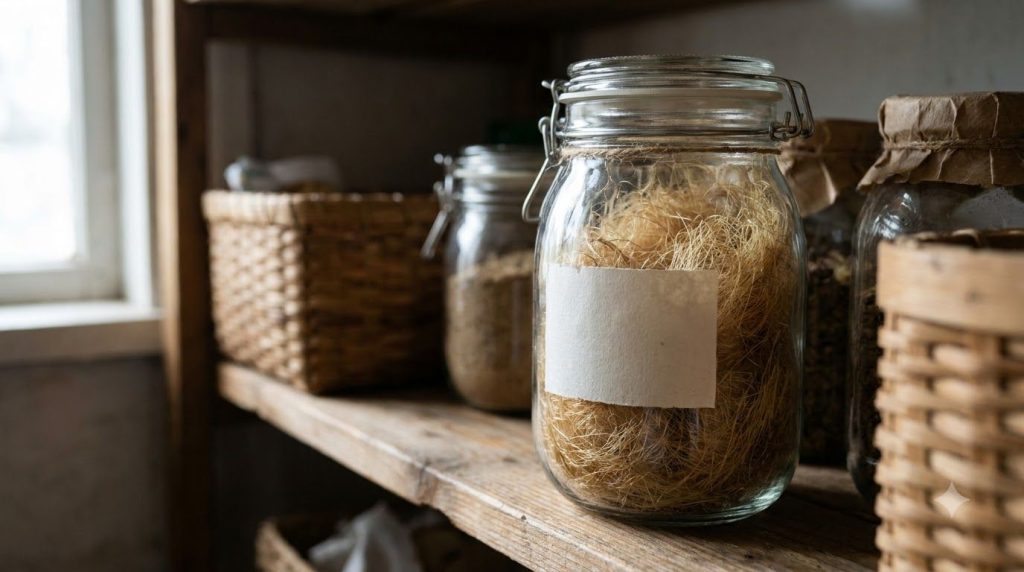
Practical Tips
Quick Tip: Cover your cup while steeping. This keeps the lighter aromatic notes from escaping.
Before You Brew: Rinse the dried silk quickly under cool water to remove dust, then pat it dry before steeping.
Did You Know? Corn silk can be steeped as a cold infusion overnight in the refrigerator, which gives a milder taste.
Common Mistakes
- Using damp or moldy silk, which can spoil the whole batch.
- Boiling the silk for a long time instead of steeping it gently.
- Storing finished tea or rinse at room temperature.
- Drying silk in direct sun, which reduces its quality.
- Using silk from sprayed or unknown sources.
- Drinking large amounts every day without checking how you feel.
Cautions and Who Should Avoid It
Corn silk is generally used in small amounts as a traditional preparation, but it is not right for everyone. Speak with a qualified healthcare professional before use if you are pregnant or breastfeeding, have kidney or heart conditions, take diuretics or other prescription medication, or have a known allergy to corn or pollen. Stop use and seek medical advice if you notice unusual symptoms.
Quick Summary
- Best preparation: Dried silk, steeped as a mild tea or used as a light hair rinse.
- Best use case: Gentle daily warm drink or a post-shampoo rinse.
- Storage: Dry jar for dried silk, refrigerator for finished preparations.
- When to use: Consistently over several weeks, starting with small amounts.
- What to avoid: Damp silk, sprayed sources, long boiling, and room-temperature storage.
Frequently Asked Questions
Can I use fresh corn silk instead of dried?
Yes, fresh silk works for a quick infusion, but it spoils faster. Dried silk is easier to measure and store.
How long does homemade corn silk tea last?
Refrigerate it and use within 24 hours. Make smaller batches if you want it fresh.
Can I freeze corn silk tea?
Freezing is possible, but flavor and aroma fade. Freezing dried silk is not needed when a sealed jar works well.
How often should I drink it?
Start with one cup a day and observe how you feel before increasing.
Can I reuse the silk?
A second, lighter steep is possible, but the flavor will be weaker. Most people use fresh silk for each batch.
Which part of the corn is best?
The silk threads themselves are used. The husk and kernels are used for different purposes, not for this preparation.
When should I avoid corn silk?
Avoid it during pregnancy or breastfeeding unless a healthcare professional approves, and check with a doctor if you take medication.
Conclusion
Corn silk is a simple, traditional preparation that is easy to make at home. Start with dried silk, follow the tea or rinse method, store it properly, and keep your expectations realistic. Once you have the basics, you can compare how each version fits your routine.
You may also like: Read more about drying and storing homegrown herbs in our full guide.
Continue with: See the full guide to making simple herbal infusions at home.
Related remedy: Learn how to make it with other gentle DIY hair rinses.