Blueberry oat bagels are a simple homemade breakfast option with a lightly sweet flavor, a tender chewy crumb, and bursts of juicy blueberries. They work well for a quick breakfast or an afternoon snack, and the ingredient list is short enough to make on a weekday.
Why You’ll Love This Recipe
- Short ingredient list: Oats, yogurt, blueberries, and a leavener cover the basics.
- Quick to mix: The dough comes together in one bowl without any kneading.
- Naturally fruity: Blueberries add flavor and color without a lot of added sugar.
- Flexible for breakfast or snacks: Enjoy them warm or at room temperature.
Blueberry Oat Bagels Ingredients
The source recipe did not include exact measurements, so the amounts below are practical estimates. Adjust them slightly based on how thick your yogurt is and how juicy your blueberries are.
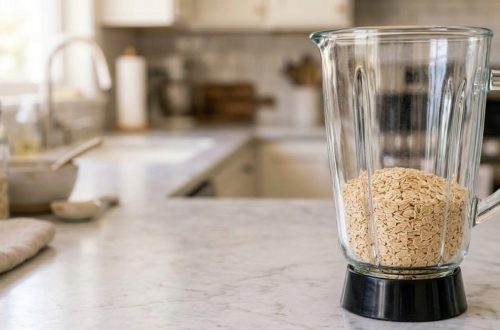
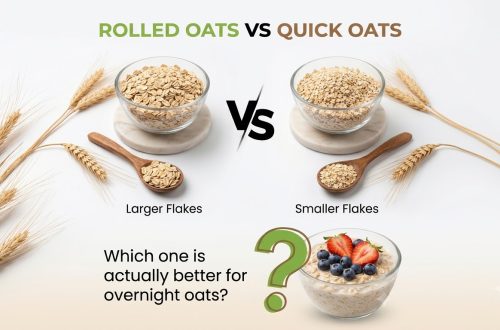
- 1 1/2 cups (140 g) rolled oats, blended into a fine flour
- 1 cup (240 g) plain Greek yogurt
- 1 cup (150 g) fresh or frozen blueberries
- 2 teaspoons (8 g) baking powder
- 1/4 teaspoon (1.5 g) fine salt
- 1 tablespoon (20 g) honey or maple syrup, optional
Ingredient Notes
Blending rolled oats creates a flour that gives the bagels a soft, hearty texture. Greek yogurt provides structure and moisture, so the dough holds its shape. Frozen blueberries work well too, but toss them in a spoonful of the oat flour first to keep them from sinking.
How to Make Blueberry Oat Bagels
- Preheat your oven to about 350°F (175°C). Line a baking sheet with parchment paper.
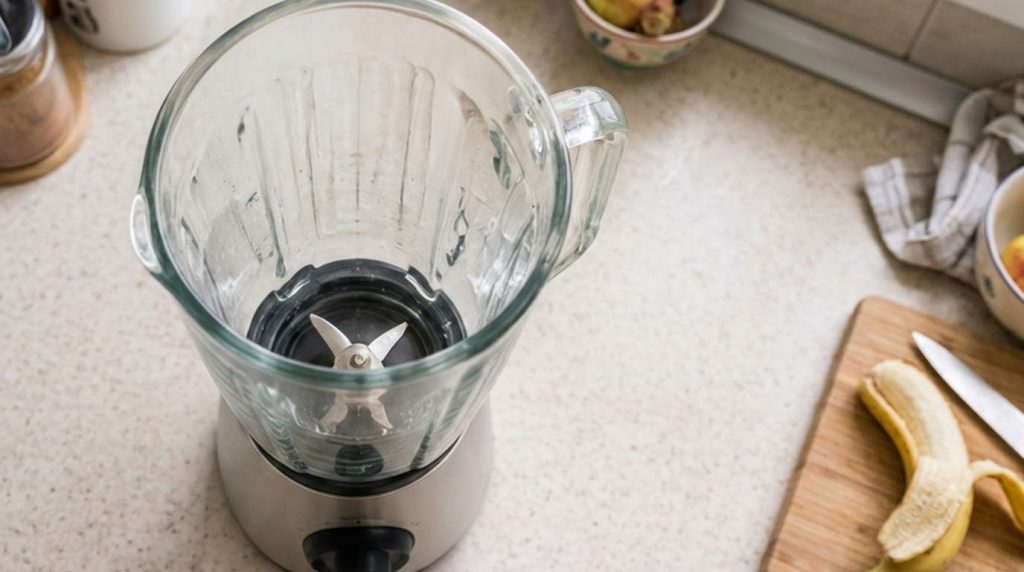
- Blend the rolled oats in a blender or food processor until they form a fine flour, about 30 to 60 seconds.
- In a medium bowl, whisk together the oat flour, baking powder, and salt.
- Add the yogurt and honey, if using. Stir until a thick, sticky dough forms. It should hold together without being runny.
- Gently fold in the blueberries. Use a light hand so the berries stay mostly whole.
- Divide the dough into 6 equal portions. Roll each into a rope about 8 inches long, then join the ends to form a ring. Pinch the seam firmly.
- Place the bagels on the prepared sheet and bake for about 15 to 20 minutes, or until the tops are golden and the bagels feel firm when pressed. This timing is an estimate and may vary by oven.
- Let the bagels cool on the pan for 5 minutes, then move them to a rack.
Pro Tips for the Best Results
- Use thick Greek yogurt rather than a thin variety so the dough keeps its shape.
- Pat frozen blueberries dry before adding them to avoid a wet, streaky dough.
- Wet your hands lightly when shaping the rings to reduce sticking.
- Check for doneness with a toothpick in the thickest part of a bagel, which should come out mostly clean.
Common Mistakes to Avoid
The most common issue is a dough that is too sticky to shape. If this happens, add oat flour one tablespoon at a time. Another mistake is overmixing after adding the blueberries, which can crush the fruit and turn the dough purple. Finally, pulling the bagels too early can leave the centers gummy, so check that they feel firm before removing them.
Variations and Substitutions
- Cinnamon version: Add 1/2 teaspoon ground cinnamon to the dry ingredients.
- Lemon version: Stir in the zest of half a lemon for a brighter flavor.
- Dairy-free option: Use a thick plant-based yogurt, though the texture may be slightly softer.
Serving Suggestions
Slice the bagels in half and toast them lightly. Spread them with cream cheese, nut butter, or plain yogurt. They also pair nicely with a glass of milk or a cup of coffee.
Storage and Reheating
Store cooled bagels in an airtight container at room temperature for up to 2 days, or refrigerate them for a few more days. For longer storage, freeze them in a sealed bag. To reheat, warm them in a toaster or a 300°F (150°C) oven until heated through.
Frequently Asked Questions
Can I use dry oats instead of blending them?
Rolled oats need to be blended into flour for this recipe. Whole oats will not bind the dough properly.
Can I make these ahead of time?
Yes. You can bake them a day ahead and store them in an airtight container until you are ready to serve.
Why did my bagels turn out dense?
Dense bagels usually mean the dough had too little leavening or was overmixed. Check that your baking powder is fresh and that you stirred just until combined.
Have you tried a favorite bagel topping on these yet? Tell us in the comments what you like to add!