Most people squeeze a lemon, toss the peel, and never think twice. Here is the part most people skip: the yellow zest holds much of the fruit’s fragrant citrus oil, and a few simple steps can turn that scrap into dried peel for tea, a citrus vinegar for cleaning, and fresh zest for everyday cooking.
What Lemon Peel Is and Why Keep It
Lemon peel is the colored outer layer of the fruit, known as the zest. It contains aromatic oils and plant compounds that give lemons their sharp scent. The white pith underneath is bitter, so trim it away as much as possible. Think of lemon peel as a practical kitchen ingredient with several everyday uses, not as a substitute for medical care.
Ingredients and Approximate Measurements
- 2 to 3 organic lemons, peel only (about 1 cup of loose peel)
- 1 cup filtered water for lemon peel tea
- 1 teaspoon dried peel per cup of water
- 2 cups white vinegar or apple cider vinegar for citrus infusion
- 1 clean glass jar with a tight lid, about 1 quart
- 1 teaspoon honey (optional)
Formula: Three Simple Preparations
Use this quick-reference table to choose the right version for your needs.
| Preparation | Best Use | Storage Time | Where to Keep It |
|---|---|---|---|
| Fresh zest | Cooking, baking, dressings | 3 to 4 days refrigerated, or up to 3 months frozen | Sealed bag or container |
| Dried peel | Tea and seasoning | Up to 6 months | Airtight glass jar, away from light |
| Citrus vinegar infusion | Diluted surface cleaning | Up to 6 months once strained | Labeled bottle in a cool, dark cabinet |
Step-by-Step: Drying Lemon Peel
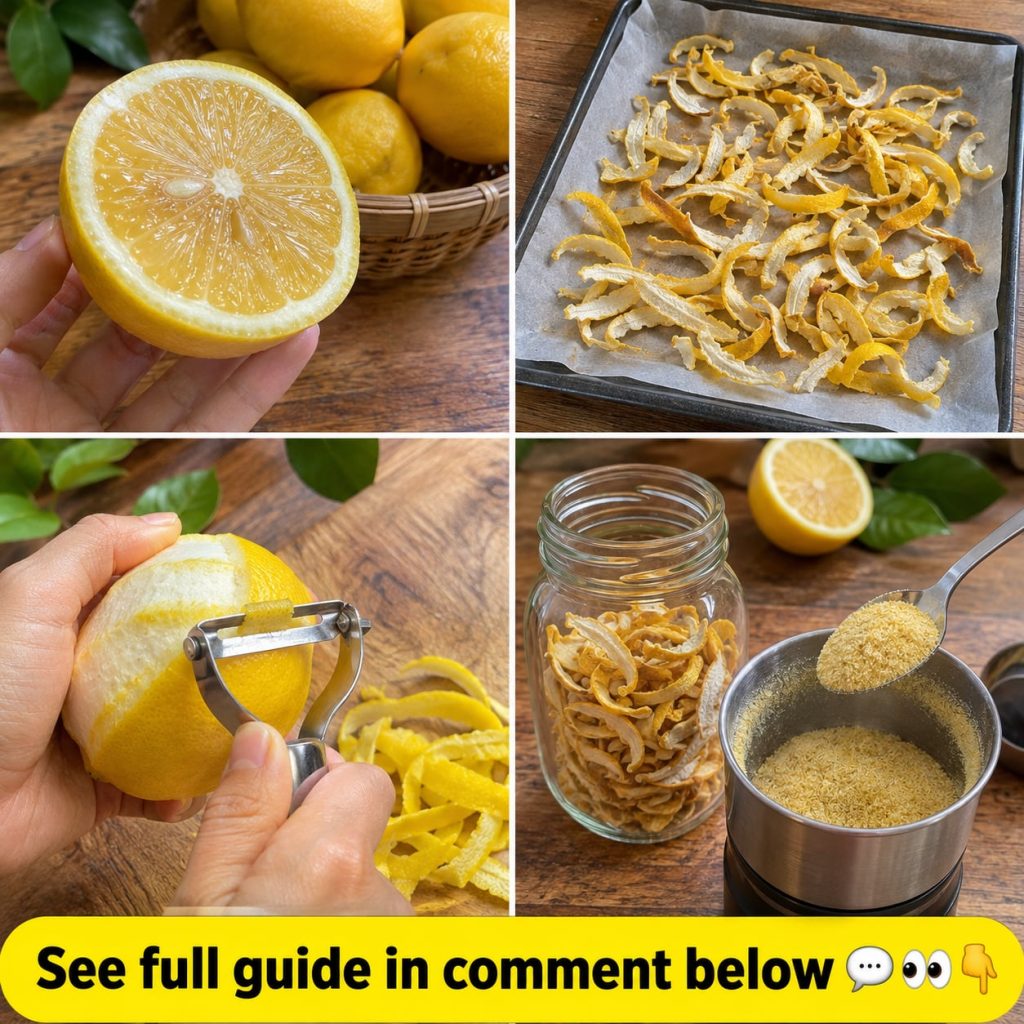
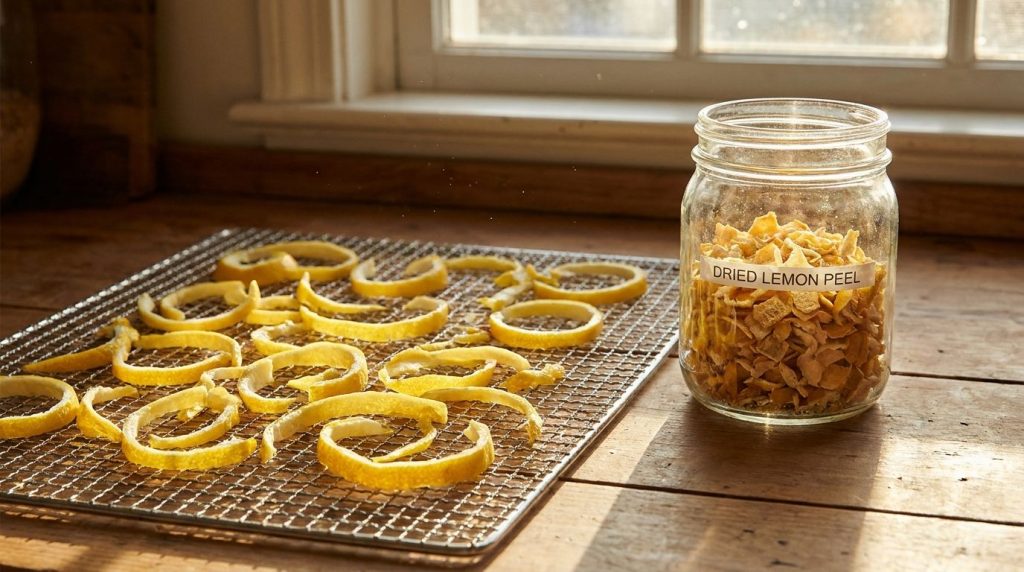
Scrub the lemons under warm water to remove surface residue. Use a vegetable peeler to remove strips of yellow peel, then scrape off any white pith. Spread the strips on a rack in a single layer. Air-dry at room temperature for 3 to 5 days, or use a dehydrator at about 125°F for 4 to 6 hours. The peel is ready when it feels brittle and snaps cleanly.
Step-by-Step: Lemon Peel Tea
Bring water to a near boil, then let it cool for about 30 seconds. Pour it over 1 teaspoon of dried peel and steep for 5 to 7 minutes. Strain and add honey if you like. Boiling the peel for a long time can make the taste harsh and bitter, so keep the water hot rather than rolling.
Step-by-Step: Citrus Vinegar Infusion
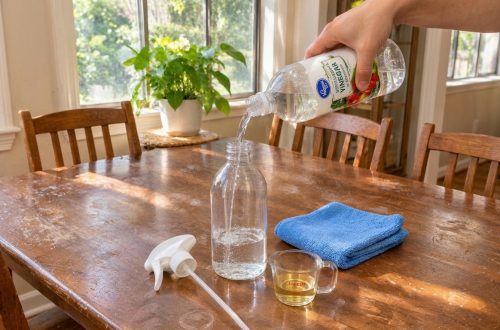
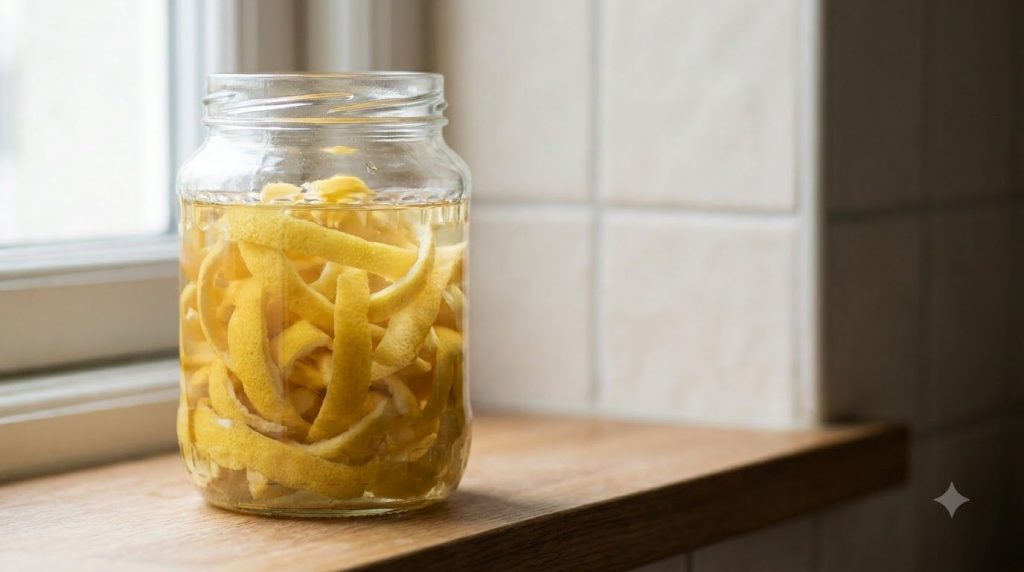
Pack clean peel strips loosely into the jar, then cover them completely with vinegar. Seal the jar and keep it in a cool, dark cabinet for about 2 weeks. Shake it gently every few days. Strain out the peel and transfer the liquid to a labeled bottle.
How Often to Use Each Version
Keep use simple and moderate. Lemon peel tea is best enjoyed one cup a day for a few days a week rather than in large amounts every day. Use fresh zest whenever a recipe calls for it. Use the diluted vinegar only when you need it for cleaning.
How to Buy and Choose Lemons
Choose firm lemons with bright, glossy skin and no soft spots. Organic lemons are the best choice for peel use because conventional fruit may carry surface residues or wax. If you cannot find organic fruit, wash the lemons thoroughly and scrub them before peeling.
Practical Tips
Zest before you juice, since the peel is much easier to grate when the fruit is whole and firm. Freeze extra zest in small portions for quick use in soups, teas, and baking. Label every jar with the date so you know when to replace it.
Common Mistakes
- Using waxed or sprayed lemons without washing them first
- Leaving white pith on the peel, which adds a bitter taste
- Boiling the peel for tea, which makes it harsh
- Storing dried peel or infusion in a damp jar, which encourages mold
- Skipping the drying step and storing damp peel
- Using vinegar cleaners on natural stone or marble, which can etch the surface
Cautions and Who Should Avoid It
Citrus peel oils can irritate sensitive skin and may increase sun sensitivity in some people. Avoid applying peel-infused products to skin before sun exposure, and always patch-test first. Do not use lemon peel if you have a citrus allergy. Pregnant or breastfeeding people, and anyone taking regular medication, should check with a healthcare professional before drinking peel tea. Never drink undiluted vinegar.
Quick Summary
- Best preparation: dried peel for tea, fresh zest for cooking
- Best use case: flavor in drinks, meals, and simple home cleaning
- Storage: fresh peel in the fridge or freezer, dried peel in an airtight jar, infusion in a labeled bottle
- When to use: as needed in recipes, one cup of tea a day at most
- What to avoid: white pith, boiling tea, damp storage, and undiluted vinegar
Frequently Asked Questions
Can I use fresh or dried lemon peel?
Both work. Fresh zest is best for cooking because it has a brighter aroma. Dried peel is better for tea and keeps much longer.
How long does dried lemon peel last?
When stored in an airtight glass jar away from light and moisture, dried peel can last up to 6 months.
Can I refrigerate lemon peel?
Yes. Store fresh zest in a sealed container in the refrigerator for 3 to 4 days.
Can I freeze lemon peel?
Yes. Freeze zest in small portions for up to 3 months, then add it straight to recipes.
What part of the lemon is best for peel use?
The thin yellow outer layer is best. Avoid the white pith underneath.
Can I reuse lemon peels?
Used peel that has already been steeped in tea has lost much of its flavor. It is best to use fresh or newly dried peel for each batch.
When should I avoid lemon peel?
Avoid it if you have a citrus allergy, sensitive skin, or a medical condition that needs personal advice. Check with a healthcare professional if you are pregnant or taking medication.
Read more: How to Make Homemade Citrus Cleaning Sprays
You may also like: Simple Homemade Herbal Tea Blends for Everyday Use
Continue with: Easy Kitchen Ways to Reduce Food Waste
Final Thoughts
Lemon peel is easy to save and useful in many small ways. Start with one simple preparation, such as dried peel tea or zest for your next recipe, and build from there. Keeping the peel is a practical habit that adds flavor and reduces waste.