Chia seeds are one of the most popular superfoods on the market today, prized for their fiber, omega-3 fatty acids, plant protein, and minerals like calcium and magnesium. Yet many people add them to their breakfast or smoothies and wonder why they don’t notice much difference. The good news is that the problem is often not the seed itself but how it is prepared. A few small adjustments can help you get more from every spoonful.
Why Preparation Matters for Chia Seeds
Chia seeds have a tough outer coat. When they are soaked in liquid, they form a gel around themselves, which slows digestion and helps you feel fuller for longer. This gel also makes the seeds easier to digest and helps your body access their nutrients. When seeds are eaten dry or poorly prepared, they may pass through the digestive tract with fewer benefits, and some people experience bloating or discomfort.
Common Chia Seed Prep Mistakes
-
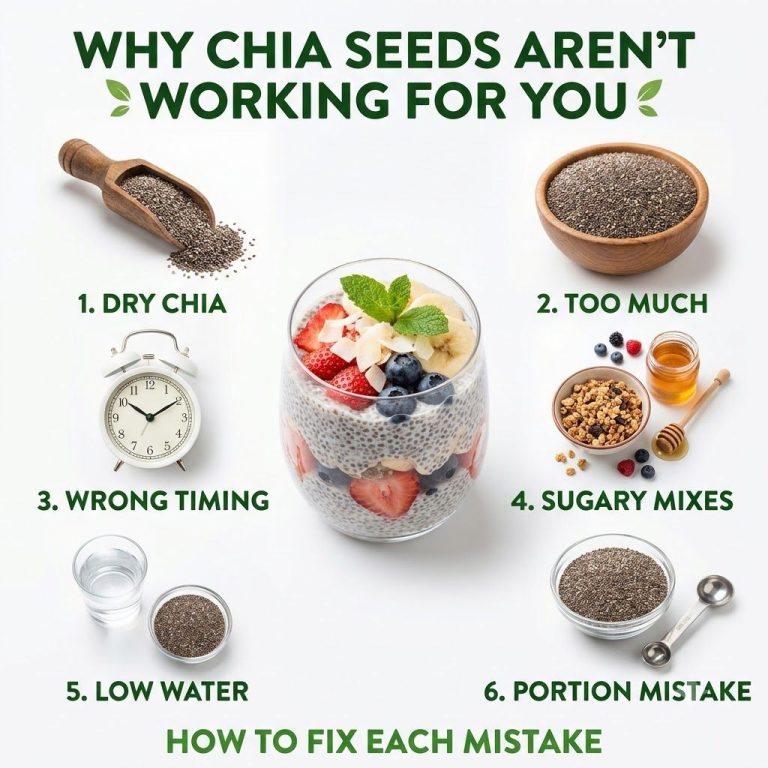
Eating Them Dry Without Enough Water
Sprinkling dry chia seeds over food and drinking only a small amount of water can lead to digestive discomfort. Because chia seeds absorb many times their weight in liquid, they can expand in your stomach if they are not properly hydrated first. The simple fix is to soak them before eating and to keep up your daily water intake.
-
Not Soaking Them Long Enough
A quick stir into a glass of water may not give the seeds enough time to form their gel. For a smooth, pudding-like texture and better digestibility, allow them to soak for at least 15 to 30 minutes, or overnight in the refrigerator for the best results.
-
Using the Wrong Liquid Ratio
Too little liquid makes a dry, clumpy mixture, while too much makes a watery drink. A popular starting point is about 1 tablespoon of chia seeds to 1/2 cup of liquid, and you can adjust from there to suit your preferred texture.
-
Skipping the Stir
Chia seeds tend to clump together when first added to liquid. Stirring well within the first few minutes and again after a short rest helps prevent lumps and ensures an even gel throughout the mixture.
-
Eating Large Amounts All at Once
More is not always better. Starting with one to two tablespoons per day and gradually increasing gives your digestive system time to adjust. Most adults can comfortably enjoy about one to two tablespoons daily as part of a balanced diet.
Simple Tweaks for Better Results
Making chia seeds work for you does not require complicated recipes. Try these easy habits:
- Prepare a batch of chia pudding in the evening so it is ready for breakfast.
- Pair chia seeds with fruit, leafy greens, or plain yogurt for extra vitamins and protein.
- Add chia seeds to oatmeal, smoothies, or overnight oats after they have soaked.
- Store pre-soaked chia pudding in airtight containers in the refrigerator for up to four days.
Who Should Be Mindful About Chia Seeds
Chia seeds are generally safe for most healthy adults, but people with swallowing difficulties, a history of digestive blockages, or those taking certain medications should speak with a healthcare professional before adding larger amounts to their diet. Drinking plenty of water throughout the day is always important when increasing fiber intake.
Final Thoughts
Chia seeds can be a valuable part of a healthy eating pattern when they are soaked, hydrated, and eaten in moderate portions. By avoiding these common preparation mistakes and applying a few simple habits, you can make the most of their fiber, healthy fats, and nutrients. Start small, stay consistent, and notice how your body responds over time.