Choosing the right foods can make weight loss feel much more manageable. Many people find that the biggest challenge is not willpower alone, but knowing which everyday foods will keep them full and which ones quietly add extra calories without much nourishment.
In this guide, you will learn which types of foods tend to support a healthy weight, which ones are worth limiting, and how to make simple swaps at home. Everything here is practical and easy to use in your weekly meals.
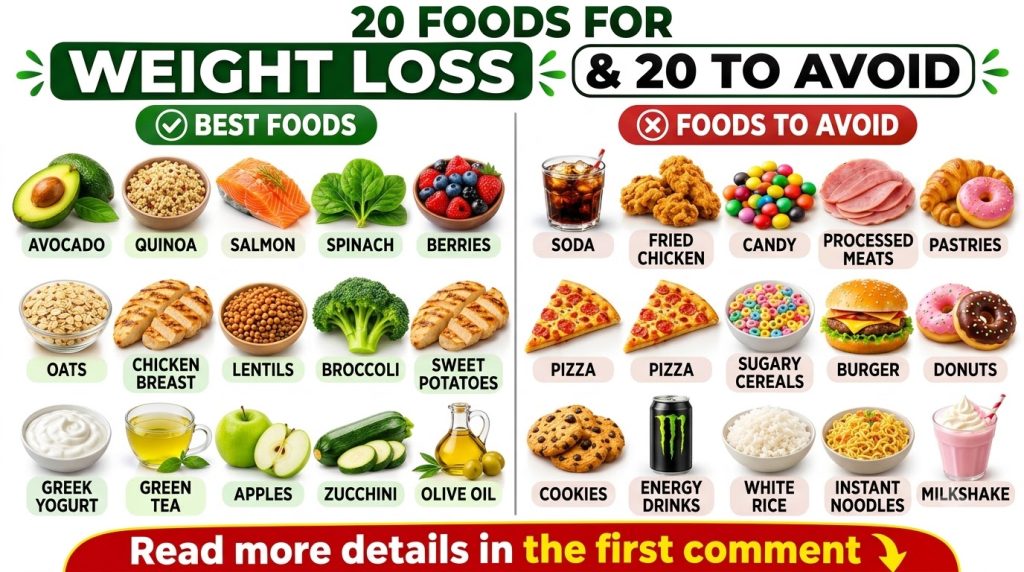
Foods That Can Support Weight Loss
Foods that are rich in fiber, protein, and water tend to help you feel satisfied for longer. Research links diets built around whole foods with better long-term weight management, though results vary from person to person.
Vegetables and Fruits
- Leafy greens such as spinach and kale
- Broccoli, cauliflower, and zucchini
- Berries, apples, and pears
- Cucumbers and tomatoes for crunch and volume
Protein-Rich Foods
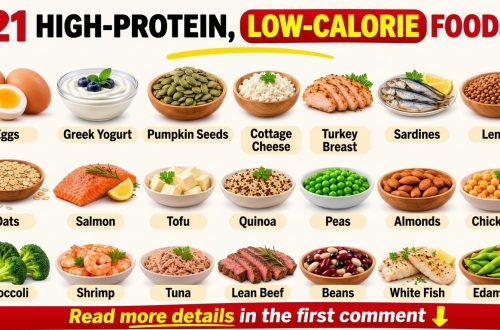
- Eggs, which make a filling breakfast
- Skinless chicken breast and turkey
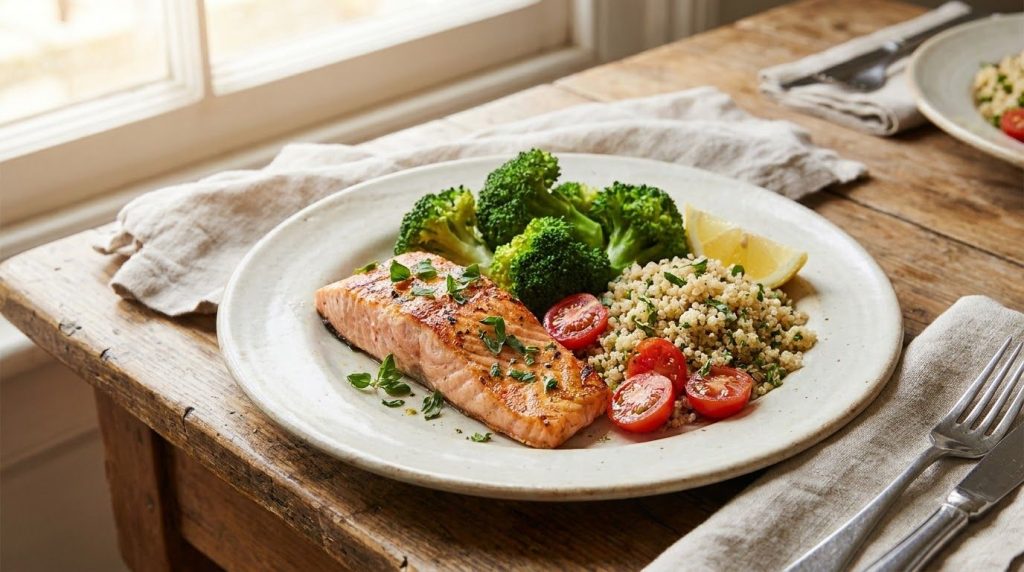
- Fish like salmon, cod, and sardines
- Lentils, chickpeas, and black beans
- Plain Greek yogurt and cottage cheese
Whole Grains and Healthy Fats
- Oats, quinoa, and brown rice
- Avocado in modest portions
- Nuts and seeds, such as almonds and chia seeds, eaten in small amounts
Foods to Limit or Avoid
Limiting these foods does not mean you can never enjoy them. The goal is to keep them occasional so they do not crowd out more filling choices.
Sugary Drinks and Sweets
- Soda and sweetened iced teas
- Energy drinks and sugary coffee drinks
- Candy, pastries, and frosted baked goods
Refined and Fried Foods
- White bread, white pasta, and refined crackers
- Deep-fried fast food and fried snacks
- Chips and heavily salted packaged snacks
Processed Meats and Heavy Additions
- Hot dogs, bacon, and deli meats eaten often
- Creamy sauces and dressings in large amounts
- Flavored yogurts with added sugar
Easy Swaps to Try This Week
Small changes add up over time. Try these simple swaps to make your meals more satisfying without feeling restricted.
| Instead of | Try | Why It Helps |
|---|---|---|
| Soda | Sparkling water with lemon | Cuts added sugar |
| White bread | Whole grain bread | Adds more fiber |
| Potato chips | Roasted chickpeas | Adds protein and crunch |
| Sugary cereal | Plain oatmeal with berries | Keeps you full longer |
| Creamy dressing | Olive oil and vinegar | Lower in added fats |
Practical Tips for Success
- Fill half your plate with vegetables at lunch and dinner.
- Keep fresh fruit and cut vegetables visible in the kitchen.
- Drink water before snacking, since thirst can feel like hunger.
- Plan two or three easy meals each week to avoid last-minute takeout.
- Read nutrition labels and watch for added sugars.
Frequently Asked Questions
Do I need to cut out all carbs to lose weight?
No. Whole grains, fruits, and legumes are carbohydrate sources that offer fiber and nutrients. Focus on choosing less refined options rather than removing carbs entirely.
Are healthy fats fattening?
Healthy fats like olive oil, nuts, and avocado are calorie-dense, so portion size matters. They can still fit well into a balanced eating pattern.
How much protein should I eat?
Protein needs vary by age, activity, and health status. A registered dietitian or healthcare professional can help you find the right amount for you.
Can I still eat my favorite treats?
Yes. Enjoying treats in moderation often makes healthy eating easier to stick with over the long term.
Do certain foods burn fat?
No single food burns fat on its own. Overall eating patterns, portion sizes, movement, and sleep all play a role in weight changes.
How quickly will I see results?
Gradual changes are generally more sustainable. Many people aim for slow, steady progress rather than rapid results.
Conclusion
Building meals around vegetables, fruits, lean proteins, and whole grains is a practical way to support weight loss. Limiting sugary drinks, refined snacks, and fried foods can make a meaningful difference over time. Start with one or two swaps this week, and explore more healthy eating ideas on our site.
This content is for educational purposes only and should not be considered medical advice. Consult a qualified healthcare professional for personalized dietary recommendations.