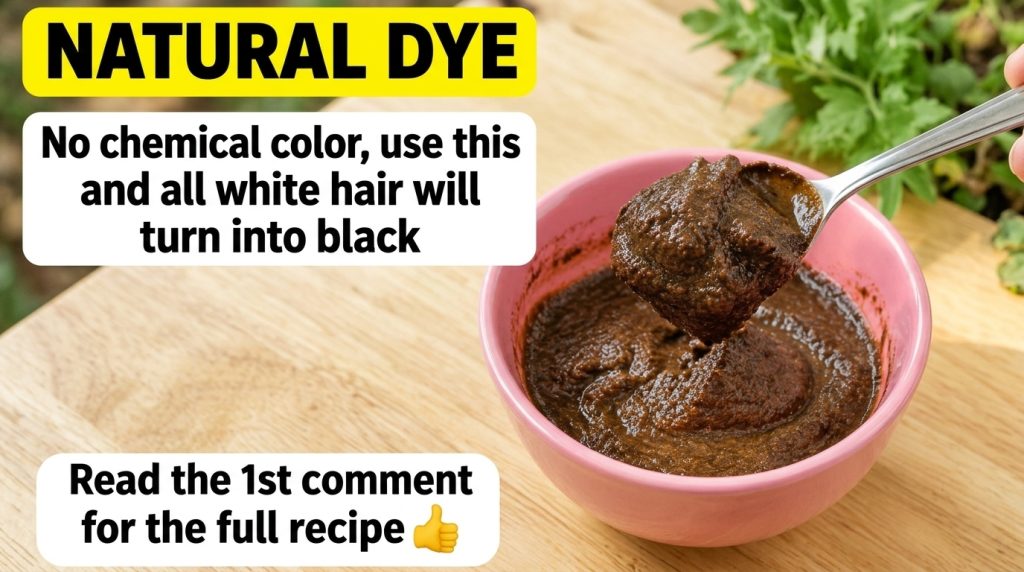
Many of us have wondered whether there is a gentler way to refresh our hair color without harsh chemicals. Homemade natural hair colors have been part of traditional beauty routines for generations, and they continue to attract people who prefer simple, plant-based ingredients. If you have spotted a dark, rich homemade paste making the rounds online, you are not alone in being curious.
What Is Natural Hair Color?
Natural hair color usually refers to products made from plant-based ingredients such as herbs, powders, and botanical extracts. Unlike many commercial dyes, these mixtures generally do not rely on the same synthetic developers. They can coat the hair shaft and create a softer, more gradual tone, though results vary a lot from person to person.
Why People Are Drawn to Homemade Options
There are a few common reasons people look for DIY hair color ideas:
- They want to avoid harsh chemicals and strong smells.
- They prefer ingredients they can recognize and pronounce.
- They enjoy budget-friendly, hands-on beauty projects.
- They want a gentle way to add shine and depth between salon visits.
Set Realistic Expectations
It is important to be honest with yourself before trying any natural remedy. Homemade pastes rarely work like professional dyes, and they cannot promise a guaranteed color change. Gray or white hair is often more resistant to natural ingredients, so the result may be a subtle tint rather than a dramatic transformation. Hair type, porosity, and the condition of your hair all play a role.
Simple Safety Tips Before You Try
Gentle beauty habits go a long way. Keep these tips in mind:
- Always do a patch test on a small area of skin, such as behind the ear or inside the elbow, and wait at least 48 hours.
- Stop using the mixture if you notice redness, itching, burning, or swelling.
- Use clean bowls, tools, and fresh ingredients to keep your mixture hygienic.
- Avoid leaving any paste on the scalp for longer than the instructions suggest.
- Check the ingredient list carefully if you have allergies or sensitivities.
Caring for Your Hair Between Treatments
Whatever color route you choose, healthy hair always looks its best. Support your locks with regular conditioning, gentle washing with lukewarm water, and a nourishing mask once a week. Protect your hair from heat styling and sun exposure, and trim split ends regularly to keep your color looking fresh.
The Bottom Line
Natural hair color can be an interesting, affordable way to explore a gentler side of beauty, especially if you enjoy DIY projects. Just go in with patience, a patch test, and realistic expectations. If you have concerns about your scalp, allergies, or hair health, it is always a good idea to speak with a dermatologist or hairstylist before trying a new routine.