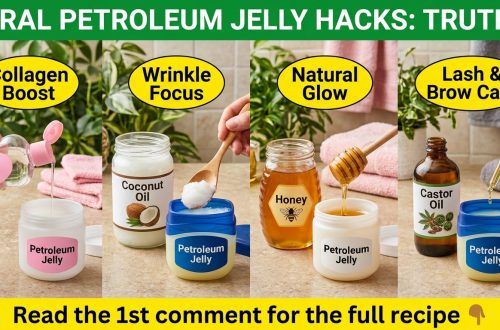
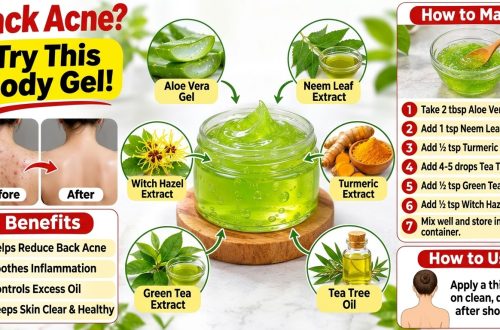
Many of us wake up hoping for skin that looks smooth, fresh, and glowing. The idea of ‘glass skin’ has become popular on social media, promising a dewy finish that seems almost too good to be true. The truth is that a simple night routine can help your skin feel comfortable and look hydrated, but no homemade product can work overnight to change your skin permanently.
In this guide, you will learn how to make a simple two-ingredient aloe vera night balm at home. It uses a small amount of petroleum jelly to help lock in moisture, and it is easy to prepare in about five minutes. You will also find clear instructions, safety tips, and storage advice so you can use it with confidence.
Recipe Overview
- Recipe name: Aloe Vera and Petroleum Jelly Night Balm
- Beauty category: Night skincare
- Suitable skin type: Normal to dry skin, or skin that feels tight at night. Not recommended for oily or acne-prone skin without a patch test and a doctor’s advice if needed.
- Preparation time: 5 minutes
- Application time: 1 minute
- Total time: About 6 minutes
- Difficulty level: Easy
- Yield: About 2 tablespoons, enough for 4 to 6 nights
- Recommended usage frequency: 2 to 3 nights per week at first, then up to nightly if your skin tolerates it well
- Storage recommendation: Make a small batch and store it in a clean, airtight container at cool room temperature, away from heat and sunlight
Why You’ll Love This Recipe
- It uses only two simple ingredients.
- It is quick to prepare with items you may already have.
- It is budget-friendly compared with many specialty night creams.
- It has a light, soothing texture that is easy to spread.
- It can be a comforting part of a gentle bedtime routine.
- It is simple to adjust by using less petroleum jelly if you prefer a lighter feel.
Complete Ingredients
- 1 tablespoon 100% pure aloe vera gel, preferably a product labeled with a short ingredient list and a preservative. Check that it is fragrance-free and free of alcohol and added colors.
- 1/4 teaspoon pure petroleum jelly, plain and fragrance-free
Substitution: If you prefer a plant-based option, you may use 1/4 teaspoon of fragrance-free jojoba oil instead of petroleum jelly. Jojoba feels lighter but may not be as occlusive, so the balm may feel less protective on very dry skin.
Equipment Needed
- Small clean bowl
- Clean measuring spoons
- Clean spatula or spoon
- Small airtight jar with a lid
- Clean fingertips or a clean applicator
Step-by-Step Preparation
- Wash your hands with mild soap and water and dry them completely.
- Wipe the bowl, spoon, and jar with a clean cloth. Let them air dry before use.
- Measure 1 tablespoon of aloe vera gel into the bowl.
- Measure 1/4 teaspoon of petroleum jelly and add it to the bowl.
- Stir gently for about 30 seconds until the mixture looks smooth and evenly blended. It will be soft and slightly glossy, not runny.
- If it feels too thick to spread, add a few drops more aloe gel. If it feels too thin, add a small amount more petroleum jelly, about 1/8 teaspoon at a time.
- Spoon the balm into the clean jar and seal it with the lid.
- Label the jar with the date you made it.
How to Apply the Night Balm
This balm is meant for the face and neck. Start with clean skin. Wash your face with a gentle, fragrance-free cleanser, pat it dry, and wait a few minutes until your skin no longer feels wet.
Take a pea-sized amount of the balm, about 1/4 teaspoon, and warm it between your fingertips. Gently press and smooth it over your face and neck in upward and outward strokes. Use light pressure and avoid tugging the skin.
Keep the balm away from your eyes, the inside of your nose, and your mouth. Do not apply it to cuts, scrapes, sunburn, or irritated areas. You may leave it on overnight, since it is a leave-on product, and rinse it off gently in the morning with lukewarm water and a mild cleanser if you prefer.
In the morning, follow with your usual moisturizer and sunscreen. Sunscreen is important during the day, because no night product can protect your skin from the sun.
Ingredient Benefits
Aloe vera gel: Aloe is well known for its soothing, water-rich texture. It can help skin feel cool, smooth, and comfortable. It is often used in lightweight moisturizers because it spreads easily and does not feel heavy.
Petroleum jelly: Petroleum jelly is an occlusive ingredient. This means it forms a thin barrier on the skin that helps reduce water loss. It is widely used to support dry skin and can help skin hold onto moisture from other products.
These ingredients work well together in a simple way. Aloe provides a light, hydrating feel, while the petroleum jelly helps keep that moisture in place. Keep in mind that this is a cosmetic routine, not a medical treatment, and results vary from person to person.
Recommended Frequency
Start with two or three nights a week. Watch how your skin responds over the next few days. If you notice no redness, stinging, or itching, you may increase to nightly use. If your skin feels greasy, clogged, or irritated, reduce how often you use it or stop completely.
Expert Beauty Tips
- Apply the balm to slightly damp skin for a softer, more comfortable feel.
- Use less than you think you need. A thin layer works better than a thick layer.
- Press gently instead of rubbing, which helps avoid irritation.
- Do not add exfoliants, acids, or essential oils to this recipe, as they can irritate the skin.
- Use a clean spoon every time you scoop from the jar to keep it free from germs.
- If your skin feels dry in the morning, try a slightly thinner layer rather than skipping the routine.
Safe Recipe Variations
- Lighter version: Use 1/8 teaspoon petroleum jelly with 1 tablespoon aloe gel. This creates a lighter feel for normal skin, but it may be less protective for very dry skin.
- Plant-based version: Replace petroleum jelly with 1/4 teaspoon fragrance-free jojoba oil. Patch test first, since oils can affect some people differently.
- Extra-soothing version: Use aloe gel alone as a light layer on clean, dry skin in the evening. This is gentler, though it provides less moisture-holding support.
Avoid adding lemon juice, baking soda, undiluted essential oils, vinegar, or harsh scrubs. These can irritate the skin and are not safe for regular facial use.
Storage and Shelf Life
This recipe contains aloe gel, which is water-based, so it is important to store it carefully. Make only a small batch, about 2 tablespoons, and keep it in a clean, airtight jar. Store it at cool room temperature, away from heat, sunlight, and bathroom humidity. Refrigeration may help keep the balm cool, but it does not make a homemade cosmetic sterile or safe for long-term storage.
Use the balm within 2 to 4 weeks. Discard it sooner if you notice a change in color, a sour or unusual smell, separation, mold, or a gritty texture. Never add water, fruit, or leftover products to the jar. Always scoop out the balm with a clean utensil and avoid dipping your fingers into the jar.
Safety Precautions
- Patch test first: Apply a small amount to the inside of your forearm or behind your ear and wait 24 to 48 hours. A patch test cannot predict every reaction, but it can help you spot obvious irritation.
- Check for allergies: Natural ingredients can cause allergic reactions. Stop using the balm if you notice itching, burning, swelling, rash, or hives.
- Avoid sensitive areas: Keep the balm away from your eyes and do not use it inside your nose or mouth.
- Skip broken skin: Do not apply the balm to open wounds, cuts, or areas with active breakouts.
- Stop if irritated: If redness, stinging, or discomfort occurs, rinse your face with lukewarm water and stop using the product.
- Seek professional help: If you have a persistent skin condition such as eczema, psoriasis, rosacea, or severe acne, talk with a dermatologist before trying new homemade products.
Common Mistakes to Avoid
- Using too much product: A thick layer can feel heavy and may clog pores for some people. Start with a pea-sized amount.
- Storing it for too long: Homemade products with water can spoil. Make a small batch and use it within a few weeks.
- Dipping fingers into the jar: This can introduce bacteria. Use a clean spoon instead.
- Expecting overnight changes: Skin care takes time. Consistent, gentle use over several weeks is more realistic than expecting dramatic results after one night.
- Adding irritating ingredients: Lemon, baking soda, and strong essential oils can cause burning or redness. Keep the recipe simple.
Frequently Asked Questions
Will this give me glass skin overnight?
No product can guarantee overnight changes. This balm may help your skin feel softer and more hydrated, but any glow comes from good hydration, sleep, and sun protection over time.
Is this suitable for sensitive skin?
It may be gentle for some people, but sensitive skin should always be patch tested first. Stop using it if irritation occurs.
How often can I use it?
Start two or three nights a week. Increase only if your skin feels comfortable.
Can I make a big batch to save time?
It is better to make a small batch. Because it contains aloe gel, it should be used within a few weeks.
Should I refrigerate leftovers?
Refrigeration can help keep the balm cool, but it does not make it last indefinitely. Discard the balm if it changes in smell, color, or texture.
Can I replace one of the ingredients?
You may replace petroleum jelly with a small amount of fragrance-free jojoba oil, but patch test first and expect a lighter texture.
Can this replace my regular skincare?
No. This balm can be a simple addition to your routine, but it does not replace cleansing, moisturizing, or daily sunscreen.
Conclusion
This simple aloe vera night balm is easy to prepare, budget-friendly, and comfortable to use. With just two ingredients, you can add a gentle, hydrating step to your evening routine and enjoy a softer-feeling complexion over time.
Keep your expectations realistic, patch test before you begin, and be consistent with gentle care. Your skin will thank you for the calm, steady attention, and you may enjoy a little bedtime self-care along the way.